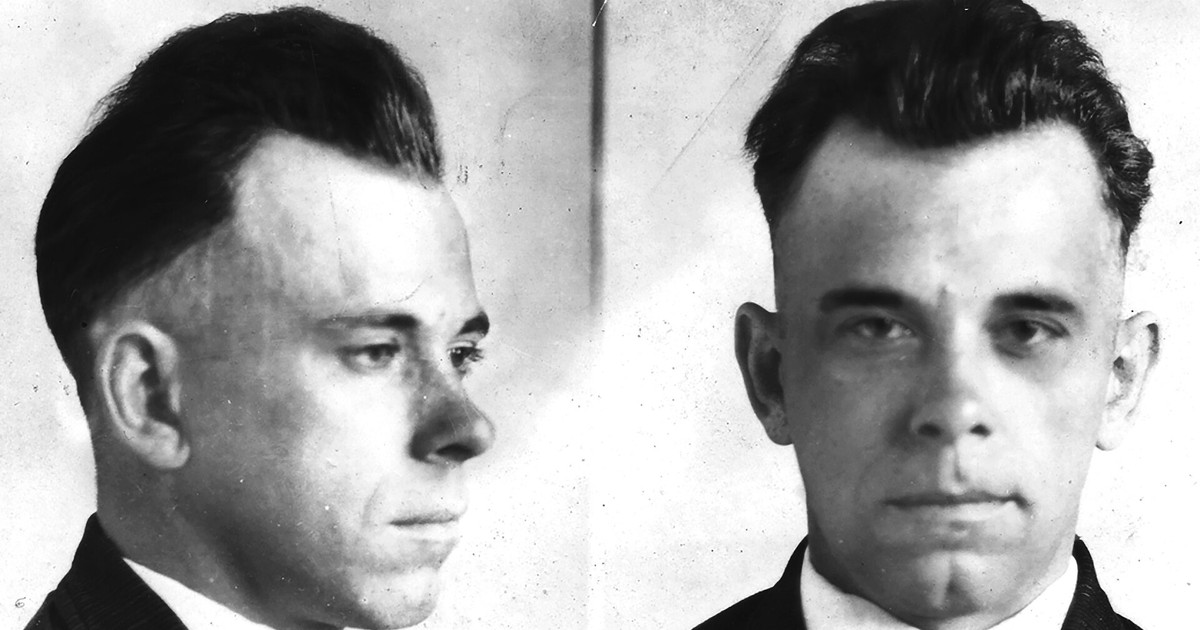
Top photo: Indiana State Penitentiary / Public domain, via Wikimedia Commons
During the Great Depression, many Americans had lost their savings when banks failed. So when a sharply dressed man began robbing those same banks, some people cheered him on in a way that seems hard to believe today. His name was John Dillinger, and his run lasted little more than a year.
Nine Years Behind Bars
John Herbert Dillinger was born on June 22, 1903, in Indianapolis, Indiana. As a young man he was arrested for car theft, then joined the U.S. Navy, deserted, and was dishonorably discharged.
His life turned on a grocery store robbery in Mooresville, Indiana. He was convicted and given a sentence of 10 to 20 years. He served about nine and a half years in the Indiana Reformatory and Indiana State Prison, and fellow inmates there taught him how to be a far more successful criminal.
He was paroled on May 10, 1933. Within six weeks, on June 21, he robbed his first bank, in New Carlisle, Ohio.
A Gang and a Rising Death Toll
Dillinger’s fame grew quickly, and so did the danger around him. In October 1933, while he was being held in jail in Lima, Ohio, his friends came to break him out. Sheriff Jess Sarber was shot and killed during the jailbreak.
In January 1934, Officer William O’Malley was killed during a bank robbery in East Chicago, Indiana. Dillinger was charged with the murder, but he was never convicted of it. The gang was accused of robbing 24 banks and four police stations.
The Great Escape at Crown Point
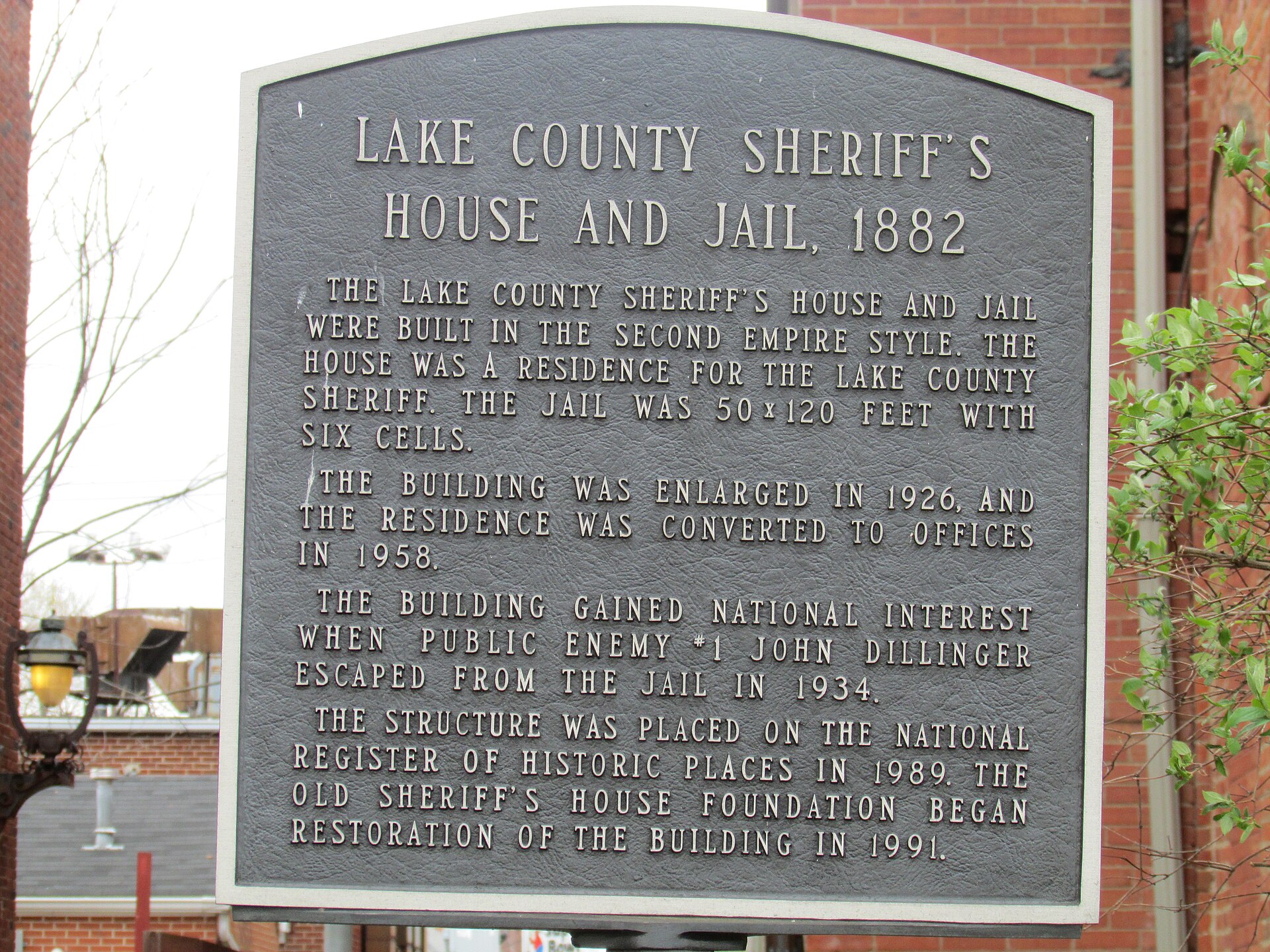
On January 25, 1934, Dillinger and his gang were captured in Tucson, Arizona. He was sent to the Lake County jail at Crown Point, Indiana, to await trial.
On March 3, he walked out, producing a pistol during morning exercises. To this day, people argue about that pistol. FBI files said it was carved from wood. A deputy who was there insisted it was real. Either way, the escape made him a legend.
Little Bohemia
In April 1934, the Bureau got a tip that Dillinger was at the Little Bohemia Lodge in northern Wisconsin. Agents moved in on April 22. It was a disaster. Dillinger slipped out of the back of the building during the gunfight, Agent W. Carter Baum was shot and killed by Dillinger’s associate Baby Face Nelson, and a lodge customer, Eugene Boisneau, was killed when agents opened fire on a car.
Dillinger then went into hiding in Chicago. In late May and early June he had plastic surgery, in an attempt to change his face.
The Woman Who Wore Orange
The end came through a friend. Ana Cumpănaș was a Romanian immigrant facing deportation. On July 21, 1934, she contacted the Bureau and offered information on Dillinger in exchange for help with her case. She told agents she would be going to the movies with him, and she agreed to wear an orange dress so that they could pick her out. The newspapers would later call her the “Woman in Red.”
July 22, 1934
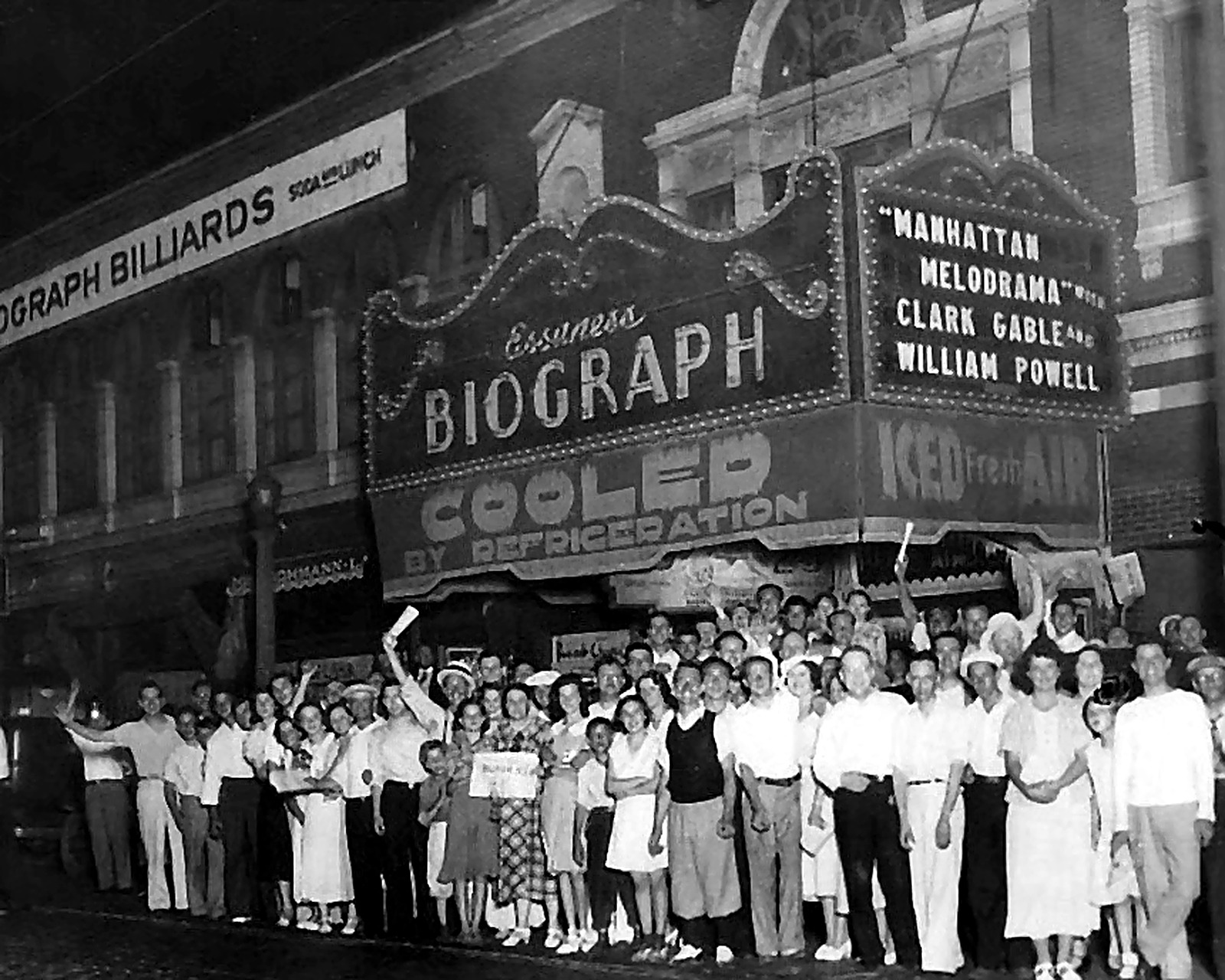
That night in Chicago, Dillinger went to the Biograph Theater with Cumpănaș and his girlfriend, Polly Hamilton, to see Manhattan Melodrama, a crime drama starring Clark Gable.
Agents waited outside, led by Melvin Purvis. When the film ended, Purvis gave the signal by lighting a cigar. Dillinger seemed to notice what was happening and moved toward an alley. Agents opened fire, and he was shot dead at about 10:40 p.m. He was 31 years old. People still disagree about whether he reached for his gun.
What Came After
Ana Cumpănaș did not get what she had hoped for. She was deported anyway. Dillinger was buried at Crown Hill Cemetery in Indianapolis, where his gravestone has had to be replaced several times because souvenir hunters kept chipping pieces away.
The newspapers turned him into a kind of Robin Hood, but that picture leaves out a lot. Sheriff Sarber, Officer O’Malley and Agent Baum all had families who were left to grieve.
Did your parents or grandparents ever talk about John Dillinger? Do you think that pistol at Crown Point was real or wooden? Tell us in the comments.