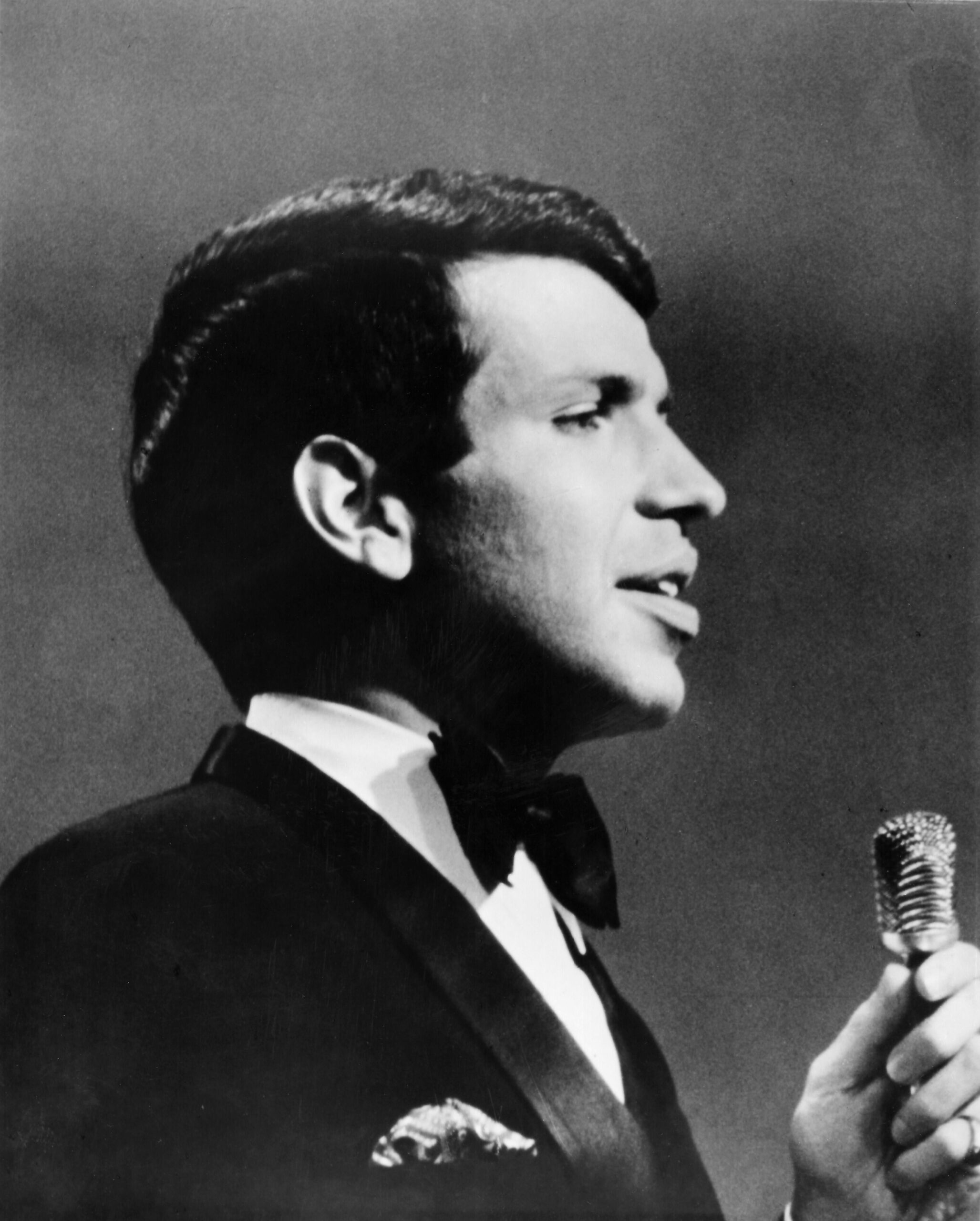
Frank Sinatra Jr. performing in the 1972 television special Once Upon A Tour, nine years after the kidnapping. Photo by Solo Cup Productions, via Wikimedia Commons. Public domain in the United States.
Frank Sinatra could command a stage, fill a room and make his voice recognized almost anywhere. In December 1963, his son’s safety depended on a different kind of voice: someone on the telephone telling him how much money to provide and where it should be left.
Frank Sinatra Jr. was 19 when he was kidnapped from a Lake Tahoe hotel. His father paid a $240,000 ransom, and the young singer came home alive. The case then took another painful turn when the defense claimed that the victim had helped arrange his own kidnapping. HISTORY’s account
A Knock at the Door in Lake Tahoe
On December 8, 1963, Sinatra Jr. was performing at Harrah’s Club Lodge. Barry Keenan and Joe Amsler had been following him, hoping to take him and demand money from his father.
That evening, Keenan approached the room where the singer was with a friend, pretending to have a delivery. The two men restrained the friend, blindfolded Sinatra Jr. and took him to a waiting car. His friend freed himself and raised the alarm. FBI case history
The circumstances are unsettling in their simplicity. A young performer was between appearances in a place where he should have been able to rest. The threat arrived at his door, and the presence of another person did not prevent the abduction.
The Ransom and the Third Man
The kidnappers took Sinatra Jr. to a house in Canoga Park, in the Los Angeles area. A third man, John Irwin, became involved in communicating with the family. The ransom demand was $240,000.
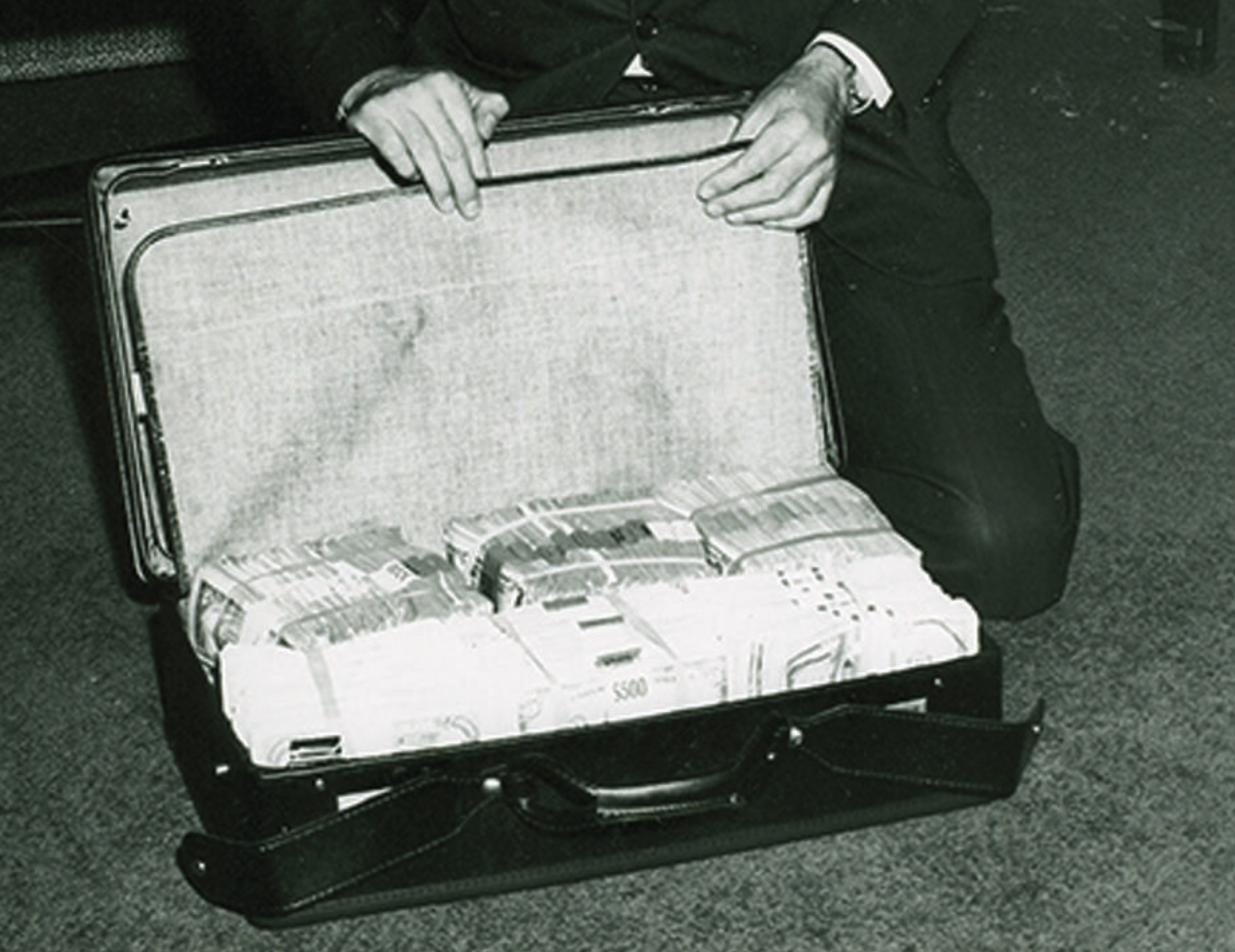
The FBI photographed the money before the drop. In the early hours of December 11, the cash was delivered between two school buses in Sepulveda, California. While Keenan and Amsler collected it, Irwin became nervous and released their captive. FBI
The money was supposed to buy the son’s return. For investigators, it also offered a trail to follow. This was a ransom large enough to change several lives, but it was being collected by men whose partnership was already beginning to come apart.
Getting Home Without a Public Scene
Sinatra Jr. reached safety in the Bel Air area of Los Angeles. He was brought home in the trunk of a car to avoid drawing a crowd of reporters. It is one of the case’s stranger details: even the return of a kidnapping victim had to account for the attention attached to the Sinatra name. HISTORY
The immediate priority had been achieved. He was alive and out of his captors’ control. The next task was to identify the men involved and establish what had happened during the days he was missing.
A Confession That Broke the Case Open
On December 13, Irwin told his brother about his involvement and said he wanted to surrender. His brother called the FBI. Irwin joined the call, acknowledged his role and disclosed that some ransom money was in his car.
The details appear in a later federal appellate opinion, which examines the arrests and questioning of Irwin and Amsler. A private admission inside one family had given investigators a direct route into the kidnapping group. Amsler v. United States, 1967
For the Sinatra family, the rescue and the arrests might have seemed to offer a clear ending. The courtroom would prove more complicated, particularly for the young man whose disappearance had started the investigation.
The Publicity-Stunt Allegation
At trial, the defense advanced the claim that Sinatra Jr. had willingly taken part in a publicity scheme. That allegation should be identified as a defense argument. The FBI’s account says its evidence contradicted it, including a confession letter Keenan had left in a safe-deposit box.
The three men were convicted in connection with the case in 1964. Sinatra Jr. nevertheless had to live with the suggestion that the ordeal had been arranged. HISTORY notes that the rumor continued after the verdicts. FBI · HISTORY
The accusation gave an already well-known crime another story to circulate. It also risked obscuring the basic fact that a 19-year-old had been taken away, blindfolded and held while money was demanded for his release.
The Verdicts Were Not the Last Legal Chapter
In 1967, the Ninth Circuit reversed the convictions of Amsler and Irwin and ordered a new trial. The opinion identified procedural errors, including failures to provide protections required for a case treated as a capital prosecution. It did not rule that Sinatra Jr. had staged the kidnapping. Federal appellate opinion
That distinction matters when retelling the case. The kidnapping, the defense’s allegation and the later reversal are different parts of the record. Each deserves to be described accurately.
The strongest ending remains the young singer’s return to his family. The famous surname made the case national news, but the fear behind the ransom calls was something any parent could understand. Do you remember hearing about Sinatra Jr.’s kidnapping, or did you first learn of it years later?