Top photo: Unknown authorUnknown author or not provided / Public domain, via Wikimedia Commons
Remember when your dad decided the family wagon wasn’t complete until he drilled a bracket directly into the lower dash? Suddenly, nestled right next to the cigarette lighter, sat a shiny metal box with a coiled cord, a selector knob, and a microphone swinging from a clip. You climbed into the passenger seat, looked at that glowing dial, and realized your mild-mannered father was about to transform into an outlaw trucker.
Long before everyone stared down into glowing glass smartphones, we had the Citizens Band radio. In the mid-to-late 1970s, you couldn’t drive five miles without spotting a massive steel whip antenna swaying off a rear bumper. For a few glorious years, ordinary suburban motorists, plumbers, and weekend campers were convinced they were starring in their very own cross-country chase scene.
From Flying Model Airplanes to Country Chart Toppers
The Citizens Band didn’t start out as a playground for lead-footed drivers. The Federal Communications Commission actually started personal radio services back in 1945 to allow everyday citizens a frequency band for personal communication, like family chats, business runs, and controlling model airplanes. By September 11, 1958, the FCC created the Class D service on the 27 MHz band, which became the 23-channel playground we remember.
Back then, the gear was mostly used by electricians, carpenters, farmers, and long-haul truckers. But by the late 1960s, solid-state electronics arrived. Suddenly, the units shrank in size, shed pounds, and dropped in price. What had once belonged strictly to radio hobbyists and guys hauling freight landed squarely within reach of the everyday driver.
The 55 MPH Limit That Sparked a National Craze
The real explosion happened after the 1973 oil crisis. The government slapped a nationwide 55 mph speed limit onto the highways, accompanied by fuel shortages and gas lines. For independent truckers paid by the mile, that slower limit ate straight into their paychecks.
Truckers picked up their microphones to warn each other about speed traps, hunt down service stations that actually had fuel, and organize blockades and convoys during a 1974 protest strike. Watching from the sidelines, everyday motorists thought, “I need one of those.” If the truckers could dodge speed traps and navigate fuel shortages, so could a guy commuting thirty minutes in an Oldsmobile.
Hollywood and Nashville took the hint and poured gasoline on the fire. In 1975, C. W. McCall released the novelty song “Convoy,” which hit Number 1 on the Billboard Hot 100 in January 1976. That song inspired a 1978 movie directed by Sam Peckinpah. Soon came movies like Smokey and the Bandit (1977), Breaker! Breaker! (1977), and Citizens Band (also known as Handle with Care). Even Saturday mornings weren’t safe—the cartoon CB Bears arrived in 1977, followed by Bo and Luke Duke tearing up back roads with their radio gear in The Dukes of Hazzard by 1979.
Handles, Bug-Eyed Cartoons, and the First Lady
Originally, the FCC wanted you to hold a legitimate license and use an official callsign. That license cost $20 in the early 1970s, though the fee dropped to $4 in March 1975. But when millions of folks rushed in, almost everyone skipped the paperwork and simply made up a “handle.” By April 28, 1983, the FCC officially threw in the towel on individual licensing entirely.
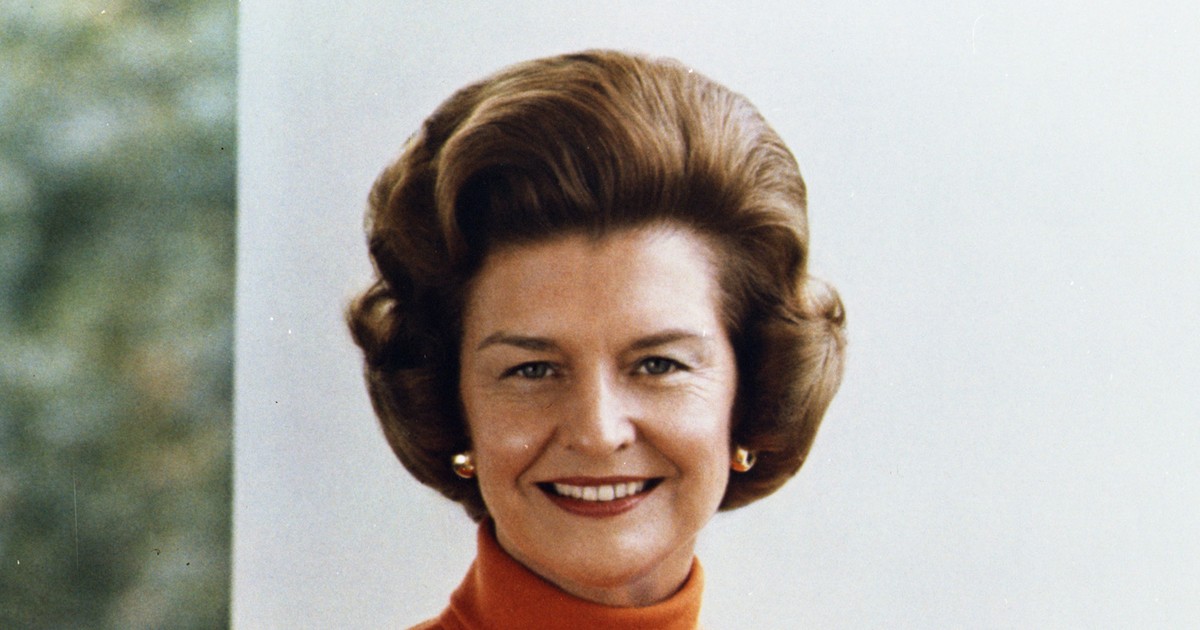
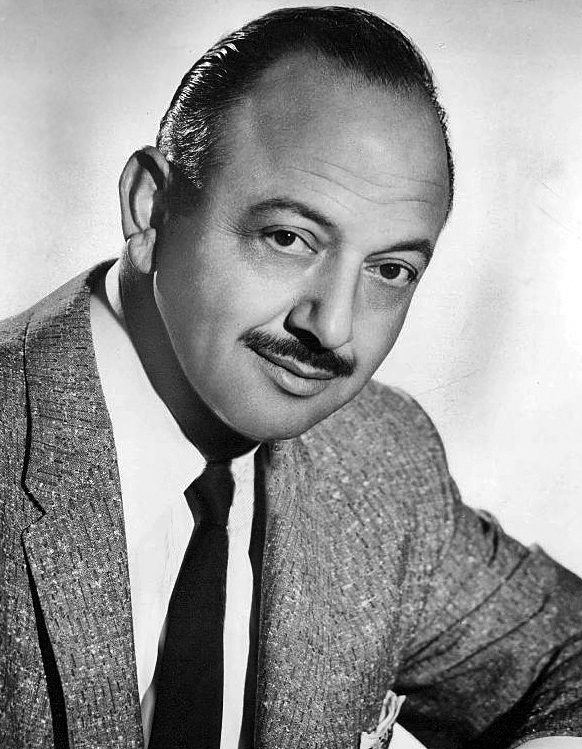
Everybody had an on-air persona, and we mean everybody. First Lady Betty Ford famously hopped on the airwaves using the handle “First Mama.” Meanwhile, legendary cartoon voice actor Mel Blanc took to the Los Angeles airwaves under handles like “Bugs” or “Daffy,” delightfully bantering with local kids using his famous character voices. Decades before internet chat rooms let people disguise themselves behind usernames, people were testing out funny alter egos through a plastic hand mic.
Cracking the Secret Channel Code
Of course, you had to learn the layout of the dial. Radio Shack sold base stations loaded with crystals for each of the 23 channels, complete with two extra slots where you could plug in crystals for the in-between frequencies known as 22A and 22B. When the official 40-channel expansion rolled out in 1977, the airwaves became even wilder.
The rules of the road were clear, even if learned through trial and error:
- Channel 9: Strictly off-limits for casual chatting. The FCC reserved this one in 1969 specifically for emergencies and roadside assistance.
- Channel 11: Originally set aside as the official calling channel, though folks frequently bypassed it for their own town’s favorite spot.
- Channel 19: The holy grail. While Channel 10 was once favored east of the Mississippi and 19 to the west, Channel 19 eventually took the crown nationwide. It avoided bleed-over interference with Channel 9 and became known universally as the trucker’s channel.
- Channels 36 to 40: The gentlemen’s territory for Single Sideband (SSB) operators, where higher 12-watt power was allowed compared to standard 4-watt AM rigs.
You also had to master the secret vocabulary. Ten-codes borrowed from emergency services flew left and right, paired with colorful slang. If you didn’t know your 10-4 from your ten-twenty, you were just another rookie clogging up the frequency.
Static, Crowds, and What Came Next
So, what happened to the great highway chatterbox? In a way, CB radio became a victim of its own success. With millions of Americans transmitting simultaneously across just 40 channels, the airwaves transformed into a screeching wall of static, stepped-on voices, and illegal amplifiers boosting signals far past the legal 4-watt output.
The natural 11-year sunspot cycle played tricks on shortwave propagation too, bouncing distant voices thousands of miles into your local chat. Tow-truck drivers, plumbers, and tradesmen slowly migrated off the noisy frequencies toward licensed business bands on VHF and UHF. Later, family radios, internet forums, and the almighty mobile phone delivered the instant, private communication we take for granted today.
Yet, the faithful microphone never truly went silent. Long-haul truckers still monitor Channel 19 for accident reports, construction backups, and speed traps. In recent years, manufacturers have reported higher sales for compact rigs with modern features, and curious hobbyists have pushed CB content onto social media platforms like YouTube, proving that a solid radio signal never goes out of style.
There was simply nothing quite like keying that push-to-talk mic, clearing your throat, and casting a voice out into the night to see who answered back. Did your family mount a radio under the dash back in the day? What was your official handle, and who was in your convoy? Drop your memories in the comments below!