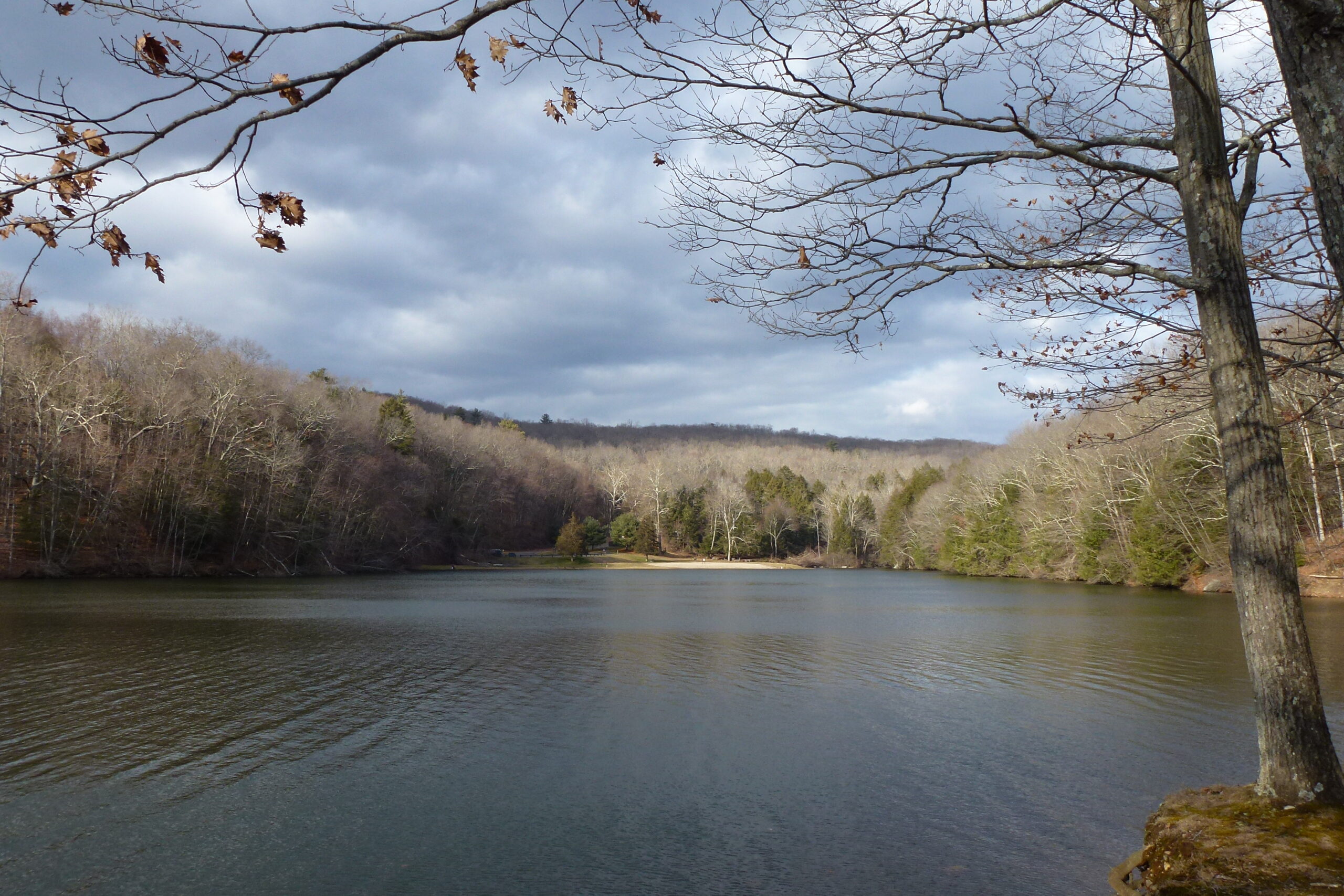
Lake Zoar, photographed from Kettletown State Park in 2012. Investigators searched the Lake Zoar area in the Crafts case. Jllm06 via Wikimedia Commons, CC BY-SA 4.0.
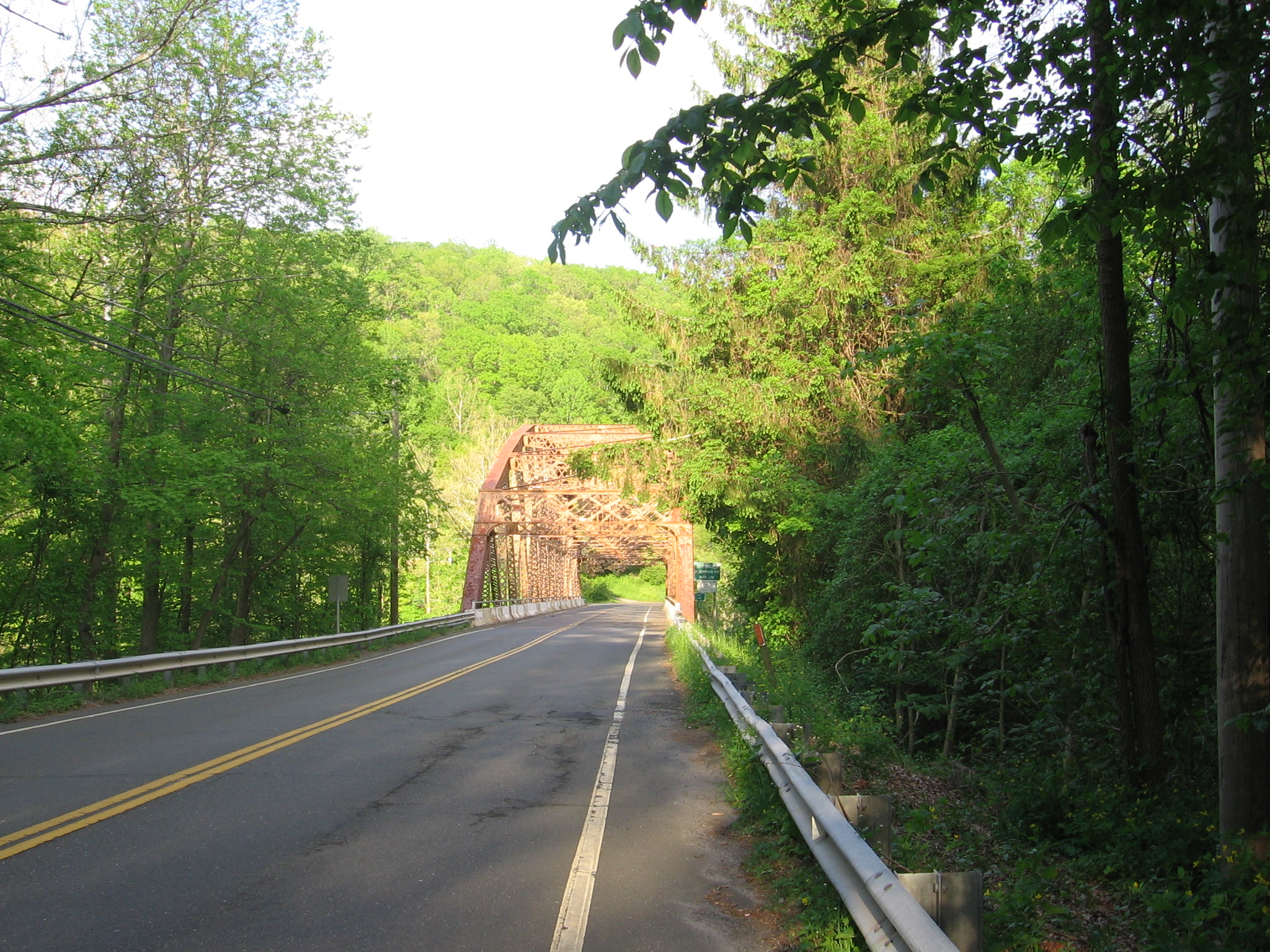
In a pile of wood chips near a steel bridge in Newtown, Connecticut, investigators found an envelope with Helle Crafts’s name on it. It was one of the first things they could connect to the missing flight attendant. As they sifted through more debris, they found dental evidence that could be checked against her records. Connecticut Supreme Court opinion in State v. Crafts · UPI’s coverage of the dental testimony
Helle disappeared after a coworker drove her home
Helle was a Pan Am flight attendant and a mother of three. On November 18, 1986, a coworker dropped her off at home. It was the last confirmed sighting of her. The next morning, her husband, Richard Crafts, took the children and the family’s live-in helper to his sister’s house after a snowstorm. Helle wasn’t there. Connecticut Supreme Court opinion · UPI’s 1987 reporting
Helle had been planning a divorce and intended to seek custody of the children, according to evidence later described by the Connecticut Supreme Court. Richard gave different explanations for her absence. He told friends she had gone to Denmark to see her mother. In a police interview, he suggested she might be visiting a friend in the Canary Islands. Those accounts gave investigators claims they could check. Connecticut Supreme Court opinion
The rental truck by the bridge
Richard had arranged to rent a woodchipper before Helle disappeared. He picked it up on November 20, using a rental truck to tow it, and returned both the next day. Witnesses reported seeing the equipment near a steel bridge. A coworker who spoke to Richard in a Southbury school parking lot said Richard claimed he was clearing branches brought down by the storm. The prosecution presented evidence that the storm had left no branches for him to clear. Connecticut Supreme Court opinion
What investigators could trace back to Helle
Police searched the wood-chip piles and recovered small human remains, including dental material. At trial, forensic dentist Constantine Karazulas identified a tooth fragment and a gold crown as Helle’s. Police also recovered a chainsaw belonging to Richard from the water near the bridge. The court described similarities between traces on the equipment and material recovered by the river. The dental identification tied part of the debris to Helle herself. UPI’s courtroom report · Connecticut Supreme Court opinion
Why it took two trials
The first jury couldn’t agree on a verdict. At a second trial in 1989, a jury convicted Richard Crafts of murder. He received a 50-year sentence. On appeal, he challenged whether the largely circumstantial evidence could support the verdict. The Connecticut Supreme Court upheld the conviction in 1993, assessing how the rental records, witness accounts, physical evidence and contradictory statements fit together. Connecticut Supreme Court opinion