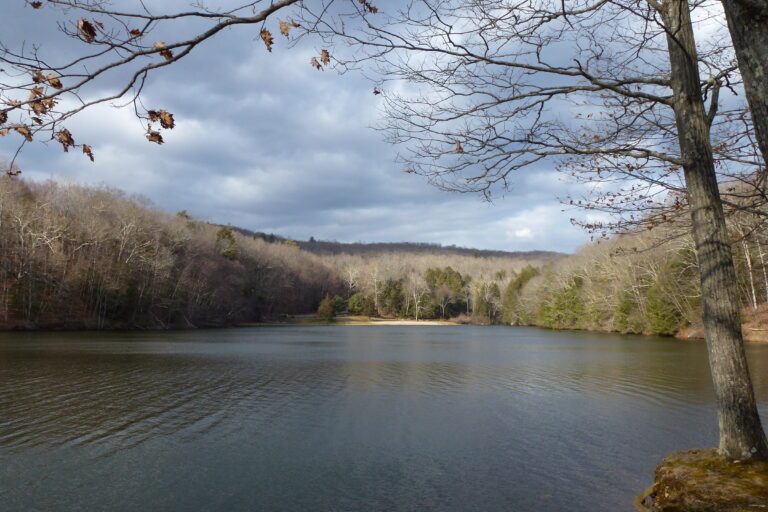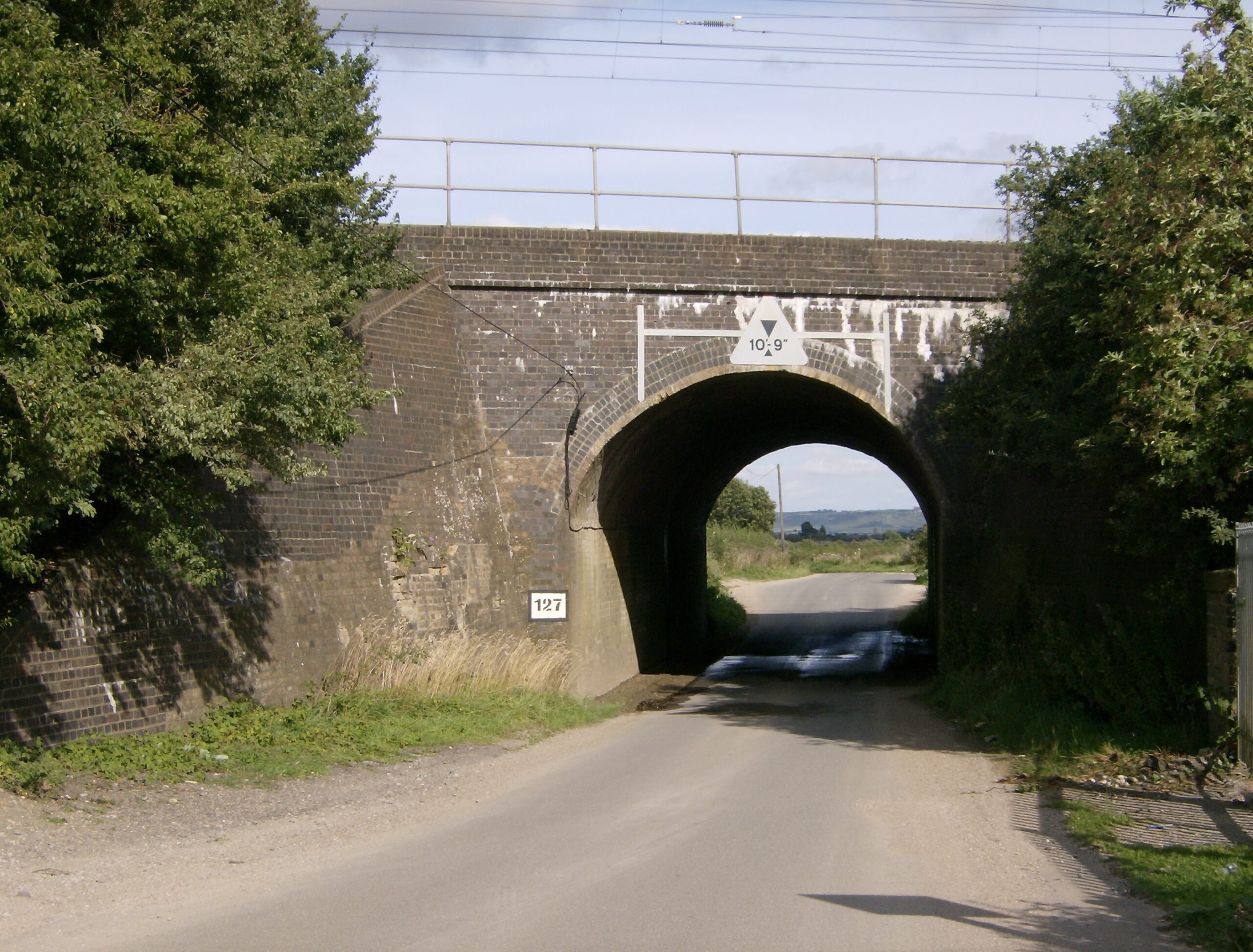
Bridego Bridge, where the gang unloaded the mail sacks. 2009 photo by Sealman, CC BY-SA 3.0.
By the time police searched Leatherslade Farm, the men who had been staying there were gone. They had left empty mail sacks and banknote wrappers behind. There was also a Monopoly board and a bottle of ketchup. Both would matter to the detectives trying to work out who had robbed a Royal Mail train.
Days earlier, in the early hours of August 8, 1963, a gang had taken about £2.6 million from the Glasgow-to-London night mail. The haul made headlines. The things the gang left at the farmhouse helped investigators put names to the robbery.
A red light at Sears Crossing
It was around 3 a.m. when driver Jack Mills saw a red signal near Leighton Buzzard in Buckinghamshire and brought the train to a stop. His colleague David Whitby went to the railway telephone and found that the line had been cut. The gang had tampered with the signal to stop the train.
The men attacked Mills and Whitby. Mills suffered a serious head injury. The gang had brought someone to move the locomotive, but he could not handle that particular engine. They forced Mills to drive it a short distance to Bridego Bridge after separating the first two carriages from the rest of the train.
At the bridge, the gang passed sacks of cash from the train to waiting vehicles. The Post Office then had to work out how much had actually been taken. Investigators counted the high-value packets that had been sent and checked what remained. According to The Postal Museum, 636 packets were missing from 120 sacks.
The farm that drew a neighbour’s attention
The robbers took the money to Leatherslade Farm. One of their neighbours, a farm worker named John Maris, had already noticed unusual activity at the property. The windows were blacked out, and after the robbery he saw vehicles in the yard, including a lorry. He reported his suspicions to police and called again before officers went to investigate.
Inside the farmhouse, officers found bank wrapping marked with the name of a bank that had sent money on the train. Outside, there were more empty mail bags. That evidence tied the farmhouse to the stolen cargo. Investigators still had to establish who had been there.
What the fingerprints could show
British Transport Police recounts that the gang played Monopoly with real banknotes at the hideout. When investigators examined the items left behind, they found fingerprints on the board and on a ketchup bottle. Those prints, alongside other inquiries, helped link suspects to the farm. The National Archives identifies the forensic evidence from the hideout as part of the case that helped convict Ronnie Biggs.
Biggs received a 30-year sentence and later escaped from Wandsworth prison. Bruce Reynolds, identified by police and the Post Office as the gang’s leader, took five years to track down. The investigation continued long after officers first walked into the empty farmhouse.
Maris later put in a claim for the Post Office’s £10,000 reward. Among the details he’d reported was a lorry in the yard of a neighbouring farm.
Sources
- British Transport Police history of the robbery
- The Postal Museum’s account of the theft and investigation
- The National Archives on the fingerprint evidence
- The Postal Museum on the Post Office Investigation Branch