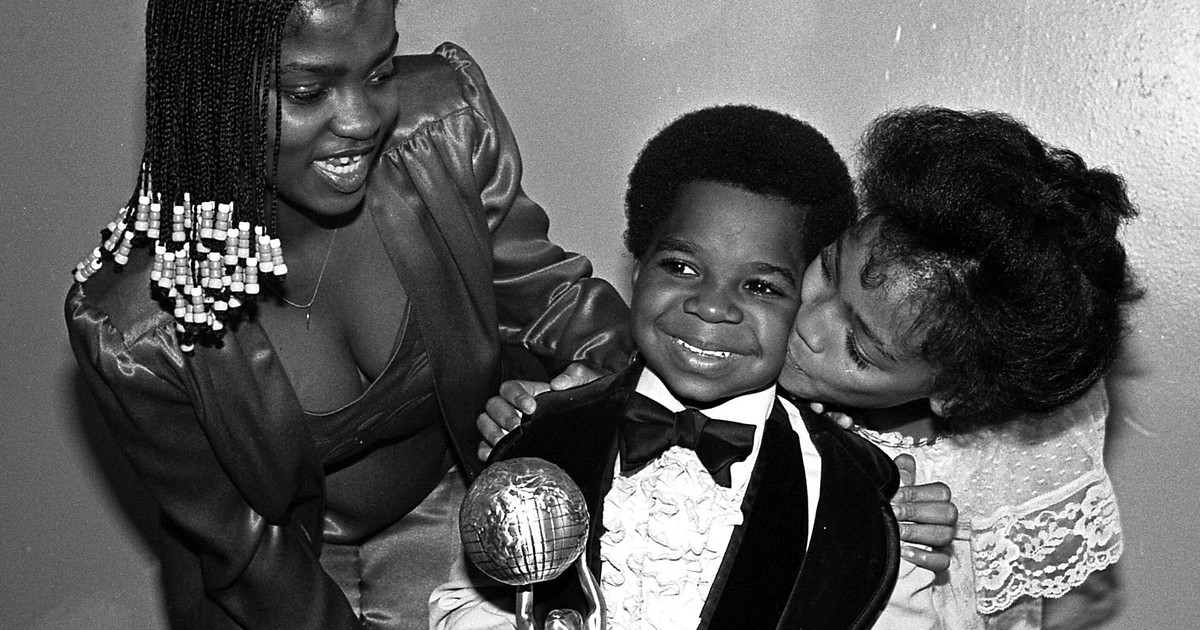
Top photo: Marianna Diamos, Los Angeles Times / CC BY 4.0, via Wikimedia Commons
If you were near a television on a Friday night in the late 1970s, you knew the sound: that bouncing theme song, and then a kid in a sweater vest giving his older brother a look. Diff’rent Strokes ran on NBC from November 3, 1978, to May 4, 1985, then jumped to ABC from September 27, 1985, to March 7, 1986 — eight seasons of a Park Avenue penthouse, a patient businessman, and two boys from Harlem finding their footing. You probably know the catchphrase by heart. What you may not know is how strange and bumpy the road to that penthouse really was.
It Started as a Pairing, Not a Premise
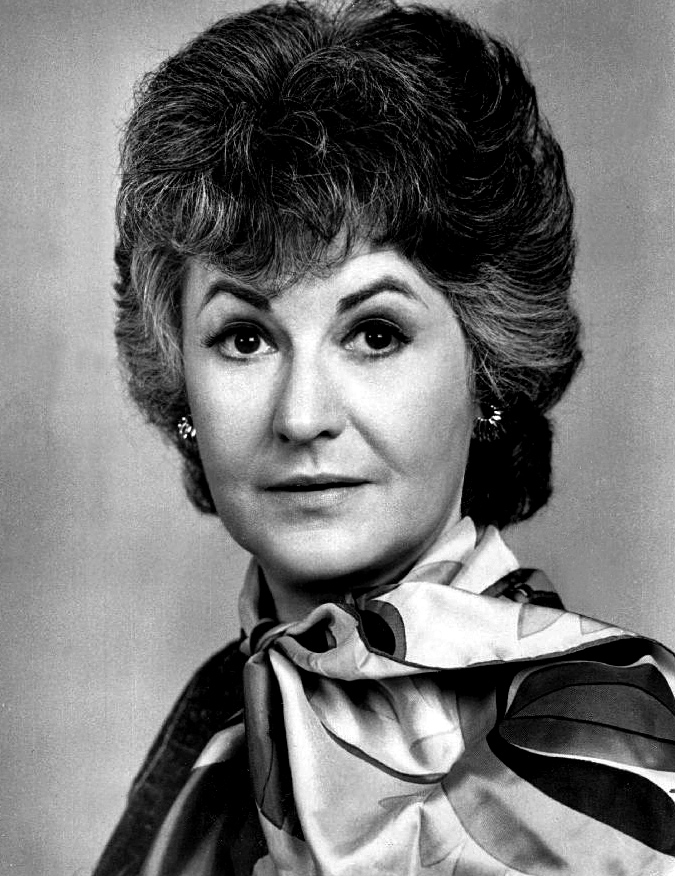
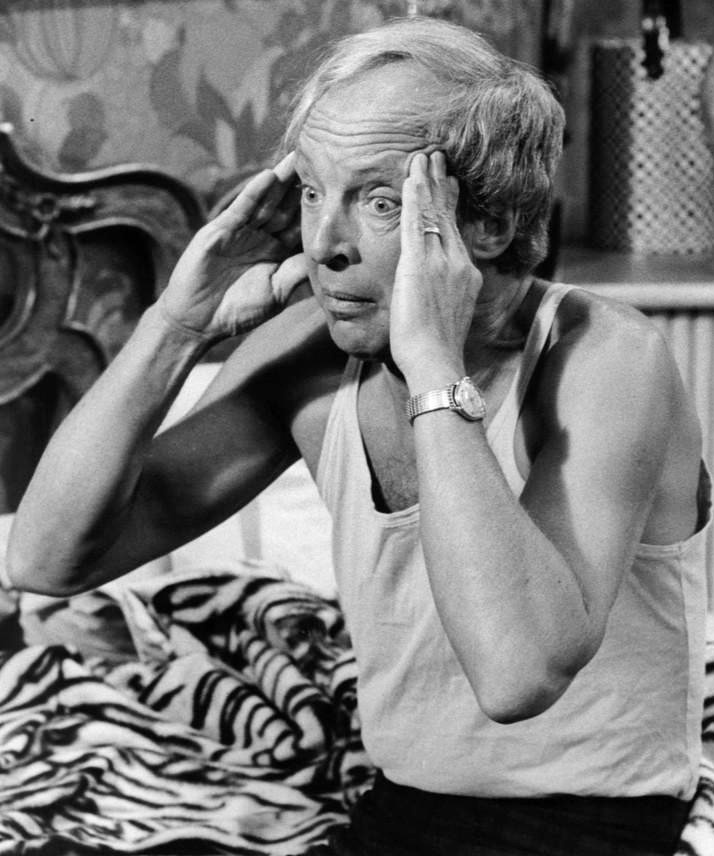
The show wasn’t dreamed up around a story. It was dreamed up around two actors. Conrad Bain had just wrapped a six-year run as Dr. Arthur Harmon on Maude, which ended production after star Beatrice Arthur decided to leave in spring 1978. Producer Norman Lear wanted something new for Bain. At the same time, ten-year-old Gary Coleman had been turning heads in commercials and guest roles, and had spent the previous year starring in three Lear pilots that tried to revive the Little Rascals film series of the 1920s through 1940s. Those pilots didn’t sell, though some markets later saw them stitched into a television film. Lear saw something big in the kid, and somebody decided that pairing him with Bain — unusual on paper — might just work.
The Show That Almost Was a Detective Series
Producers kicked around a startling number of formats, and Bain had real input into which directions they explored. One idea cast him as a gumshoe with Coleman as a young associate and informant. The fictional detective Bulldog Drummond inspired that character — and even after the detective concept died, the name stuck. That’s where “Drummond” came from.
Another version had Bain as a hard-nosed wealthy estate developer who could only buy a lucrative Harlem housing block for redevelopment if he also took custody of the orphan boy living there. That one was scrapped for the warmer setup we know. And the working title? 45 Minutes from Harlem — which is funny, because Harlem is only ten to fifteen minutes from the Upper East Side by subway or taxi. The title was already exaggerating before the cameras rolled.
A Pitch Meeting and a Very Fast Yes
The pitch went to NBC on May 9, 1978, and the network ordered an optional 26 episodes almost immediately. NBC’s one big note shaped the family: give Arnold an older brother, partly so Coleman would have a second, slightly older child to play against. Producers knew exactly who they wanted. Todd Bridges had done commercials and guest roles, and they’d been impressed by his work on the sitcom Fish, which had also been cancelled in 1978. He was offered the part without an audition.
Dana Plato’s path was odder. Producer Al Burton spotted her as part of a cheerleading team auditioning on The Gong Show and felt she had a spark, so he recommended her for Kimberly. Charlotte Rae, meanwhile, was offered the housekeeper role without an audition too — except she was locked into a CBS contract. Lear wanted her badly enough that he used his influence to get CBS to release her.
The Title Came From a Boxer
“Different strokes for different folks” was a phrase popularized by Muhammad Ali in 1966, and it gave the series its name. Ali himself turned up as a guest star in the second season, which is a nice little closed loop most viewers never noticed.
Kimberly Was Nearly Written Out
Here’s one that surprises people. Plato was billed in the opening credits of the first season but only appeared semi-regularly. On screen, Kimberly was often said to be away at her private school. Off screen, producers were still deciding whether the character was extraneous — and they kept the option of fading her out entirely. Audiences liked her, though, and producers came to feel she gave young girls and women someone to identify with. So she became a regular.
Mrs. Garrett Left Twice, Sort Of
The final episode of the first season, “The Girls’ School” (also called “Garrett’s Girls”), sent Mrs. Garrett to the fictional Eastland school to help with a play. It was a backdoor pilot for The Facts of Life — and “Garrett’s Girls” was nearly the spin-off’s name. Mrs. Garrett lasted 13 episodes into season two, last seen in “The Rivals,” then departed offscreen for Eastland.
Her replacement, Adelaide Brubaker, played by Nedra Volz, was never added to the opening credits, always listed with the guest cast. Why? Rae’s contract contained a clause letting her return to Diff’rent Strokes if The Facts of Life were cancelled. The door was left open in ink.
The Pay Fight That Emptied the Penthouse
Before season four, Coleman’s parents — who managed him — pushed to raise his salary from $1,800 to $30,000 per episode, and Tandem sued them for breach of contract. Coleman didn’t appear in the first four filmed episodes of that season, and a separately filmed cameo was tacked onto the end of one episode explaining that Arnold was away in the country visiting Drummond relatives. Clever scheduling helped hide the gap: two third-season episodes, “Growing Up” and “The Model,” had been postponed by a writer’s strike, and slotting them among the Coleman-less episodes broke up the absence on screen. Once it was settled, he missed only two more episodes in the entire run.
Small Details Fans Missed
- A spin-off called Arnold, focused on his school life, was briefly considered and dropped — producers didn’t want to dilute the character, and the workload would have been heavy for Coleman.
- The third-season episode “Count Your Blessings” addressed the fact that Arnold would never grow much taller, reflecting Coleman’s real-life medical condition.
- Rosalind Chao played Miss Chung, but she’d first appeared as a different character in “Almost American,” which was a backdoor pilot for a sitcom about an immigration class. It wasn’t picked up, and those characters and that setting never returned.
- Three hour-long crossover episodes paired the Drummonds with NBC’s Hello, Larry, which had been moved to the slot right after Diff’rent Strokes to boost its ratings.
- By season eight, Arnold’s “What’choo talkin’ ’bout?” line — whose ending changed depending on who he was addressing — was retired, reportedly because Coleman had grown tired of it.
Goodbye, Network; Hello, Network
NBC cancelled the show in spring 1985, and Embassy Television then struck a deal with ABC. The move back to Fridays came with a re-recorded theme song in a more modern pop style — a touch applied that same year to The Facts of Life and Silver Spoons as well. Dixie Carter chose not to return as Maggie; it was said she left for her own series, Designing Women, though she and Coleman had clashed. Mary Ann Mobley stepped in, having earlier played an unrelated one-off love interest of Drummond’s back in “Teacher’s Pet.”
ABC cancelled the series after 19 of a planned 22 episodes. The last one aired, “The Front Page,” was about Arnold writing an investigative report on student athletes using steroids — an ordinary episode with no sense of farewell. Bridges, Plato and Mary Jo Catlett weren’t in it, and several cast members later said they wished they’d known, so they could have marked the end properly.
Eight seasons, three housekeepers, one unforgettable catchphrase. If the theme song just started playing in your head, you’re in good company — and if you ever argued with a sibling about who got to be Arnold, we’d love to hear about it. Tell us your favorite Drummond household moment in the comments.