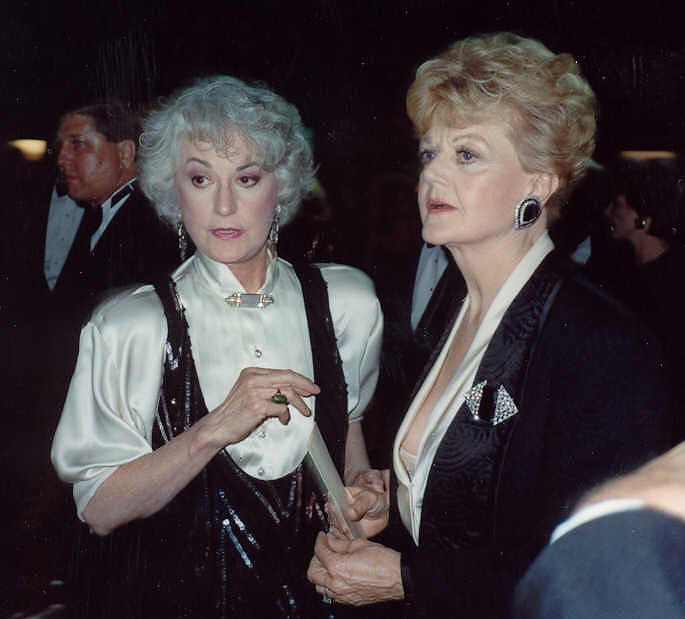
Top photo: Alan Light / CC BY 2.0, via Wikimedia Commons
If you were home on a Saturday night in the late 1980s, you knew the sound before you saw the picture: a bouncy theme song, a glimpse of a Miami lanai, and four women who could turn a kitchen table into a courtroom, a confessional, and a comedy club in the same half hour. The Golden Girls premiered on NBC on September 14, 1985, and stayed for seven seasons and 180 episodes, signing off on May 9, 1992. Most of us remember the laughter. Here are some of the stories behind it that even devoted fans may have missed.
Four Women, One Address, One Very Busy Kitchen
The setup sounds simple once you hear it. Blanche Devereaux, a widow, owned the house. Rose Nylund, also widowed, and Dorothy Zbornak, a divorcée, had both answered an ad on the bulletin board of a local grocery store a year before the series began. In the pilot, Dorothy’s 80-year-old mother, Sophia, moved in too, after the retirement home where she was living burned down.
That’s three widows and one divorcée sharing a home in Miami — not a premise you’d pitch without a fight today, which is part of why it worked. Creator Susan Harris built the series around women in their sixties, a demographic she felt television had never really addressed.
The Cheesecake Did More Work Than Anyone Expected
You remember the scenes. Something goes wrong — a man, a money problem, a moral knot — and sooner or later the four of them end up around the kitchen table, often late at night, usually with cheesecake, ice cream, or whatever dessert was within reach. Whoever was in trouble talked it out, and someone else told a story from her own life that somehow fit.
Those scenes weren’t cozy filler. The stories did the emotional work: Rose’s baffling tales from St. Olaf, Minnesota, Sophia’s invented epics, Blanche’s romantic revisions of her own history. The table gave the actresses a place where four people simply had to listen to one another — and on this show, that was the whole point.
A Last-Minute Role Swap Saved the Casting
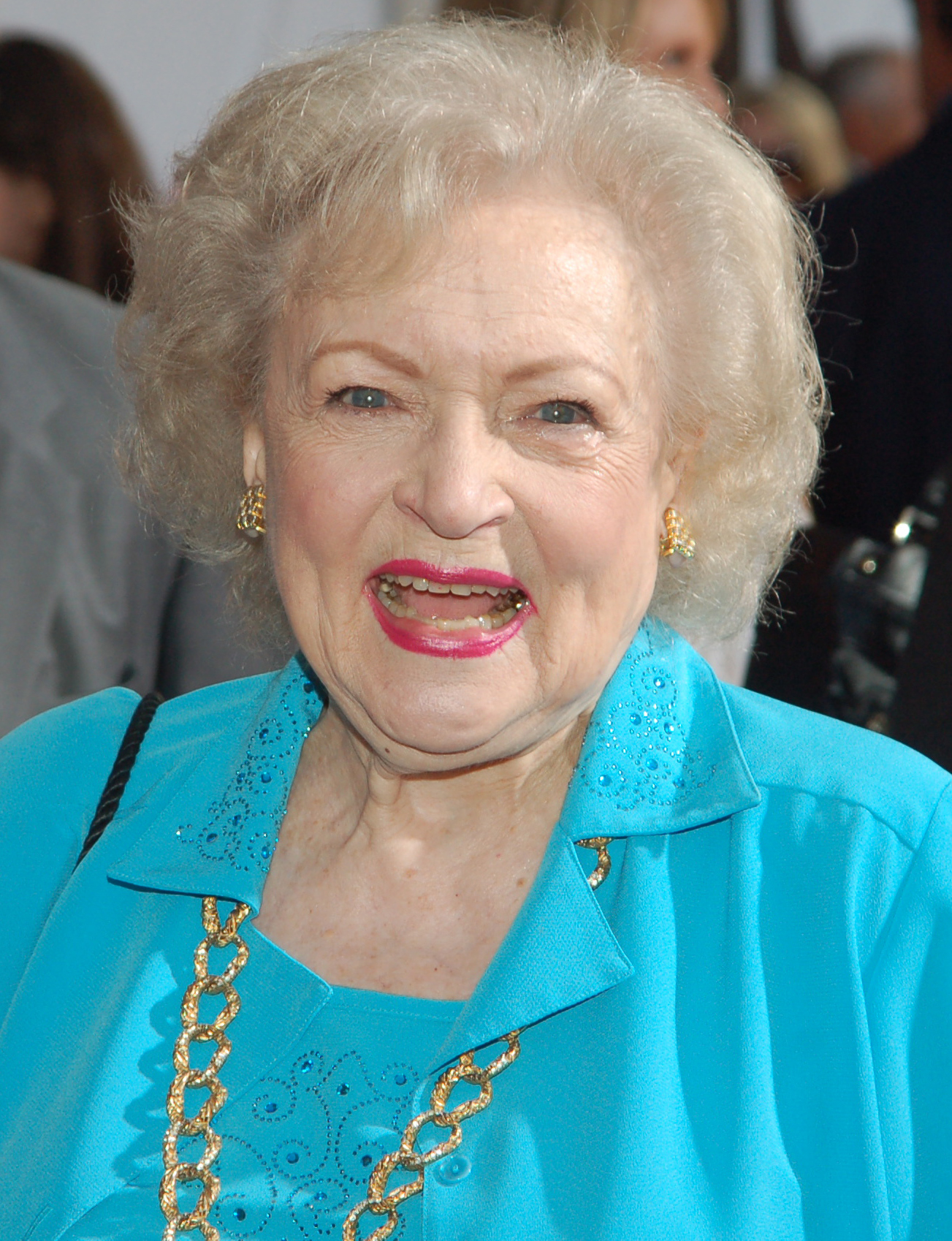
Here’s the part that still surprises people. Producers originally wanted Rue McClanahan as Rose and Betty White as Blanche, based on roles the two had played before — White as the man-hungry Sue Ann Nivens on The Mary Tyler Moore Show, McClanahan as the sweet, scatterbrained Vivian Harmon on Maude. Both actresses were eager not to be typecast, so at the suggestion of director Jay Sandrich they traded parts at the last minute.
Bea Arthur nearly didn’t take Dorothy at all. Elaine Stritch auditioned for the role and it flopped. Harris asked McClanahan, Arthur’s old Maude colleague, to talk her into it. Arthur loved the script but hesitated, worried she’d be playing a rerun of Maude and Vivian meeting Sue Ann. Learning that White and McClanahan had switched is what changed her mind.
Even Blanche’s accent was a negotiation. The pilot’s director asked McClanahan to drop the heavy Southern sound and use her natural Oklahoma accent instead; once the show was picked up, a new director insisted on the opposite. She leaned in hard, playing Blanche as a woman who figured a thick Southern drawl was the most attractive thing a man had ever heard.
Sophia Was Younger Than Her Daughter
Estelle Getty was the first of the four roles to be cast, thanks partly to the reviews she earned in the Los Angeles run of Torch Song Trilogy. She was also, in real life, a year younger than Bea Arthur — while playing Arthur’s mother. Getting there took about three hours of transformation on tape days: heavy makeup, thick glasses, and a white wig.
Disney’s Michael Eisner gave her much of the credit for the show’s youthful spark, saying that Getty turned three retirement-aged women into girls, which made the whole thing feel contemporary.
The Fear the Cameras Never Caught
Getty battled stage fright for her entire run, and it grew worse as the years went on. Working opposite major stars like Arthur and White only made her more nervous, and at times she froze on camera. To hold onto her lines she tried hypnosis, the show hired an assistant to run lines with her before taping, and eventually she wrote lines on props she could glance at — including the wicker purse Sophia carried everywhere. When she flubbed a scene, the cast stayed behind after the audience had gone home to shoot it again, and cue cards were finally brought in to help.
Getty died in 2008 from dementia with Lewy bodies. Looking back, her co-stars believed her difficulty remembering lines had been an early sign of the illness.
What Happened to the Man in the Kitchen
The pilot had a fifth housemate: Coco, a gay cook and butler played by Charles Levin. Getty’s short turn as Sophia got such a strong reaction from the studio audience that she was made a regular — and a five-person cast left little room for dialogue. The writers also noticed that most of the real conversation in the scripts happened in the kitchen while food was being prepared and eaten, which was impossible with a live-in cook. Coco was written out.
They Ate Lunch Together on Tape Days
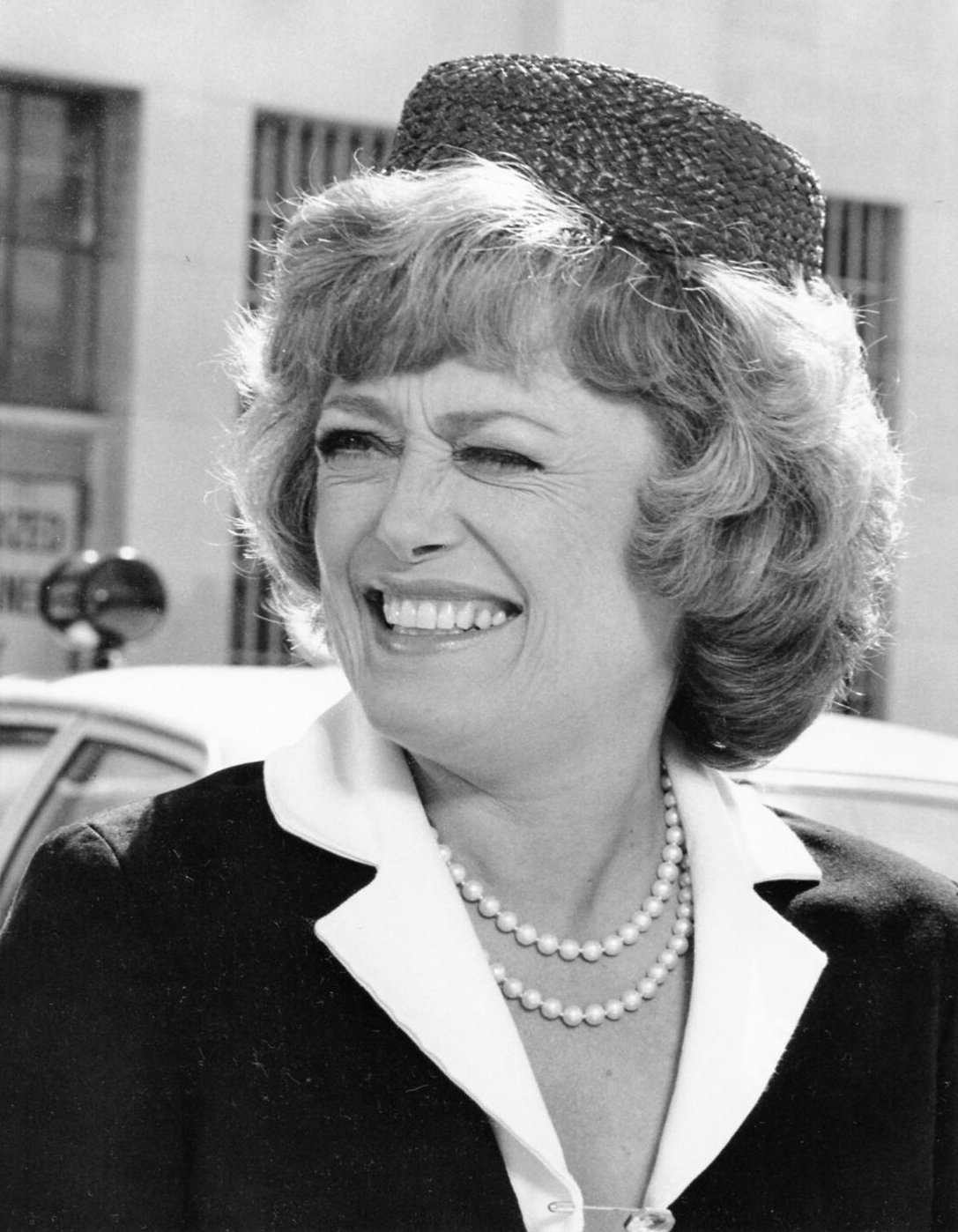
On screen, the friendship is the engine. Off screen it was complicated, the way real workplaces are. Arthur and White respected each other and worked well together, but they didn’t build a personal friendship away from the set. Arthur’s son, Matthew Saks, later described his mother as someone who seemed to enjoy having a person to be exasperated with, and said White’s habit of joking with the studio audience between takes struck Arthur as unprofessional. White herself said in 2011 that her perky attitude probably got on Arthur’s nerves.
What Arthur did insist on was lunch. She wanted all four women to break together during the workday, which tells you something about how the group functioned even when two of its members weren’t close.
She also spoke up about the jokes at Dorothy’s expense. After the third season, Arthur objected to the steady stream of gags about her character’s looks and let it be known she wouldn’t continue without changes. The changes came, and the jokes slowed. Writer Christopher Lloyd later admitted the staff had been insensitive to someone he called an extremely sensitive person, and that they’d pushed it too far.
The House Was Borrowed, the Kitchen Had a Past
Blanche’s address was 6151 Richmond Street, Miami. The exterior used for the first three and a half seasons belonged to a real house at 245 North Saltair Avenue in Brentwood, Los Angeles; later, a replica front was built at what became Disney’s Hollywood Studios. It weathered hurricane damage and was bulldozed in 2003. The Brentwood original was marketed in 2020 for $3 million.
The kitchen set had been used before, on an earlier Witt/Thomas/Harris series called It Takes Two. Designers kept the bones and swapped the view through the window from Chicago high-rises to palm trees and bushes. Space was tight on the soundstage, so the kitchen was often detached when it wasn’t on camera.
Costume designer Judy Evans gave each woman her own silhouette — soft and flowing for Rue, tailored for Bea, down-home for Betty, comfortable for Estelle — and the show averaged seven to ten costume changes per episode. McClanahan had a clause in her contract letting her keep her costumes, and she later turned Blanche’s look into a QVC clothing line called “A Touch of Rue.” Arthur, for her part, hated wearing shoes, so Dorothy spent much of the series in sandals.
Four Emmys and a Goodbye Worth 27 Million Viewers
Each of the four leads won a Primetime Emmy, which puts the show in a very small club: one of only four sitcoms in history where every principal cast member received Emmy recognition. The series took home two Emmys for Outstanding Comedy Series and three Golden Globes for Best Television Series, Musical or Comedy, and it landed in the Nielsen top 10 in six of its seven seasons.
The end came because Arthur chose to leave. In the finale, Dorothy married Blanche’s uncle Lucas — played by Leslie Nielsen — and moved to Atlanta, though Sophia ultimately stayed behind in Miami. 27.2 million people watched. As of 2016 it ranked as the 17th most-watched television finale ever, and it launched the spin-off The Golden Palace.
New fans keep finding it. The Associated Press’s Terry Tang has noted how the show continues to attract viewers in the 21st century and holds up remarkably well. TV Guide ranked it 54th on its list of the 60 best series of all time in 2013, and the Writers Guild of America placed it at 69 on its list of the 101 best-written TV series in 2014.
The Table Is Still There
All four are gone now: Getty in 2008, Arthur in 2009, McClanahan in 2010, White in 2021. But the ritual they left behind hasn’t faded — four people, a dessert, and a problem that gets a little smaller once somebody says it out loud. That’s why the show still feels like a visit rather than a rerun.
So we’d love to hear from you. Which episode do you reach for when you need it? And what was on the table at your house during those Saturday nights? Tell us in the comments — we read every one.