Top photo: CBS Television / Public domain, via Wikimedia Commons
If you spent your evenings gathered around the living room television in the 1970s and 1980s, the energetic clap of a gospel choir singing about a “deluxe apartment in the sky” is instantly familiar. On January 18, 1975, CBS introduced viewers to a spunky dry-cleaning entrepreneur and his family, delivering a weekly dose of pure laughter that lasted for eleven remarkable seasons. That journey from Queens to Manhattan’s Upper East Side became one of the greatest success stories in television history.
From Archie Bunker’s Porch to Manhattan
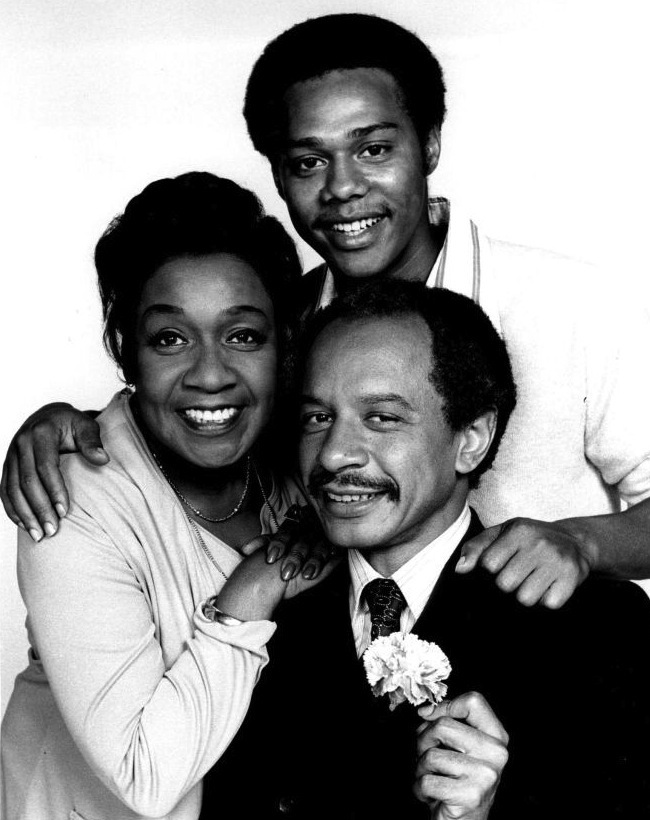
The Jeffersons did not begin on East 63rd Street. Viewers first met Louise Jefferson, portrayed by the incomparable Isabel Sanford, back on March 2, 1971, in the eighth episode of All in the Family. Their son, Lionel, played by Mike Evans, had already debuted in the very first episode. But George Jefferson himself remained unseen for quite some time.
Series creator Norman Lear wanted Sherman Hemsley for the part of George from day one. Because Hemsley was starring on Broadway in the musical Purlie, Lear held off on introducing George on-screen. Instead, he brought in Mel Stewart to play George’s brother, Henry, until Hemsley finally became available to step into Archie Bunker’s world.
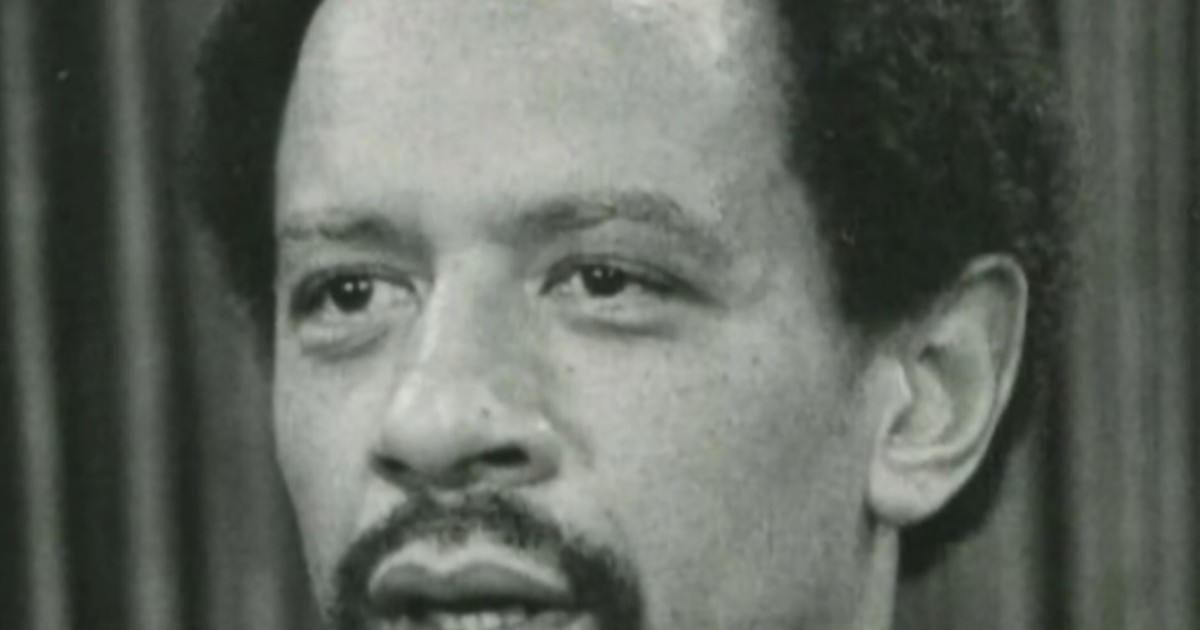
The idea of having the family strike it rich came straight to Lear from an unexpected encounter. Three members of the Black Panthers visited Lear’s CBS office to point out that Black characters on television were constantly shown living in deep poverty. Lear consulted with associate Al Burton, and soon George Jefferson’s dry-cleaning business—started with a $5,000 bus accident settlement—expanded into a thriving chain of stores.
Finding a Home on the East Side
On January 11, 1975, Edith Bunker gave Louise a tearful goodbye, and just one week later, The Jeffersons officially premiered. It became the second spin-off of All in the Family, following Maude, and soon outlasted them all. The show went on to air 253 episodes across eleven seasons.
The vibrant theme song, “Movin’ On Up,” set the mood each week. Co-written by Ja’Net DuBois and Jeff Barry, and sung by DuBois with a gospel choir, the song was born after DuBois asked Lear about working on a musical project. Taking her mother’s advice to write about her dream of providing a comfortable retirement, DuBois struck gold with lyrics that captured the series perfectly.
A Building Full of Unforgettable Characters
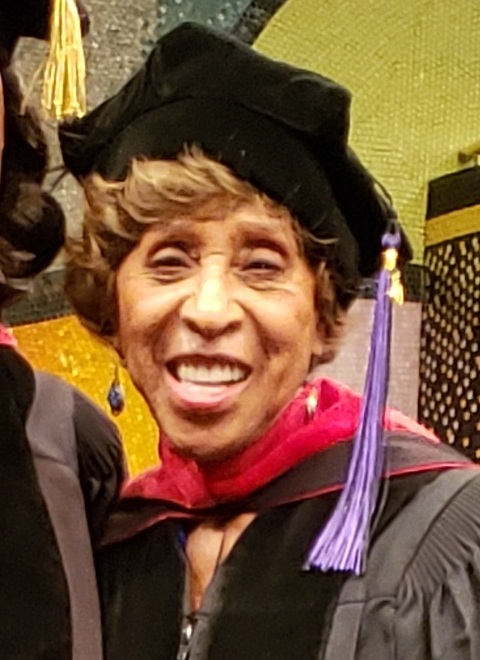
The comedy inside the Colby East high-rise worked so well because of the colorful personalities surrounding George and Louise. Marla Gibbs joined the cast as Florence Johnston, the deeply religious, sharp-tongued housekeeper who never missed an opportunity to roast George about his height or his thinning hair.
Right down the hall lived Harry Bentley, the eccentric British United Nations interpreter played by Paul Benedict. Bentley was always ready with a long-winded story—at least until George slammed the front door in his face—and frequently relied on George to walk on his aching back.
Then there were Tom and Helen Willis, television’s groundbreaking interracial couple played by Franklin Cover and Roxie Roker. When casting directors originally asked Roker if she would be comfortable playing a woman with a white husband, she quietly produced a photo of her real-life husband, Sy Kravitz. Rounding out the building were tip-seeking doorman Ralph Hart, played by Ned Wertimer, and George’s mother, Olivia “Mother” Jefferson, played by Zara Cully until her passing from lung cancer in 1978.
Peak Ratings and Serious Topics
Although CBS moved the series to at least 15 different time slots over the years—most often landing on Sunday night—audiences always managed to find it. In its freshman year, the show reached number four in the ratings. It hit the heights again in its eighth season, debuting at number three overall and finishing the 1981–82 season behind only Dallas and 60 Minutes.
While the laughter was constant, the series never shied away from difficult subject matter. Across its run, episodes tackled racism, alcoholism, gun control, suicide, the KKK, and adult illiteracy. In 1981, Isabel Sanford made television history when she won the Emmy for Best Actress in a Comedy Series, becoming the first African-American actress to take home the prize in that category.
An Unceremonious Goodbye
After more than a decade of high ratings and beloved stories, the end came with shocking suddenness. CBS canceled the series in the spring of 1985, announcing the decision at an upfront presentation on May 7, nearly two months before the final episode, “Red Robins,” aired on July 2, 1985.
No special series finale was produced. In fact, the cast was left entirely in the dark by network executives. Sherman Hemsley found out his long-running show was over by reading the morning newspaper. Franklin Cover saw the news while watching Entertainment Tonight, and Isabel Sanford learned of it from a cousin who read about it in the tabloids. Sanford openly voiced her frustration, calling the lack of a proper send-off deeply disrespectful after eleven years of loyal service.
The cancellation did allow Marla Gibbs to transition directly into starring in the sitcom 227 in the fall of 1985, a year ahead of schedule. The core cast would later reunite for a stage production called The Jeffersons Live: The Movin’ On Up Tour in the early 1990s, and both Hemsley and Sanford made memorable guest appearances together as George and Louise on The Fresh Prince of Bel-Air.
More than four decades after George strutted through that penthouse door, the warmth, the laughs, and that spirited theme song remain fresh in our minds. What were your favorite moments watching George, Weezy, and Florence over the years? Tell us your memories in the comments below!