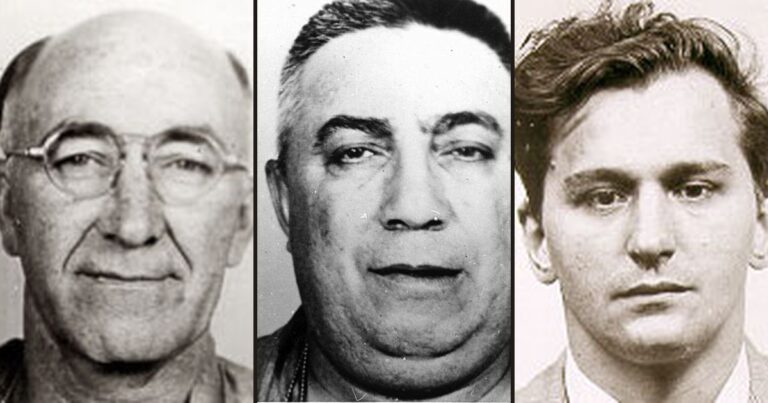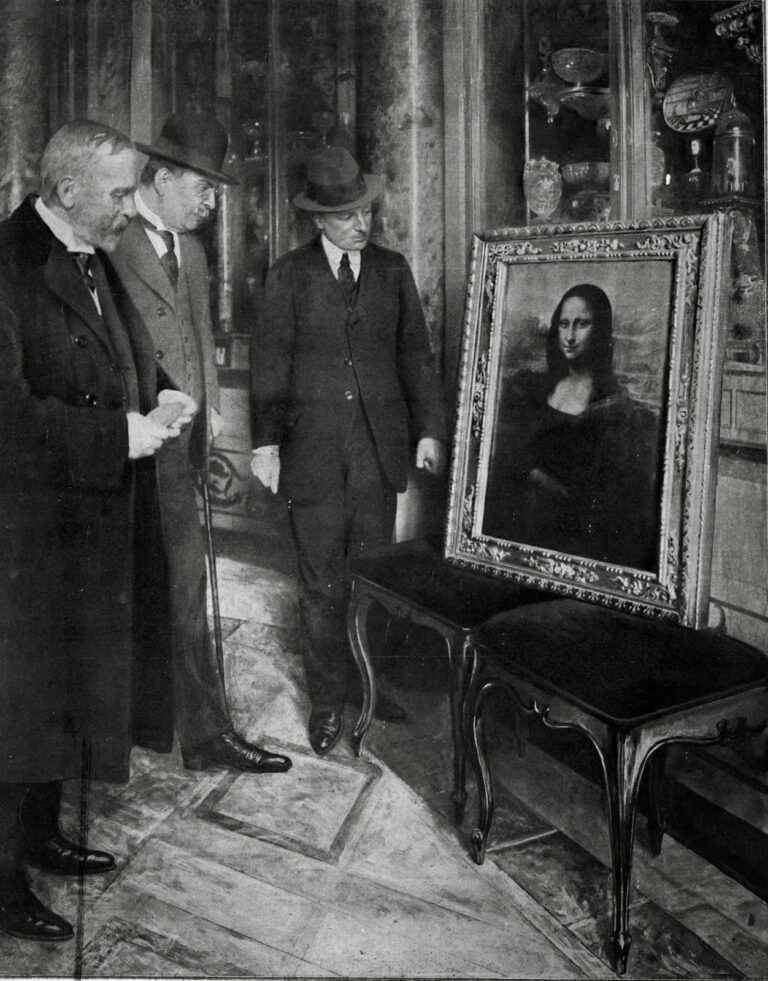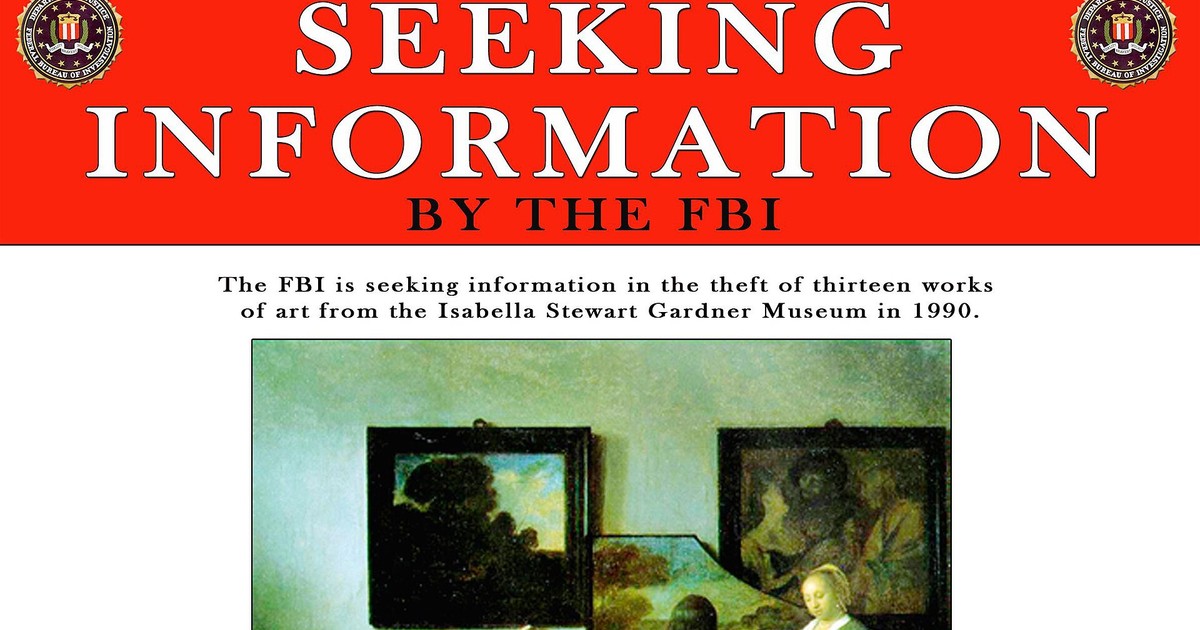
Top photo: Artwork by various artists, last deceased 1917; poster by unknown FBI staff / Public domain, via Wikimedia Commons
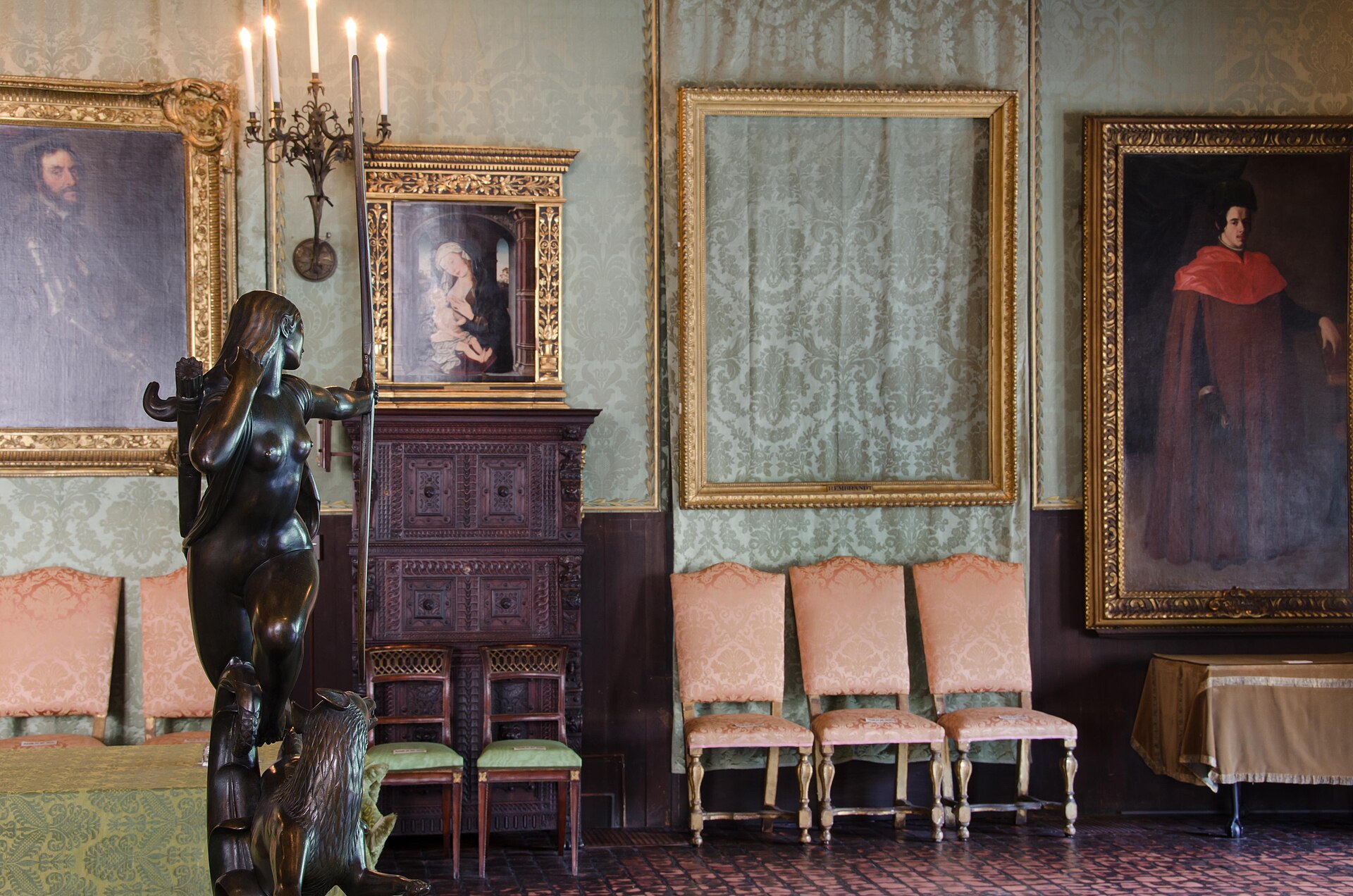
Walk through a certain room at the Isabella Stewart Gardner Museum in Boston and you will see something strange: empty picture frames, still hanging on the wall. They have been there since a cold night in 1990, waiting for paintings that have never come back.
A Museum That Could Not Change
Isabella Stewart Gardner was a wealthy Boston art collector who built a museum to hold her treasures, and she left very firm instructions behind. Her will forbids moving the collection. That is why, after the theft, the museum did not rearrange the room or fill the gaps. The empty frames stayed where they were.
The Knock at the Door
It happened in the early hours of March 18, 1990, just after St. Patrick’s Day celebrations in Boston. At about 1:24 a.m., two men dressed as police officers came to the side entrance and said they were answering a report of a disturbance.
The young guard on duty, Rick Abath, saw the uniforms on his camera and buzzed them in. It was a decision that would follow him for the rest of his life. One of the men told him he looked familiar and might have a warrant out for his arrest. Within 15 minutes, Abath and the other guard, Randy Hestand, were handcuffed, taped up and tied in the basement.
Then the thieves went to work. They were in the building for 81 minutes.
What They Took
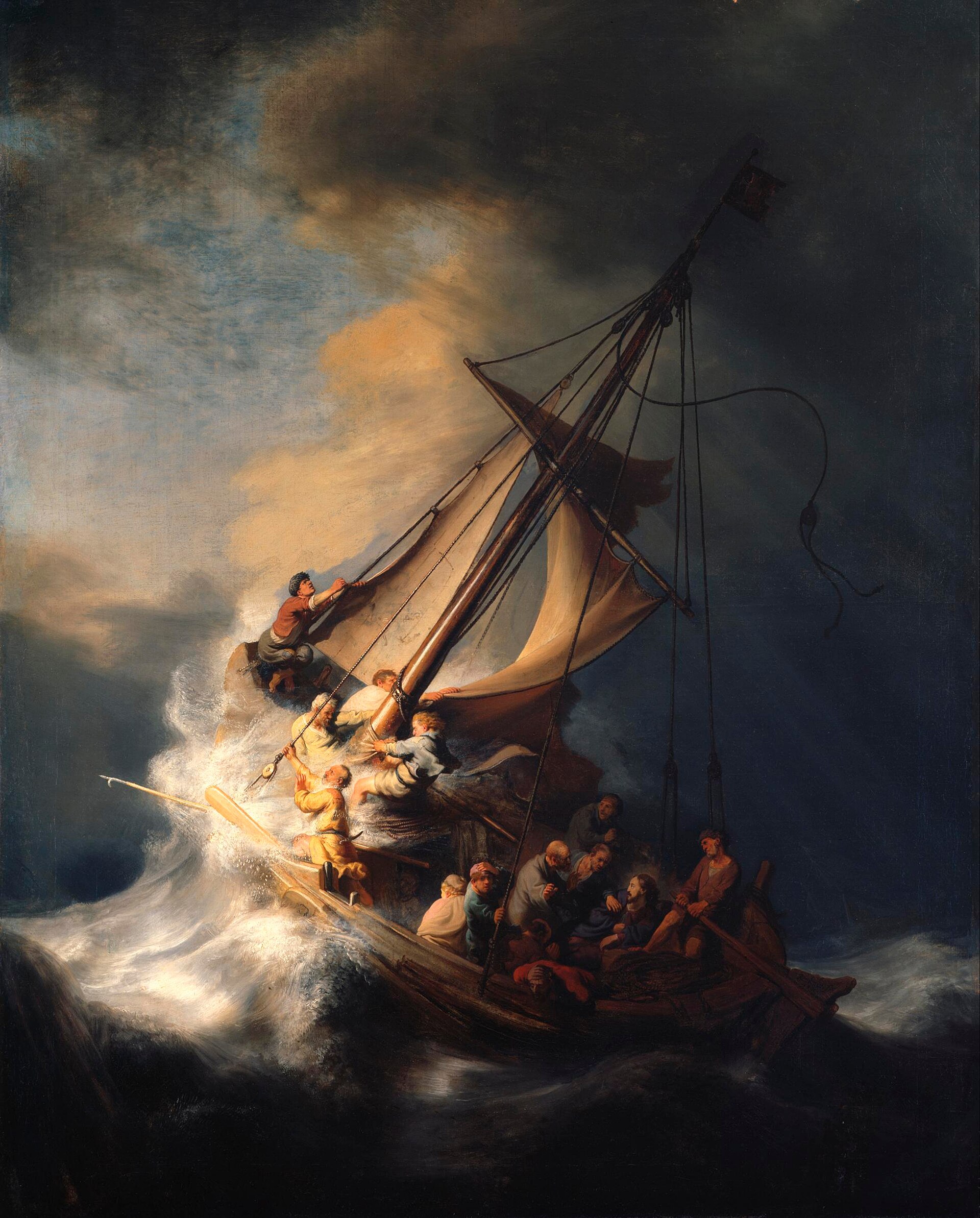
In all, 13 works were stolen. The two most famous were Vermeer’s The Concert and Rembrandt’s The Storm on the Sea of Galilee, the only seascape Rembrandt is known to have painted. They also took two more works by Rembrandt, a painting by Flinck, a Manet, five sketches by Degas, a bronze eagle from the top of a Napoleonic flag, and an ancient Chinese vessel.
What puzzled investigators was what they left behind. They passed over some of the most valuable pieces in the museum, while taking the eagle and the small sketches. Many investigators came away believing the men were not art experts. The FBI has estimated the total value at around $500 million, and The Concert alone may account for about half of that. Wikipedia describes it as the highest-value museum robbery in history.
The Morning After
The crime was discovered later that morning, when the next guard arrived and could get no answer. By then, the thieves and the art were long gone. No one had seen them leave, and no one has been arrested.
Decades of Dead Ends
Over the years, the case has drawn in informants, career criminals, journalists and treasure hunters. Investigators have looked at many theories, and most of them have led nowhere.
In March 2013, the FBI announced that it had identified the thieves “with a high degree of confidence,” and that it believed the art had moved through Connecticut and Philadelphia. In 2015, the Bureau said that both of the thieves were dead. It has never publicly named them.
A $10 Million Question
For years the museum’s reward stood at $5 million, the figure on the FBI poster above. In 2017, it doubled the offer to $10 million for information leading to the recovery of all the works in good condition. Federal prosecutors have also said that anyone who willingly returns the items will not be prosecuted.
Not one of the 13 works has been recovered. Somewhere, perhaps, a Rembrandt seascape is sitting in an attic, a basement or a storage unit, and the frame that held it is still waiting in Boston.
Do you remember hearing about the Gardner theft in 1990? Have you visited the museum and seen the empty frames? Where do you think the paintings are today? Tell us in the comments.