Top photo: McFadden, Strauss & Irwin, public relations / Public domain, via Wikimedia Commons
For John-Boy Walton, becoming a writer was more than a passing childhood ambition. He dreamed of seeing his stories published, even though his family’s financial circumstances made that dream difficult to pursue.
But sometimes, the smallest opportunity can change a young person’s future.
In The Typewriter, the fifth episode of The Waltons’ first season, John-Boy receives encouragement to submit one of his stories to a magazine. Unfortunately, an unexpected requirement creates a problem he cannot solve alone.
Originally broadcast on CBS on October 12, 1972, the episode follows John-Boy’s determination to become a published writer and the family misunderstanding that nearly destroys a treasured possession.
For longtime viewers, it is a touching story about ambition, honesty, and the lengths family members will go to correct an innocent mistake.
John-Boy Takes His Writing Seriously
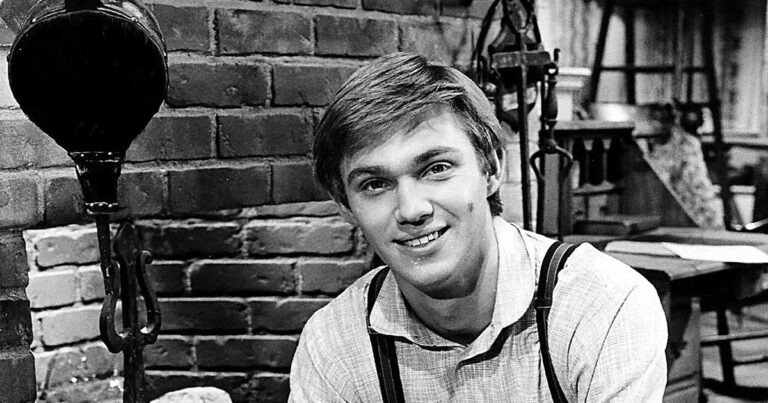
John-Boy Walton, portrayed by Richard Thomas, has always loved telling stories about his family and life on Walton’s Mountain.
His writing reflects the people, experiences, and surroundings he knows best.
In this episode, he shares one of his stories with his teacher, Miss Rosemary Hunter, played by Mariclare Costello.
She recognizes his potential and encourages him to submit the story to a magazine.
For John-Boy, that suggestion is thrilling.
Until now, writing has largely been a private activity. He fills pages with observations and memories, but the possibility that strangers might read his work makes the ambition feel more real.
With encouragement from his teacher, John-Boy mails his manuscript to Collier’s magazine.
His younger siblings accompany him to Ike Godsey’s store, where he sends the story.
The moment represents an important step in his dream of becoming a professional writer.
But waiting for the magazine’s response proves difficult.
A Letter From the Magazine Changes Everything
When John-Boy finally hears back from the magazine, he discovers that his manuscript cannot be considered in its handwritten form.
The publisher requires a typewritten submission.
For a young writer with limited resources, that requirement creates an unexpected obstacle.
Today, producing a typed document is easy. But during the Depression-era setting of The Waltons, a typewriter is a valuable piece of equipment that not every household owns.
John-Boy needs access to a machine before he can submit his work properly.
Fortunately, his grandfather knows someone who might be able to help.
The Baldwin sisters, Miss Mamie and Miss Emily, own an antique typewriter that belonged to their late father, Judge Baldwin.
The machine is a treasured family possession, and the sisters do not immediately agree to lend it.
But John-Boy’s enthusiasm for writing eventually persuades them.
He is allowed to borrow the typewriter, giving him another chance to pursue publication.
The Baldwin Sisters Lend Their Prized Possession
Miss Mamie Baldwin, played by Helen Kleeb, and Miss Emily Baldwin, portrayed by Mary Jackson, are familiar figures in the world of The Waltons.
They maintain their late father’s traditions, including producing the homemade drink they politely call their family’s recipe.
Olivia Walton disapproves of the sisters’ liquor-making activities, creating a problem for John-Boy.
Although the Baldwins have generously lent him the typewriter, he worries about his mother’s reaction if she discovers where it came from.
Rather than openly bringing the machine into the house, he takes it to the garden shed.
There, he begins preparing his manuscript.
The shed offers a quiet place to work, away from the everyday activity of a crowded household.
For John-Boy, the old typewriter is more than an instrument for putting words on paper.
It represents his first real opportunity to present his writing in the form a magazine expects.
But trying to keep the borrowed machine hidden creates an entirely different problem.
Mary Ellen Makes an Innocent but Costly Mistake
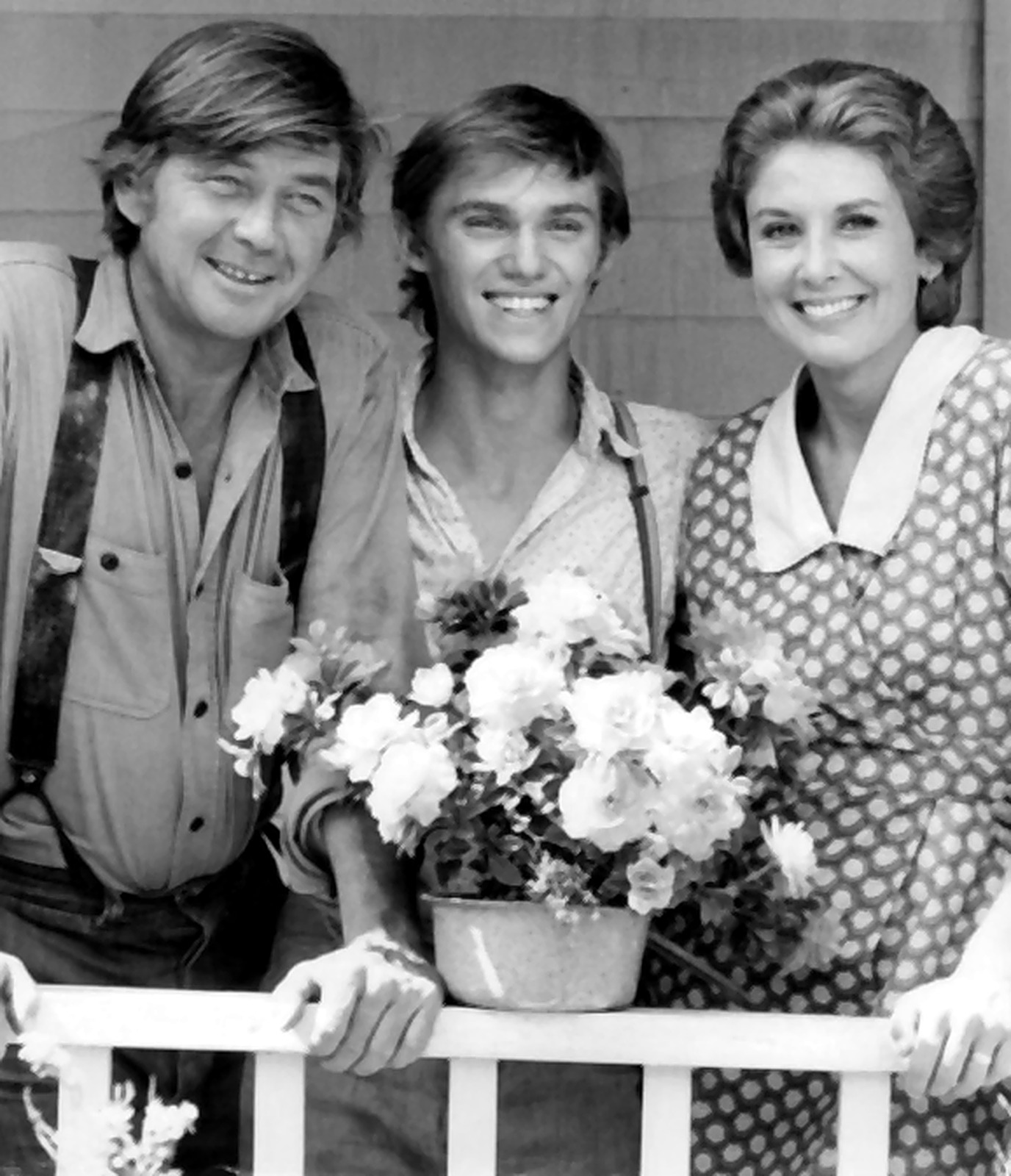
While John-Boy concentrates on his writing, his sister Mary Ellen has ambitions of her own.
Mary Ellen, played by Judy Norton, dreams of looking glamorous and hopes to purchase makeup.
To raise money, she collects unwanted objects that can be sold as scrap.
Unfortunately, John-Boy has hidden the borrowed typewriter in a cabinet where Mary Ellen discovers it among other items.
Not realizing that the machine belongs to the Baldwin sisters, she treats it as something the family no longer needs.
She sells it to a junk dealer named Vernon Rutley, played by George Tobias.
When John-Boy discovers what has happened, he is horrified.
The typewriter was never his to sell or give away.
It was an important possession entrusted to him by two women who believed in his writing ambitions.
Now he faces the possibility that he has permanently lost something precious to them.
What began as a misunderstanding threatens to become a serious breach of trust.
The Search for the Missing Typewriter
John-Boy and his father attempt to locate the junk dealer and recover the machine.
They eventually track down Vernon Rutley, only to learn that he has already sold the typewriter to someone else.
The news makes the situation even more difficult.
John-Boy must tell the Baldwin sisters what happened to their cherished possession.
Admitting the truth is uncomfortable, especially because the sisters generously trusted him with something connected to their father’s memory.
Meanwhile, Mary Ellen realizes how serious her mistake has become.
She had not intended to hurt her brother or deprive the sisters of their family keepsake.
Determined to make things right, she begins searching for the missing machine.
Her efforts eventually lead to its recovery.
Mary Ellen manages to buy back the typewriter, allowing it to be returned.
The resolution reveals something important about her character. Although her mistake caused the problem, she accepts responsibility and works to correct it.
A Rejection Letter Becomes a New Beginning
While the family searches for the typewriter, John-Boy also receives news about his writing.
His story has not been accepted for publication.
At first, the rejection might seem like another disappointment.
But the magazine’s response includes encouragement: the editors would be willing to consider more of his stories.
For an aspiring writer, that possibility matters.
John-Boy has not achieved his dream of seeing his work published, but he has taken an important step toward it.
Miss Hunter also encourages him to continue his education and consider attending college.
The experience teaches John-Boy that disappointment does not necessarily mean failure.
Sometimes an early rejection can become part of the process of improving one’s work and finding another opportunity.
With the typewriter recovered and his family supporting him, John-Boy can return to the activity he loves.
His ambition has survived both a publishing setback and a family misunderstanding.
Why The Typewriter Remains a Touching Walton Family Story
The Typewriter was written by Theodore Apstein and directed by Philip Leacock.
Alongside Richard Thomas and Judy Norton, the episode features Mary Jackson and Helen Kleeb as the Baldwin sisters, Mariclare Costello as Miss Hunter, and George Tobias as Vernon Rutley.
What makes the episode memorable is that its central conflict grows from ordinary family circumstances.
John-Boy wants to become a writer. Mary Ellen wants to buy something for herself. Neither sibling begins with bad intentions.
But one attempt to keep a borrowed object hidden and another attempt to earn money unexpectedly collide.
The result is a lesson about responsibility, trust, and making amends.
The episode also captures the importance of encouragement. Without Miss Hunter’s interest in his writing and the Baldwin sisters’ willingness to lend their typewriter, John-Boy would have found it much harder to take his next step.
For viewers who remember using typewriters, mailing manuscripts, or waiting anxiously for letters, the story may feel especially nostalgic.
It recalls a time when pursuing a creative dream could depend on access to a single piece of equipment and the kindness of people willing to help.
John-Boy’s first rejection does not end his journey. Instead, it gives him another reason to keep writing.
And Mary Ellen’s efforts to recover the missing machine show that an honest mistake does not have to remain uncorrected.
Do you remember The Typewriter? Were you more worried about John-Boy losing his chance to publish, or about Mary Ellen finding the Baldwin sisters’ treasured machine?
Sources
- allaboutthewaltons.com
- tvmaze.com
- tvguide.com
- thetvdb.com
- Wikipedia: List of The Waltons episodes
- epguides.com
- oocities.org