Top photo: CBS Television / Public domain, via Wikimedia Commons
John-Boy Walton was never afraid of asking difficult questions. But when his father took him hunting for the first time, the young man faced a question that no amount of reading or writing could easily answer.
Could he take the life of an animal to help feed his family?
That emotional conflict drives The Hunt, the fourth episode of The Waltons’ first season, originally broadcast on CBS on October 5, 1972.
What begins as a traditional father-and-son hunting trip becomes a frightening test of courage when an injured bear threatens John Walton’s life.
For viewers who remember the quiet mountain scenery and heartfelt family conversations, this early episode reveals something important about John-Boy: his compassion and his courage are not always in conflict.
John-Boy Wants to Prove He Is Growing Up
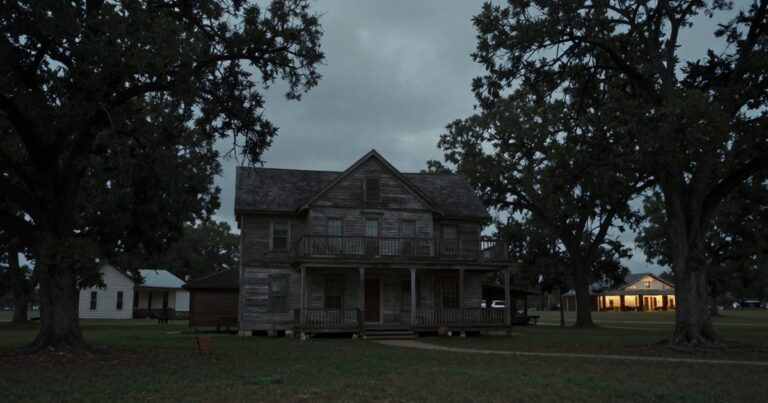
Life on Walton’s Mountain during the Great Depression requires everyone to contribute. Money is limited, food matters, and family responsibilities cannot always wait until someone feels ready.
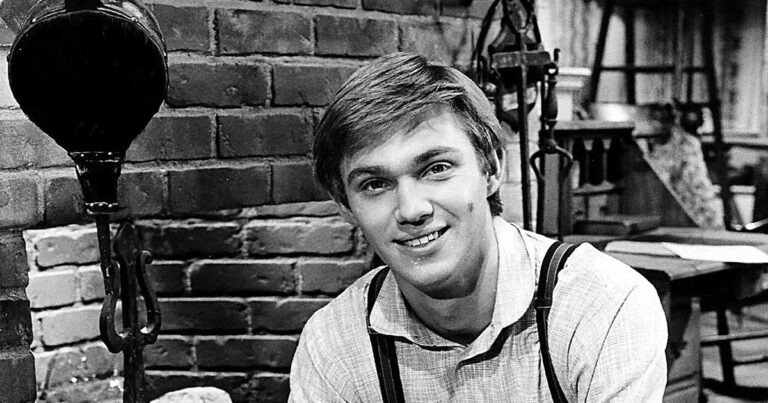
John-Boy, played by Richard Thomas, begins thinking seriously about his place within the household.
He wants to demonstrate that he is becoming an adult and can share more of the practical responsibilities carried by his father.
When the opportunity arises to join a turkey hunt, John-Boy believes it might be his chance.
But he has doubts about killing an animal.
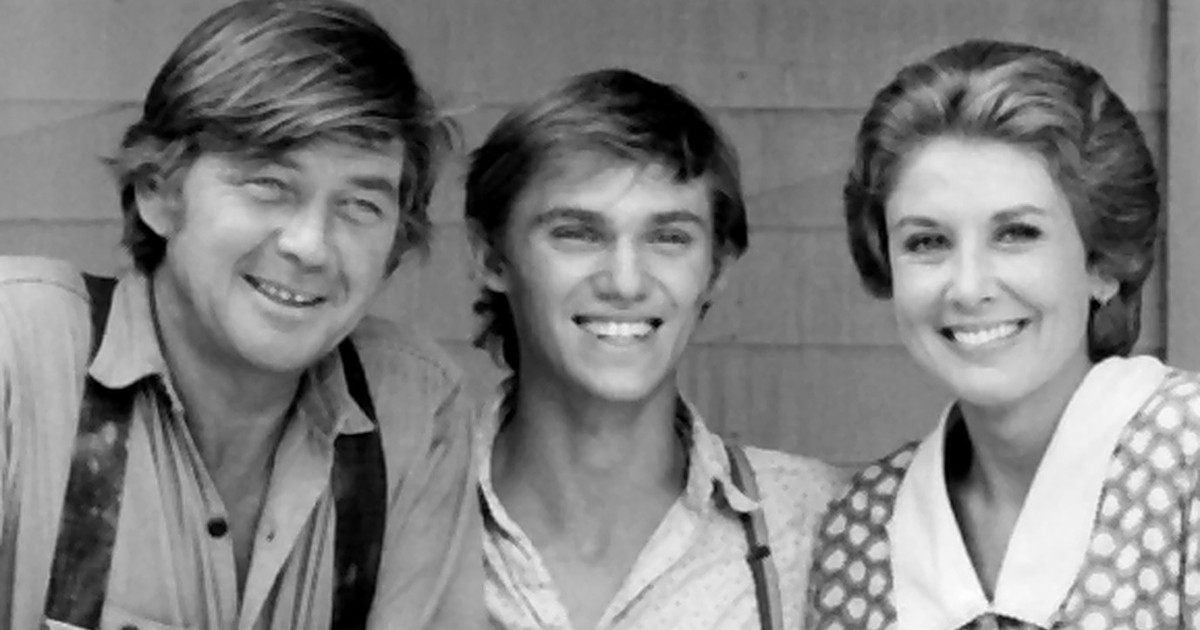
John Walton, portrayed by Ralph Waite, understands hunting as one way of providing food for the family. His son, however, struggles with the idea that proving himself may require taking a life.
John-Boy is not refusing to help his family. He simply questions whether he can bring himself to pull the trigger.
The disagreement gives the story its emotional center. Father and son share a desire to support their household, but they approach the responsibility from different perspectives.
A Hunting Trip Into the Mountains
John-Boy joins his father and two companions, Charlie Sneed and Hawthorne Dooley, for the hunting trip.
The men travel into the mountains in search of wild turkey.
For John-Boy, the journey represents more than an opportunity to bring food home. It is also a chance to experience a part of his father’s world.
Along the way, the group stops near the remains of a cabin associated with an earlier generation of the Walton family.
The setting provides a reminder that the mountain has been part of the family’s history for generations.
But the outing does not go entirely according to plan.
John-Boy twists his ankle, making it more difficult for him to continue walking through the woods.
Despite the discomfort, he carries on.
When an opportunity finally comes to shoot a turkey, the young man discovers that his earlier doubts have not disappeared.
He cannot pull the trigger.
For John-Boy, the bird is a living creature, and the thought of deliberately killing it troubles him.
His father tries to help him understand why hunting can be necessary when a family depends on the food it provides.
But understanding that explanation does not immediately resolve John-Boy’s feelings.
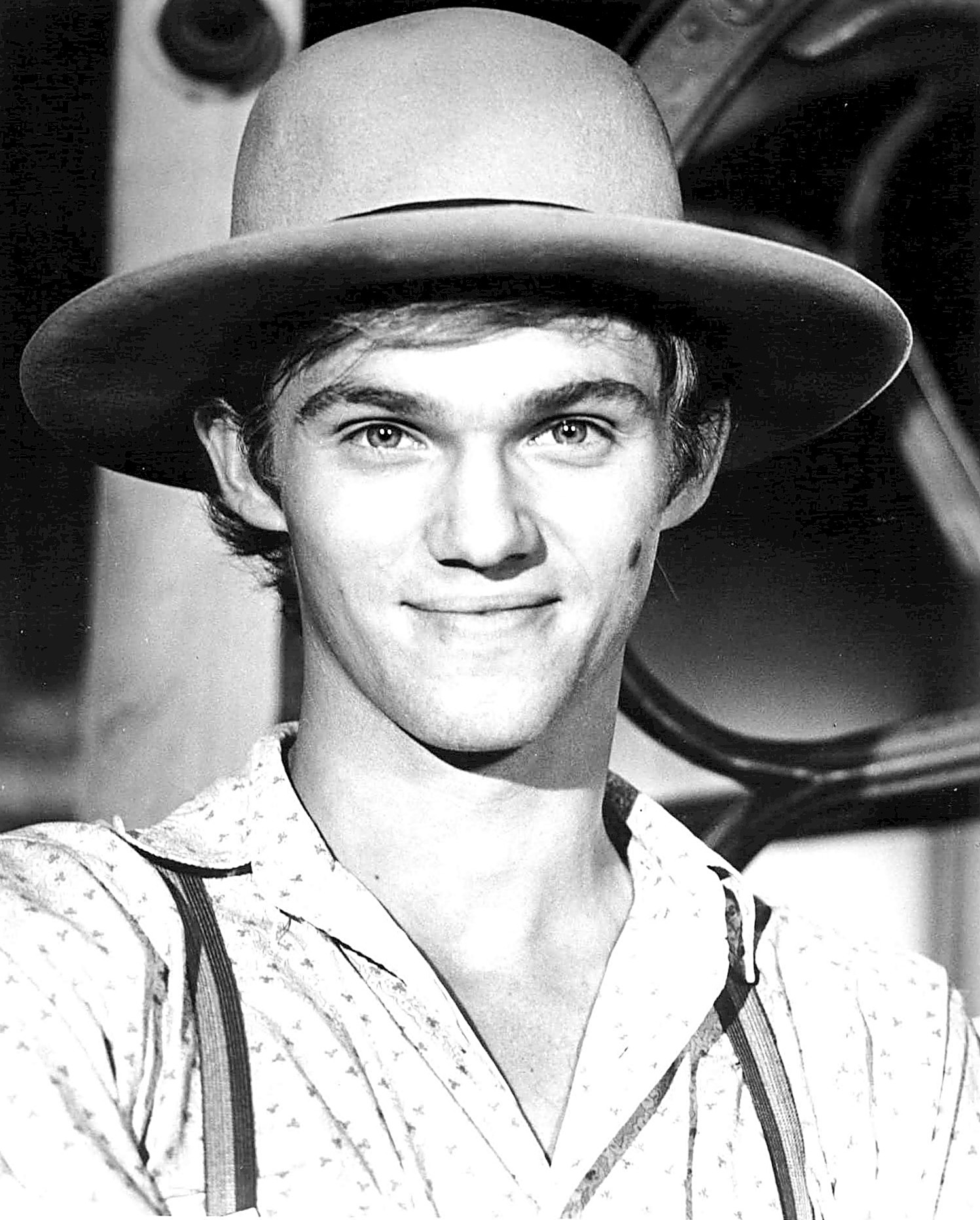
The Moment John-Boy Cannot Pull the Trigger
John-Boy’s hesitation becomes one of the episode’s defining moments.
He wants to live up to his father’s expectations, yet he cannot ignore his own conscience.
It is an uncomfortable position for a young man who is trying to discover what adulthood means.
Does becoming responsible require him to set aside his compassion? Or can he remain true to his beliefs while still doing what his family needs?
John does not treat the matter as a simple contest of toughness. He attempts to explain the realities of life, death, and the family’s needs.
After struggling with the decision, John-Boy starts back toward home.
His injured ankle makes the return difficult, and the mountain holds another danger that the hunters have been concerned about.
A bear has been causing trouble in the area.
John-Boy notices signs of the injured animal, while his father encounters the family’s dog, Reckless, who has also been hurt.
The danger is no longer a distant possibility.
And soon, John-Boy will face a situation very different from shooting a turkey.
A Bear Attack Changes Everything
The hunting trip takes a frightening turn when John Walton finds himself threatened by the bear.
During the encounter, John is separated from his gun and unable to defend himself as he normally would.
John-Boy follows the signs of danger and arrives to find his father being attacked.
Suddenly, the question that troubled him earlier has changed completely.
He is no longer considering whether to shoot an animal for food. His father’s life is in immediate danger.
Faced with that emergency, John-Boy acts.
He shoots the bear and saves his father.
The moment provides the emotional turning point of the story.
Earlier, John-Boy could not bring himself to fire at a turkey. Now, when protecting someone he loves becomes essential, he makes a decision without the same hesitation.
That contrast is central to the episode’s message.
The story does not suggest that John-Boy’s earlier compassion was foolish. Instead, it shows him confronting different circumstances and recognizing that the reasons behind an action matter.
His first hunting trip becomes a lesson about judgment and responsibility rather than simply a test of marksmanship.
Mary Ellen Faces a Different Kind of Growing Up
While John-Boy wrestles with the meaning of manhood, Mary Ellen Walton faces her own question about growing older.
Played by Judy Norton, Mary Ellen enjoys activities that do not always fit other people’s expectations of how a young girl should behave.
She has been saving money for a baseball glove and wants to play catch with G.W. Haines.
But she also finds herself thinking about a new dress and what it might mean to be seen differently.
Her feelings become more complicated when Martha Rose Coverdale attracts G.W.’s attention.
Mary Ellen is caught between the interests she enjoys and the growing pressure to present herself in a more traditionally feminine way.
Her storyline offers a quieter parallel to John-Boy’s experience.
Both siblings are trying to understand what growing up requires of them.
John-Boy wonders whether becoming a man means becoming a hunter. Mary Ellen wonders whether becoming a young woman means changing the activities she enjoys.
Neither question has a simple answer.
And that is part of what makes the episode’s two stories fit together.
Why The Hunt Is Still Worth Remembering
The Hunt was written by John McGreevey and directed by Robert Butler.
Richard Thomas and Ralph Waite bring the central father-and-son conflict to life, while Judy Norton gives the secondary story its own emotional perspective.
The episode also features Tom Peters as Charlie Sneed, Teddy Wilson as Hawthorne Dooley, David Doremus as G.W. Haines, and Cynthia Eilbacher as Martha Rose Coverdale.
What makes The Hunt memorable is the way it approaches courage.
John-Boy does not become brave because he suddenly stops caring about animals. He demonstrates courage when a genuine emergency forces him to protect his father.
Mary Ellen’s story explores another form of courage: trying to understand who she wants to become while facing expectations from those around her.
Both storylines belong comfortably within the world of The Waltons, where growing up involves questions that cannot always be settled by simple rules.
For viewers who remember family evenings watching the series, this episode offers a powerful reminder of its appeal.
The characters are imperfect, their choices are sometimes difficult, and their lessons emerge from experiences that change how they see themselves.
On Walton’s Mountain, becoming an adult is not simply about appearing strong. It is about learning when and why to act.
Do you remember The Hunt? Were you surprised when John-Boy saved his father, and did you understand why he refused to shoot the turkey?
Sources
- hallmarkfamily.com
- tvguide.com
- tvmaze.com
- thetvdb.com
- rottentomatoes.com
- allaboutthewaltons.com
- watch.plex.tv
- Wikipedia: List of The Waltons episodes