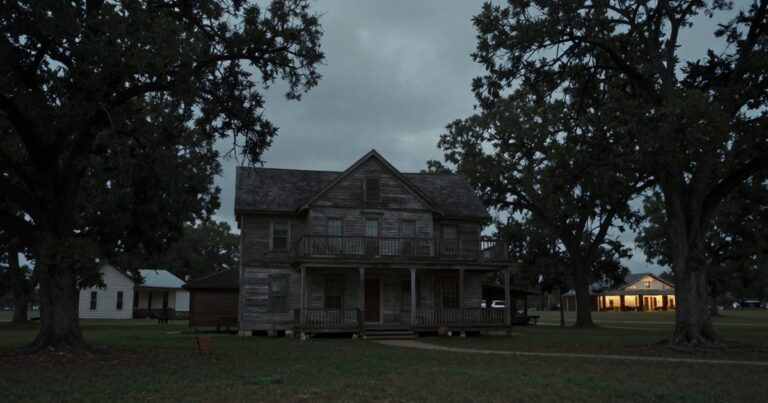
Top photo: CBS Television / Public domain, via Wikimedia Commons
The Little Girl Who Arrived at Walton’s Mountain
Some television shows take several episodes to show viewers what makes them special. The Waltons managed it with one little girl, one open door, and a family willing to help someone they had never met.
On September 14, 1972, CBS aired The Foundling, the first regular episode of The Waltons. The story introduced viewers to a young deaf girl named Holly, whose arrival on the family’s doorstep would lead to an unexpected lesson about communication, compassion, and the meaning of home.
For viewers who remember the family gatherings, the country roads, and John-Boy’s thoughtful observations, this opening episode contains many of the qualities that would make Walton’s Mountain feel like a familiar place.
And everything begins with a child who cannot hear the family welcoming her.
A Stranger on the Doorstep
The morning begins with an unexpected discovery. The Walton family finds a young girl who has been left outside their home. Her name is Holly, and she is just six years old.
At first, the family struggles to understand why she does not respond when they speak to her. Eventually, they discover that Holly is deaf.
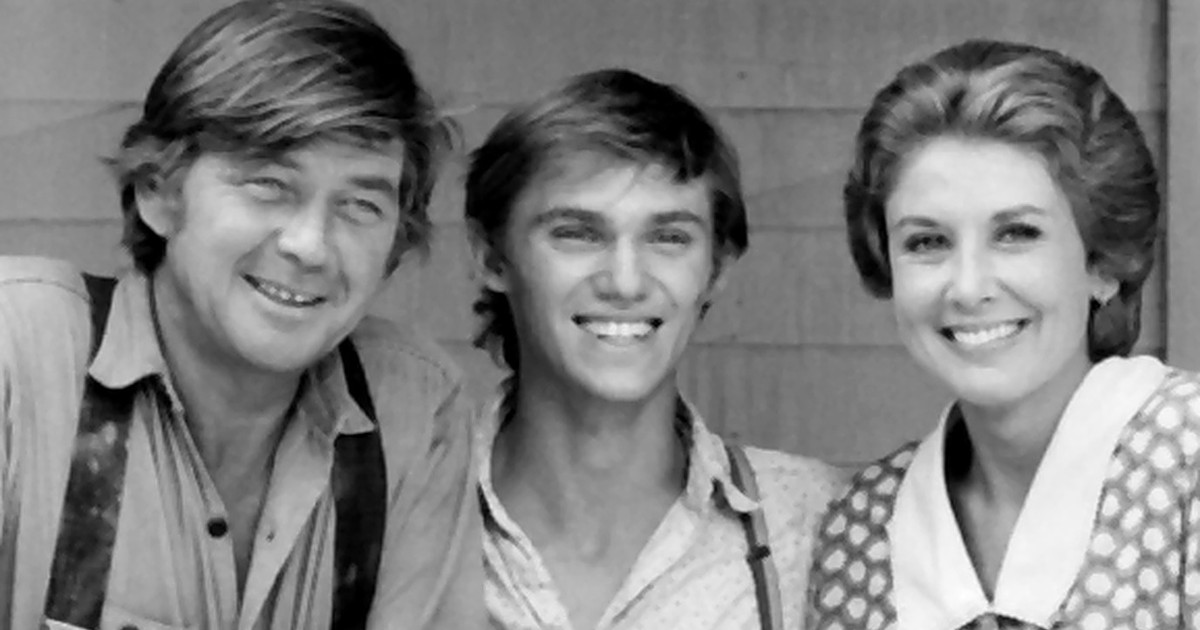
John Walton, played by Ralph Waite, and his wife Olivia, played by Michael Learned, have a large family of their own. Their household is already shaped by the financial difficulties of the Great Depression.
Taking responsibility for another child is no small matter. Yet leaving Holly without care is not something the family is prepared to do.
Olivia’s concern for the little girl reflects the warmth that would become closely associated with the show. John, meanwhile, represents the practical responsibilities of keeping a large household together.
What the Waltons do not initially know is that Holly’s arrival is connected to a painful disagreement between her parents.
Her mother, Ruth Collier, hopes that someone will provide the understanding her daughter needs. Holly’s father, Anson, believes she should be placed in an institution.
Instead of immediately accepting that Holly cannot learn or communicate, the Waltons begin looking for ways to reach her.
John-Boy and the Language That Opens a Door
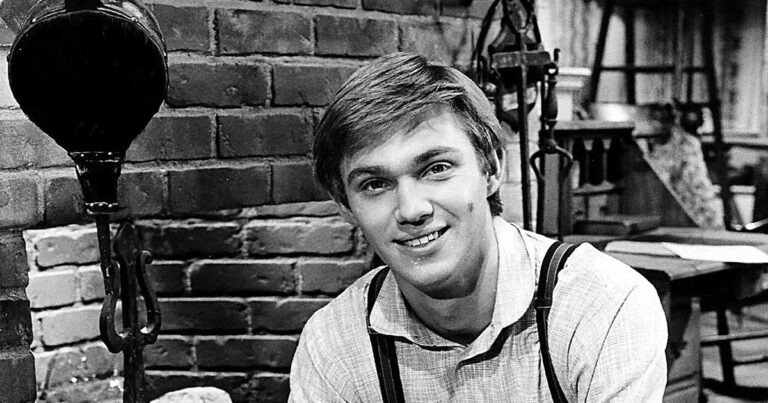
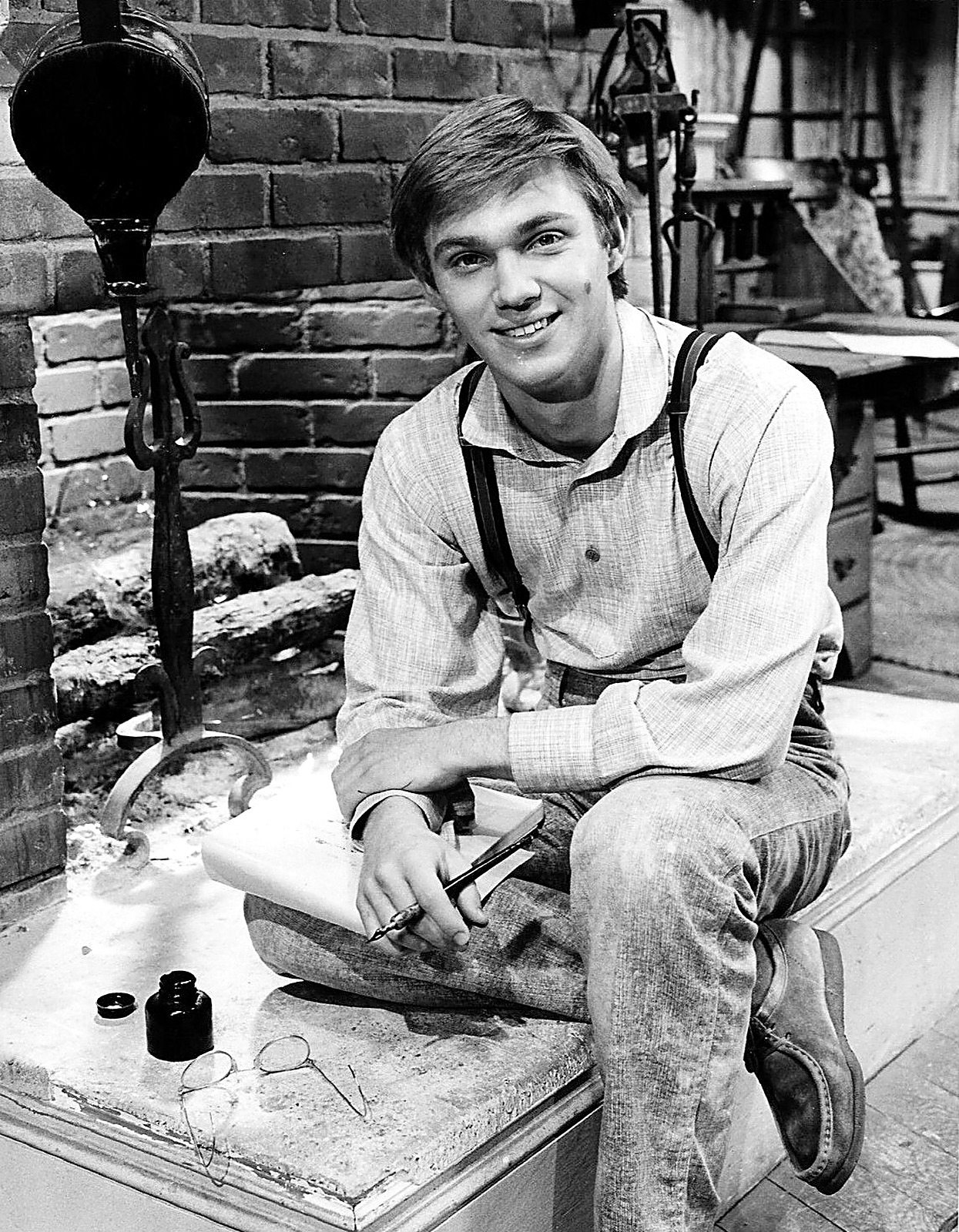
John-Boy Walton, played by Richard Thomas, becomes an important part of Holly’s story. As an aspiring writer, he is accustomed to thinking about the power of words. With Holly, however, spoken language is not the answer.
The Walton family begins helping Holly learn sign language. Mary Ellen, played by Judy Norton, also participates in the effort, while John-Boy helps Holly make an important breakthrough.
Suddenly, gestures and signs give Holly a way to communicate thoughts that the family previously struggled to understand.
It is a touching development because the story does not suggest that Holly lacked intelligence or feelings. The difficulty was that the people around her did not know how to communicate with her.
As Holly begins using signs, the family’s experience with her changes. She becomes more than a frightened child temporarily living in their home. She becomes someone whose thoughts and abilities they are beginning to recognize.
This storyline also reveals something important about John-Boy. His curiosity is not limited to books or writing. He wants to understand other people’s experiences, even when doing so requires patience and a different approach.
For a family drama set in an earlier American era, it is a meaningful idea. Understanding another person sometimes requires learning something new ourselves.
But the importance of Holly’s new communication skills becomes far greater than anyone expects.
Elizabeth Disappears, and Holly Knows Why
The episode takes a frightening turn when Elizabeth Walton, played by Kami Cotler, finds herself in danger.
While playing, Elizabeth hides inside an old trunk. The lid closes, trapping her inside and leaving her unable to escape on her own.
Holly knows what has happened, but communicating the emergency is not easy.
The situation becomes more complicated when her father, Anson Collier, takes her away. Because he does not understand her signing, he cannot immediately recognize what she is attempting to tell him.
For the Walton family, Elizabeth’s disappearance creates an urgent search. For Holly, it becomes a desperate attempt to communicate something important.
Eventually, the family is able to understand Holly’s message through sign language. Her information leads them to Elizabeth, who is rescued from the trunk.
It is the episode’s most dramatic moment, and it gives Holly’s story a powerful conclusion.
The young girl who arrived needing protection has now played a vital role in protecting someone else.
Holly’s ability to communicate is no longer merely an encouraging development. It has helped prevent a family tragedy.
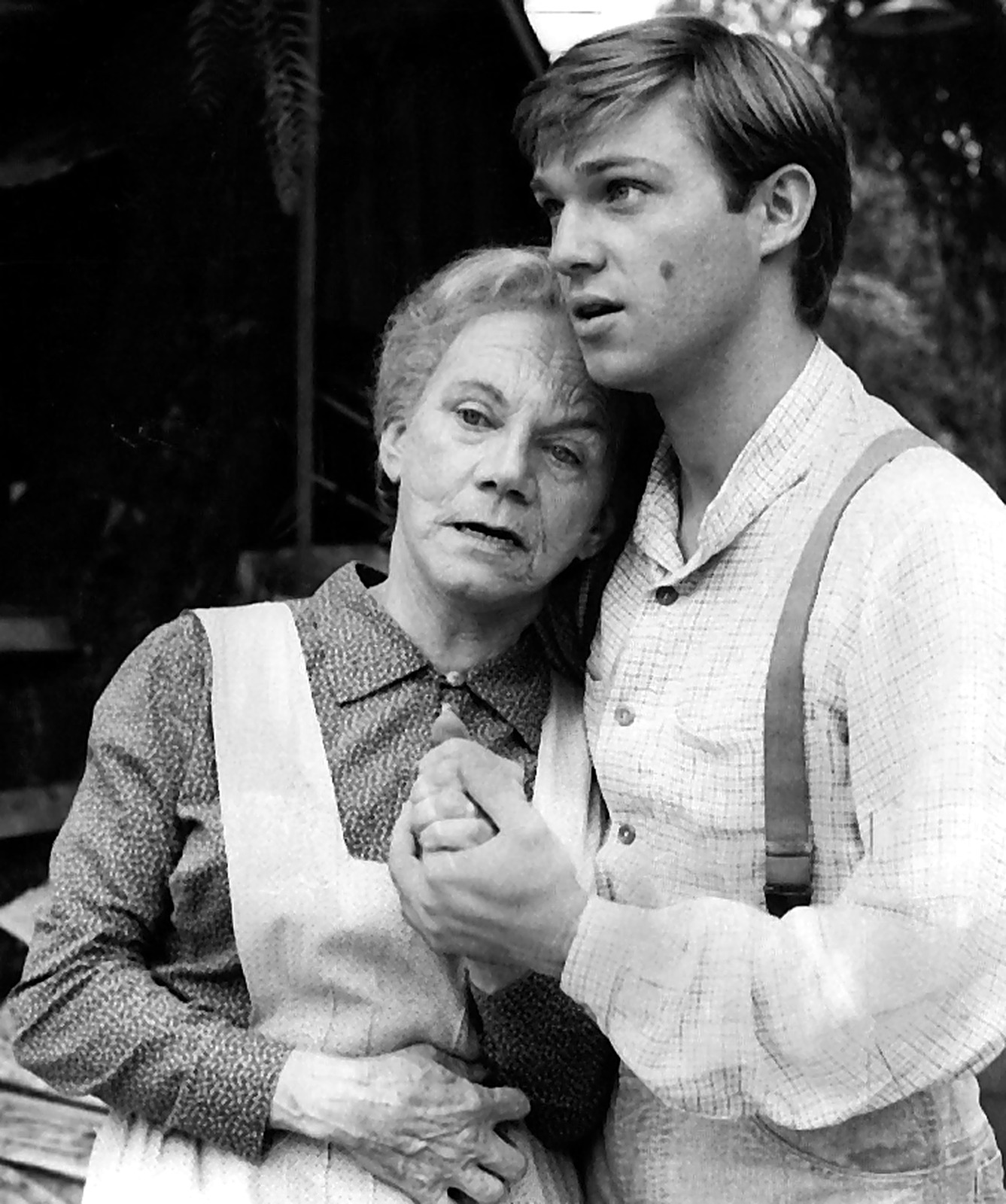
Holly’s Parents Finally Understand
Holly’s mother, Ruth, is portrayed by Charlotte Stewart, while Richard Kelton plays her father, Anson. Erica Hunton appears as Holly.
As the truth becomes clear, Holly’s parents are forced to reconsider their assumptions about their daughter.
Her father had believed that she could not understand or communicate effectively. The Waltons’ experience demonstrates that Holly has abilities he had failed to recognize.
Sign language gives the Collier family a way to begin communicating with her.
The story does not depend on a dramatic punishment or an elaborate confrontation. Instead, it moves toward the possibility of rebuilding understanding within Holly’s own family.
That resolution fits the larger spirit of The Waltons. Problems may be serious, and people may make painful mistakes, but compassion and a willingness to learn can make change possible.
It is also worth remembering that the episode is a fictional television portrayal of deafness, rather than a complete account of deaf people’s experiences. Its emotional focus is on a family discovering that communication barriers should not be confused with an inability to learn.
For Holly, that discovery means the possibility of a different future.
The Familiar Faces That Made the First Episode Special
Alongside the central story, The Foundling introduces viewers to the household that would become one of American television’s memorable fictional families.
Richard Thomas portrays John-Boy, the thoughtful young man whose ambitions extend beyond the mountain. Ralph Waite plays his hardworking father, while Michael Learned brings warmth and determination to Olivia Walton.
Will Geer appears as Grandpa Zeb Walton, and Ellen Corby portrays Grandma Esther. Their presence helps establish the multigenerational character of the household.
Judy Norton plays Mary Ellen, while the younger Walton children include Jason, Ben, Erin, Jim-Bob, and Elizabeth.
The episode also includes familiar community characters such as Ike Godsey, played by Joe Conley, and Sheriff Ep Bridges, portrayed by John Crawford.
There is even a little room for John-Boy’s interest in Marcia Woolery, played by Tammi Bula. It is a reminder that everyday relationships and youthful concerns continue alongside the family’s larger challenges.
The Foundling was written by John McGreevey and directed by Vincent Sherman. The regular series followed the 1971 television movie The Homecoming: A Christmas Story, which had already introduced the Walton family to television audiences.
That earlier production established the setting, but The Foundling gave the ongoing series a story that clearly illustrated its central concerns: family, responsibility, kindness, and the experiences of ordinary people.
Why The Foundling Still Feels Meaningful
Looking back at The Foundling, what stands out is how much of its drama grows from everyday human choices.
A family finds a child who needs help. They decide to care for her. They learn something unfamiliar. Then the knowledge they share becomes essential during a crisis.
There are no extravagant settings or complicated mysteries. The story takes place largely within the world of a rural family trying to do what is right.
That simplicity is part of the appeal of The Waltons. The series could explore serious subjects without losing sight of family relationships.
Its Depression-era setting also gives those choices additional significance. The Waltons are not wealthy people helping because they have everything they need. They are a family with responsibilities and limitations of their own.
Yet their home becomes a refuge for someone in trouble.
The Foundling offers a fitting beginning to the show’s nine-season television journey. It shows that life on Walton’s Mountain was not always easy, but its residents could respond to hardship with patience and care.
More than fifty years after the episode first aired, Holly’s story remains an example of the gentle but meaningful storytelling that helped define The Waltons.
For longtime viewers, returning to this opening chapter can feel like visiting an old television home again.
And the lesson at its heart remains easy to appreciate: sometimes the greatest kindness is making the effort to understand someone else’s world.
Do you remember watching The Waltons during its original television run? Which member of the Walton family was your favorite?
Sources
- hallmarkfamily.com
- tvmaze.com
- tvguide.com
- rottentomatoes.com
- tv.apple.com
- allaboutthewaltons.com
- tvmaze.com