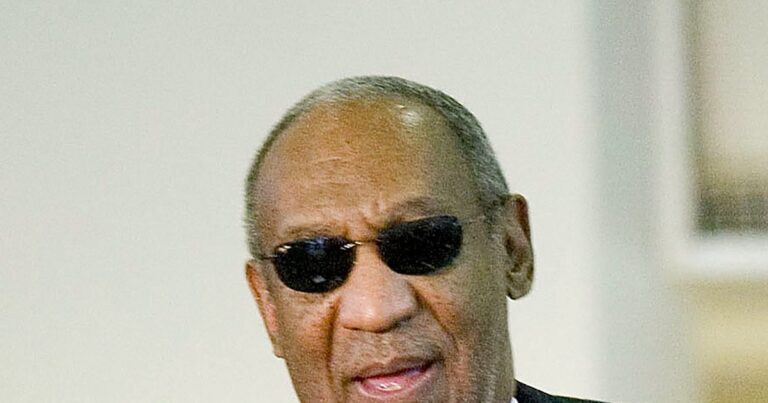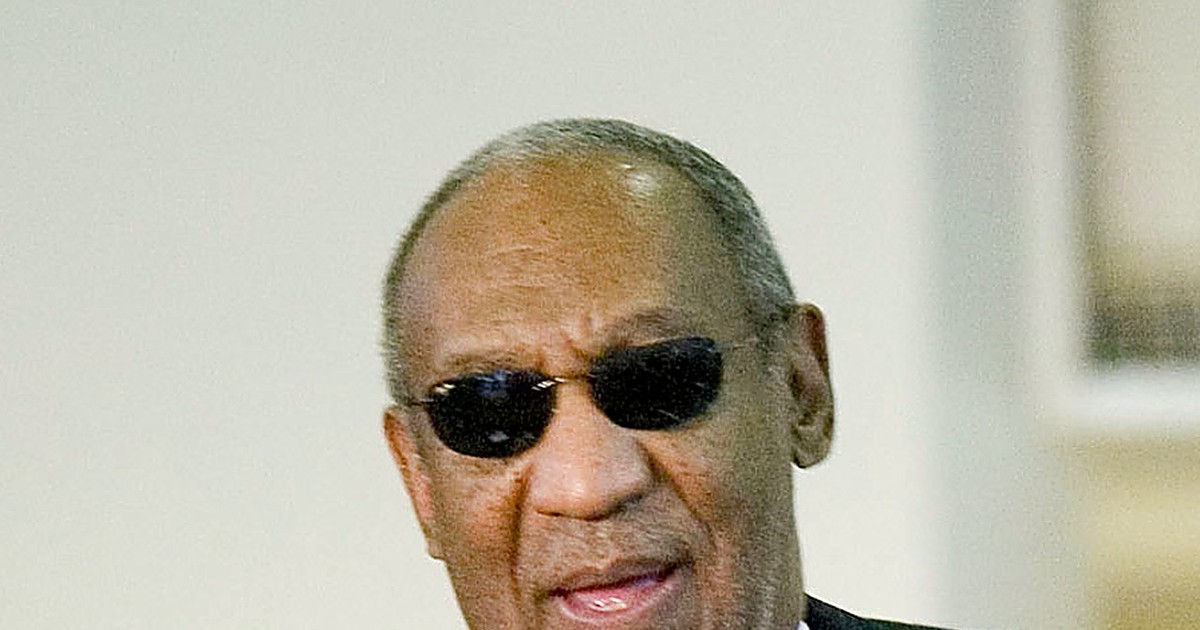
Top photo: United States Navy photo by Mr. Scott King / Public domain, via Wikimedia Commons
On September 20, 1984, American television viewers were introduced to a family whose everyday arguments, affectionate teasing, and household troubles would become familiar to millions.
The first episode of The Cosby Show did not begin with an extraordinary adventure. Instead, it centered on something generations of parents could recognize immediately: a teenage son arriving home with a terrible report card and a father determined to teach him a lesson.
That father was Dr. Heathcliff Huxtable, played by Bill Cosby. His son was Theo, played by Malcolm-Jamal Warner. And the lesson involved something that seemed more appropriate for a family game night than a serious conversation about the future.
Monopoly money.
Originally broadcast on NBC, the pilot episode, also known as “Theo’s Economic Lesson,” established the Huxtable family’s mixture of comedy, parental concern, and ordinary domestic disagreements.
More than four decades later, its central father-and-son exchange remains one of the most recognizable moments from the show’s early years.
The Report Card That Started Everything
The episode begins its central storyline when Clair Huxtable, played by Phylicia Rashad, discovers that Theo has received four D’s on his report card.
For Clair, the grades are unacceptable. She believes her son needs to take school more seriously, and she expects Cliff to address the problem.
But Theo has his own explanation.
He does not believe he needs excellent grades because he has no particular desire to attend college. Instead, he imagines himself becoming an ordinary working person who earns a modest living.
To Theo, this sounds perfectly reasonable. Not everybody becomes a doctor or lawyer, and he does not see why his parents should expect him to follow their professional paths.
Cliff recognizes that the argument is not simply about grades. His son has formed an appealing picture of adult independence without fully considering what everyday expenses might mean.
Rather than beginning with a long lecture, Cliff decides to make the consequences visible.
He turns to a familiar board game.

Cliff’s Unforgettable Monopoly Money Lesson
Cliff uses Monopoly money to demonstrate what earning a living and managing a household budget might actually involve.
He gives Theo an imaginary income and then begins working through the costs that adults must face.
The money looks impressive at first. Theo can picture himself earning a paycheck, paying his own way, and enjoying independence from his parents.
But the calculation changes when Cliff begins accounting for ordinary expenses.
Housing, food, transportation, and other necessities reduce the amount of money available for personal spending.
The demonstration turns what initially seemed like a comfortable income into a much more complicated financial situation.
For viewers, the humor comes from Theo’s gradual discovery that earning money is not the same as having money left over.
The Monopoly bills make the conversation especially memorable. Instead of simply telling Theo that life is expensive, Cliff gives him a playful demonstration he can follow.
It is a scene that combines a familiar parental frustration with a practical idea: children may understand adult responsibilities more clearly when those responsibilities are made concrete.
Yet the episode does not end with the financial exercise.
The most important conversation between father and son is still to come.
Theo’s Emotional Speech Changes the Conversation
After the economics lesson, Theo offers his father a different argument.
He explains that his affection for his family does not depend on their professional accomplishments or income.
Even if Cliff were not a successful doctor, Theo believes he would still love and respect him.
He wants his father to extend the same acceptance to him, even if he does not become academically successful or pursue a prestigious profession.
It is an emotional appeal, and for a moment it appears that Theo may have found the perfect response.
But Cliff is not convinced.
He rejects the idea that Theo should use being an ordinary person as a reason to stop trying in school.
Cliff’s position is not that everyone must become wealthy or pursue the same career. His concern is that Theo is lowering his expectations before discovering what he is capable of achieving.
The father ultimately tells his son that he loves him and expects him to make a genuine effort.
That distinction gives the scene its emotional center.
For Cliff, parental love does not mean ignoring poor choices or accepting excuses. He wants Theo to understand that being loved and being held accountable are not opposites.
The exchange also gives viewers an early understanding of the relationship between these characters.
Theo can challenge his father, but Cliff will challenge his son in return.
Denise’s Date Gives Cliff Another Reason to Worry
While Theo’s report card provides the main storyline, the pilot also introduces another familiar parenting concern.
Denise Huxtable, played by Lisa Bonet, is preparing to go out with an older man.
Cliff becomes increasingly uncomfortable as he learns more about the young man’s background.
According to the episode’s published summaries, Denise’s date is a former merchant marine who has spent time in a Turkish prison.
For a protective father, that is hardly reassuring information.
The situation offers another opportunity for comedy, this time focusing on the awkward relationship between a teenager’s independence and a parent’s desire to protect her.
Denise wants to make her own choices. Cliff, meanwhile, cannot help asking questions.
The contrast gives the episode a second family conflict without distracting from its central father-and-son lesson.
It also introduces another side of Cliff’s personality.
He may have considerable professional experience, but dealing with his children’s personal decisions can still leave him surprised and uncomfortable.
The Wolf Man Ruins a Quiet Night
After the disagreements about grades and dating, Cliff and Clair hope to enjoy a peaceful evening together.
That plan does not last.
Their younger daughters, Vanessa and Rudy, interrupt because Rudy is frightened by what she believes is a wolf man in her closet.
Vanessa is played by Tempestt Bledsoe, while Rudy is played by Keshia Knight Pulliam.
The frightened children eventually join their parents in bed, putting an end to Cliff and Clair’s hopes for a quiet night alone.
The moment serves as a gentle comic conclusion to the episode.
Throughout the evening, Cliff has tried to help one child understand money, questioned another child’s romantic choices, and worked through disagreements with Clair.
Now, even bedtime refuses to cooperate.
The scene captures another recognizable truth about family life: parents may have professional responsibilities and personal plans, but their children have a remarkable ability to interrupt both.
It also balances the more serious conversation with Theo. The episode begins with parental frustration and ends with the family gathered together in a humorous domestic situation.
How the 1984 Pilot Introduced the Huxtable Family
The Cosby Show premiered on NBC on Thursday, September 20, 1984.
The first episode was directed by Jay Sandrich and written by Ed. Weinberger and Michael J. Leeson.
The series centered on the Huxtables, an African American family living in Brooklyn, New York.
Cliff worked as a physician, while Clair was a lawyer. Their professional lives provided part of the family’s background, but the show’s stories frequently concentrated on everyday situations at home.
The pilot presented several of those situations immediately: academic struggles, disagreements about dating, younger children’s fears, and the challenge of finding a peaceful moment at the end of a busy day.
Its cast helped establish the family relationships that would remain central to the series.
Bill Cosby portrayed Cliff, Phylicia Rashad played Clair, Malcolm-Jamal Warner appeared as Theo, Lisa Bonet played Denise, Tempestt Bledsoe portrayed Vanessa, and Keshia Knight Pulliam played Rudy.
Another Huxtable daughter, Sondra, was introduced later in the first season rather than appearing in the pilot.
Over its eight-season run, the series returned repeatedly to family disagreements, education, and changing relationships between parents and children.
Its place in television history is also inseparable from the later criminal proceedings and public controversy surrounding Bill Cosby. Those events complicate how audiences remember the show today, even as its original episodes remain part of the historical record of American television.
Looking specifically at the pilot, its storytelling relies on recognizable family disagreements rather than spectacular circumstances.
Parents worry about their children’s future. Teenagers want greater independence. Younger siblings seek reassurance when frightened.
And sometimes an ordinary board game becomes an unexpected teaching tool.
That combination established the basic storytelling approach audiences encountered when the show first appeared.
For viewers who watched the premiere in 1984, the Monopoly money lesson offered an early glimpse of the relationship between Cliff and Theo.
For those discovering the episode years later, it remains an example of how a short family comedy can turn a conversation about school grades into a larger discussion about ambition, responsibility, and unconditional love.
Do you remember watching The Cosby Show’s first episode? And what stood out most to you—Theo’s Monopoly money lesson, Denise’s unusual date, or Rudy’s fear of the wolf man?
Share your memories in the comments.
Sources
- tvmaze.com
- tv.apple.com
- imdb.com
- imdb.com
- rottentomatoes.com
- thetvdb.com
- academics.cehd.umn.edu
- Wikipedia: List of The Cosby Show episodes