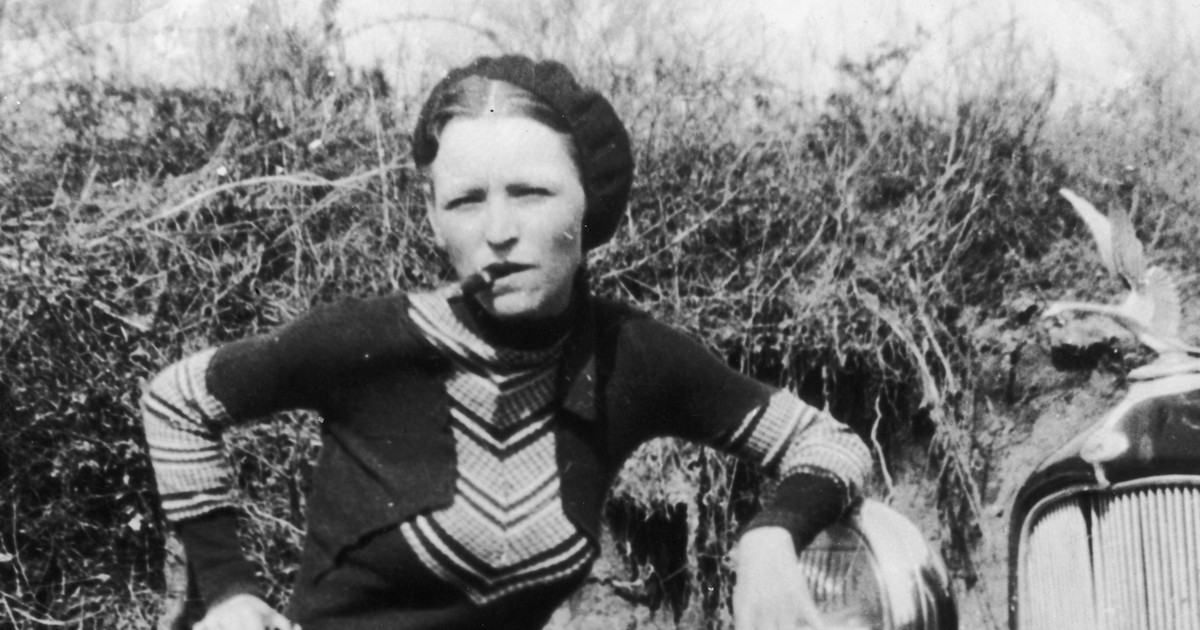
Top photo: Buck Barrow or Clyde Barrow / Public domain, via Wikimedia Commons
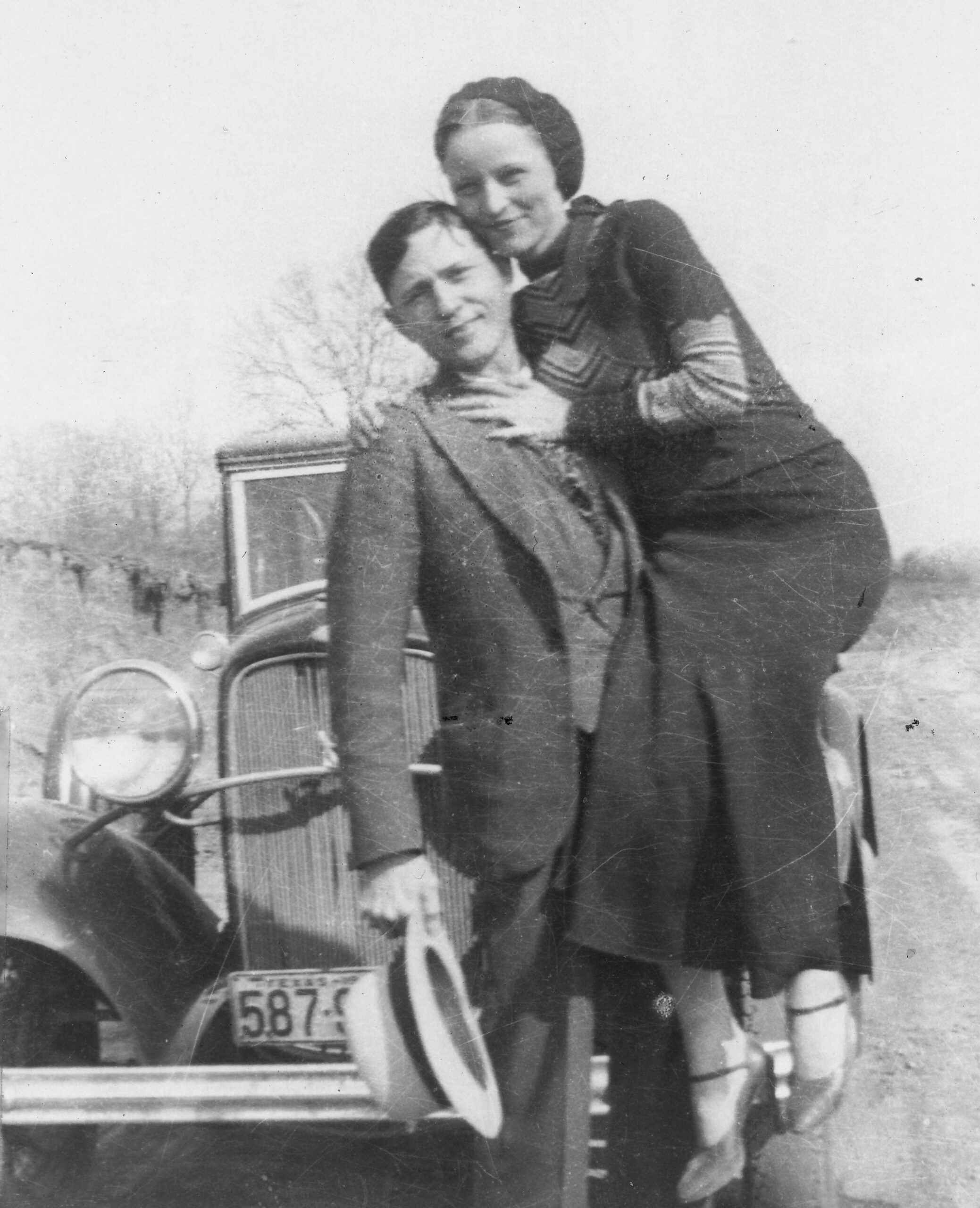
They were young, they were in love, and they posed for the camera like movie stars. That is how many people still picture Bonnie Parker and Clyde Barrow. The real story is darker, sadder and far more dangerous than the legend.
A Waitress and a Small-Time Thief
Bonnie Elizabeth Parker was born on October 1, 1910, in Rowena, Texas. Clyde Chestnut Barrow was born on March 24, 1909, and grew up poor near Dallas. The most trusted account says they met on January 5, 1930, at a friend’s house in West Dallas. He was 20, she was 19, and they fell hard for each other.
It was the depths of the Great Depression. Jobs were scarce, and Clyde was already a small-time thief. Over the next two years, he and Bonnie became the centre of what newspapers called the Barrow Gang. At different times it included Clyde’s brother Buck, Buck’s wife Blanche, W. D. Jones, Raymond Hamilton, Henry Methvin and others.
Their crimes were rarely the big bank jobs of Hollywood films. Most were robberies of small stores and rural gas stations, along with car thefts and some bank raids. But the gang was quick to shoot. They are believed to have killed at least nine police officers and several civilians, about a dozen people in all.
The Film Left Behind in Joplin
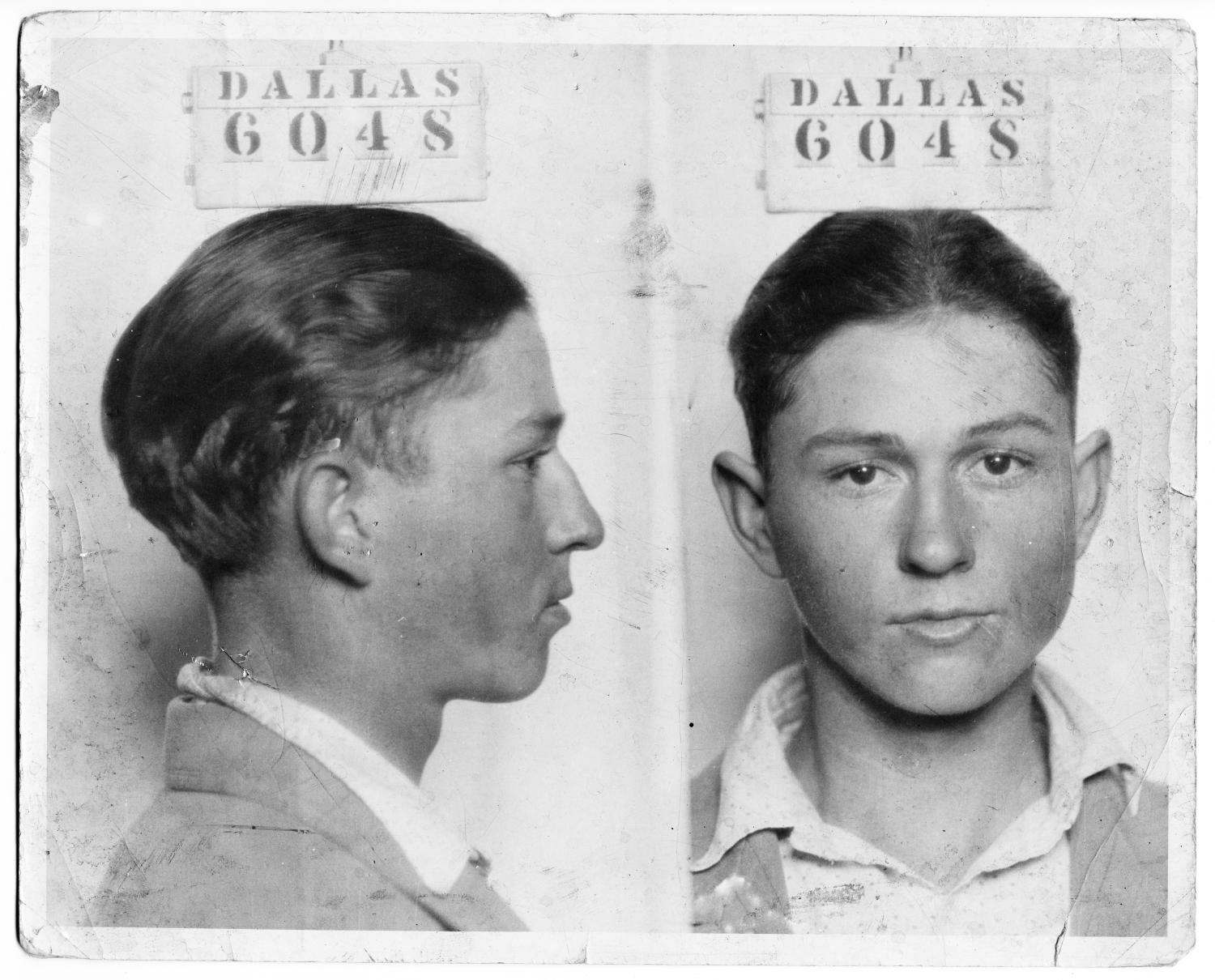
On April 13, 1933, police in Joplin, Missouri, went to a garage apartment where the gang was hiding. A gunfight broke out. Detective Harry McGinnis was killed, and Constable J. W. Harryman was fatally wounded. The gang escaped, but in their rush they left almost everything behind: guns, a poem Bonnie had written, and a roll of undeveloped film.
The Joplin Globe developed that film. The pictures showed the couple joking around with their guns and cars. One shot showed Bonnie leaning on a car with a pistol in her hand and a cigar in her mouth. Newspapers across the country printed it, and almost overnight two Texas outlaws became national celebrities.
The Breakout and the Easter Killings
On January 16, 1934, Clyde helped organise a raid on the Eastham Prison Farm in Texas to free Raymond Hamilton, Henry Methvin and other prisoners. A guard, Major Joe Crowson, was shot during the escape and died days later.
Then, on Easter Sunday, April 1, 1934, two young highway patrolmen, H. D. Murphy and Edward Bryan Wheeler, were shot dead near Grapevine, Texas. One witness claimed Bonnie fired the fatal shots, a story that was later discredited. But public sympathy for the couple turned to fury, and rewards were offered for their capture.
The Man Who Hunted Them
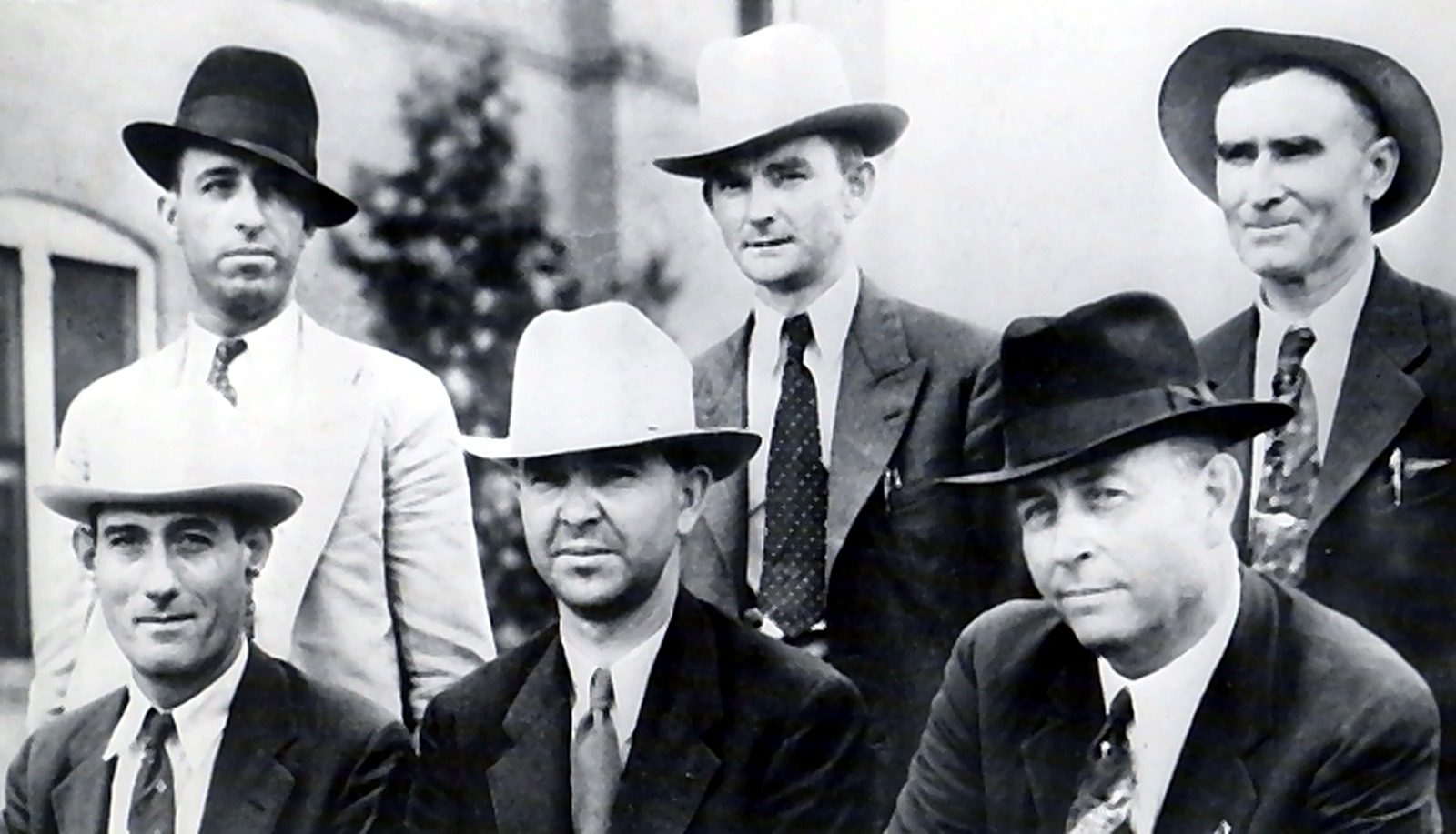
By then the state of Texas had brought in Frank Hamer, a famous former Texas Ranger. For weeks he followed their trail across several states, learning their habits and the roads they liked to use.
He eventually put together a posse of six men: Hamer, Ted Hinton, Bob Alcorn and Maney Gault from Texas, and Sheriff Henderson Jordan and his deputy Prentiss Oakley from Louisiana. Their plan depended on the family of gang member Henry Methvin, whose father lived in Bienville Parish, Louisiana. Accounts still differ on exactly what part Methvin’s father played that morning.
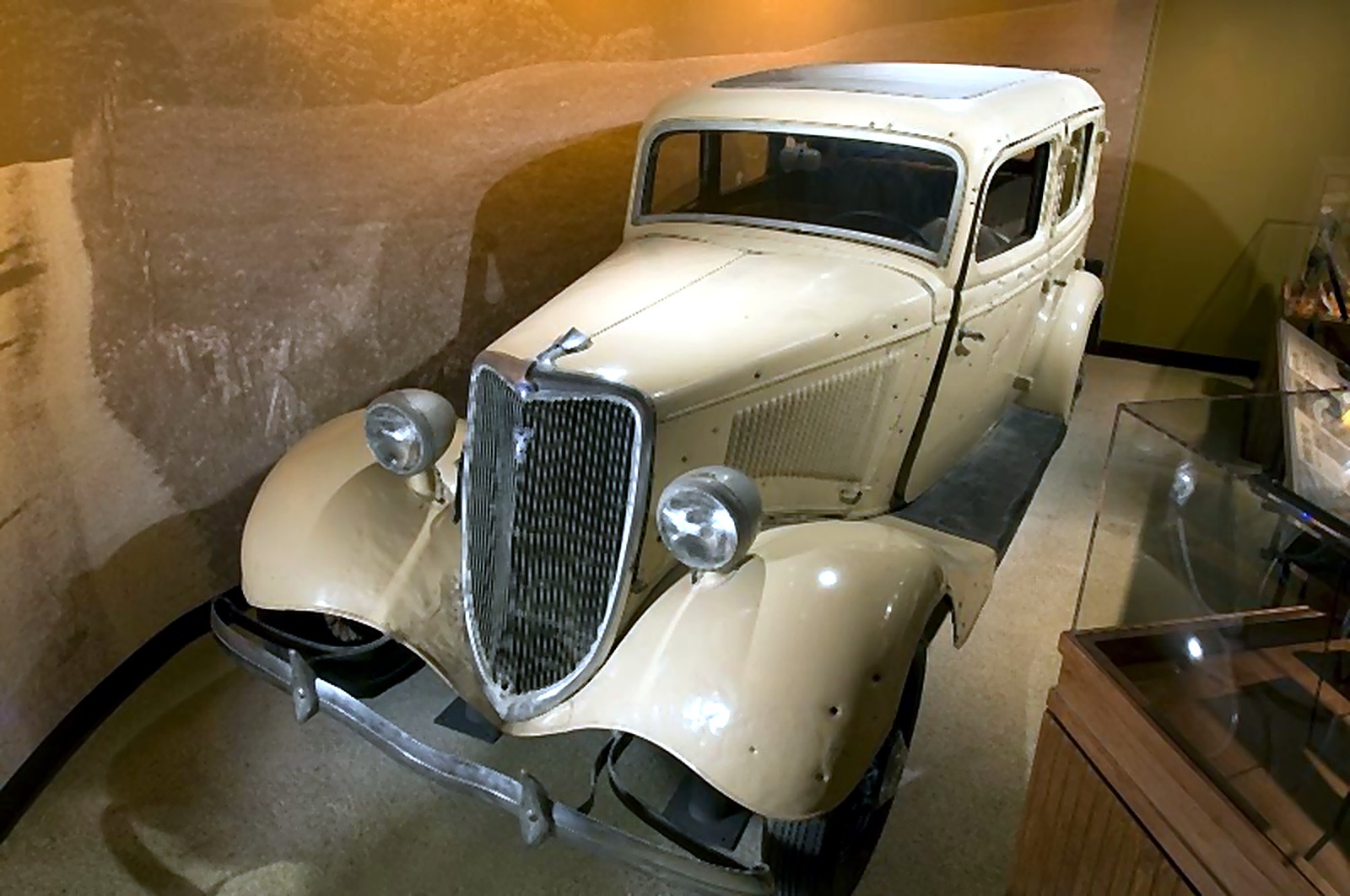
May 23, 1934
At about 9:15 in the morning, on a quiet stretch of Highway 154 south of Gibsland, Louisiana, the posse lay waiting in the brush. A Ford V8 came down the road. It was Clyde and Bonnie.
The lawmen opened fire and kept firing, about 130 rounds in all. The car was left riddled with bullet holes. Inside, officers found more than a dozen guns, thousands of rounds of ammunition and 15 sets of licence plates. Bonnie was 23. Clyde was 25.
Crowds, Funerals and a Legend
Word spread fast. The crowd in the nearby town of Arcadia reportedly grew from about 2,000 to 12,000 people within hours. Clyde’s private funeral was held in Dallas on May 25. More than 20,000 people came to Bonnie’s funeral the next day.
In 1967 the film Bonnie and Clyde, with Warren Beatty and Faye Dunaway, turned the pair into glamorous anti-heroes all over again. It was a huge hit, but it was far from accurate. The real story includes the officers who never came home, and the families who had to live with that loss.
Do you remember older relatives talking about Bonnie and Clyde, or seeing the 1967 film when it came out? What do you think made America so fascinated by them? Tell us in the comments.