Some television mysteries begin with an ordinary-looking house and a story that makes you wonder what might have happened behind its walls. That was the unsettling idea at the heart of The Dead Files, a paranormal investigation series that paired historical detective work with claims of communication with the dead.
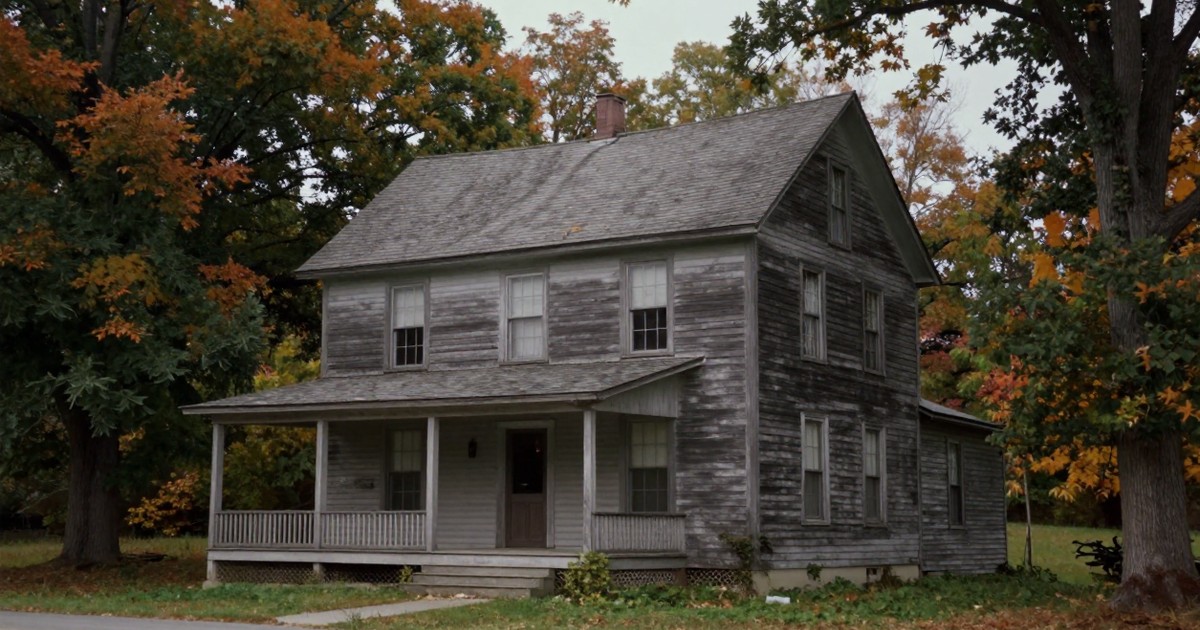
The series opened with “Evil in Erieville,” an investigation set in a farmhouse in rural Erieville, New York. First aired on September 23, 2011, the episode introduced viewers to two investigators with very different approaches: Amy Allan, who describes herself as a physical medium, and Steve DiSchiavi, a retired homicide detective.
Their first case set the tone for the series. One investigator explored the property’s reported paranormal activity, while the other examined its history and the stories connected to it. The result was a mystery built around a simple but unsettling question: what might the past reveal about a house that its current occupants find frightening?
A Farmhouse With a Troubled Story
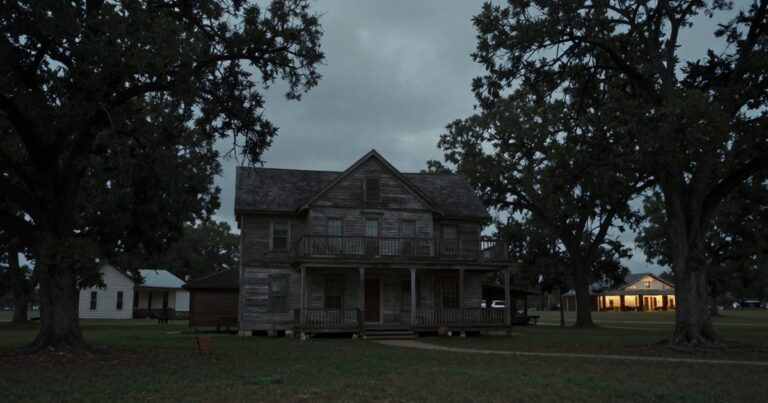
“Evil in Erieville” takes place in a rural New York farmhouse whose history is central to the investigation. According to the episode guide, Amy and Steve uncover accounts of a murderous past associated with the property, including a mother’s crime and what the program describes as a dangerous portal.
Those details give the premiere a different feel from a simple tour of a supposedly haunted house. The investigators are not merely looking for strange noises or unexplained movements. They are trying to connect the experiences reported at the property with the stories that may have shaped its reputation.
Historical claims are an important part of the episode’s setup, but viewers should distinguish between what the program presents and what independent historical records establish. The episode guide summarizes the case; it does not, by itself, verify every paranormal interpretation or historical allegation associated with the farmhouse.
That distinction is part of what makes the episode interesting. A house can carry generations of stories, and an investigation can raise questions without proving that every explanation offered is correct.
Two Investigators, Two Different Approaches
Amy Allan and Steve DiSchiavi are the central pairing in The Dead Files. Their contrasting methods became a defining feature of the show’s format, giving viewers two separate perspectives on each location.
Allan approaches the case as a physical medium. During her investigation, she describes impressions and experiences that she interprets as paranormal. Her part of the process relies on those claimed perceptions rather than conventional historical research alone.
DiSchiavi brings a different background to the screen. A retired homicide detective, he investigates the property’s history, follows leads, and examines accounts connected to the location. His work gives the story a more familiar investigative structure, with an emphasis on information that can be researched and checked.
The two do not simply follow one another around the house. The show’s format keeps their investigations separate until the findings are brought together. That arrangement creates anticipation: viewers see two different accounts develop before the program reveals how the investigators’ conclusions compare.
Why the Separate Investigations Matter
The format is one of the reasons “Evil in Erieville” works as an introduction to the series. Rather than having both investigators discuss every discovery as it happens, the episode allows each to build an account independently.
Steve’s research focuses on the people and events associated with the farmhouse. Amy’s walk-through focuses on the experiences she interprets as evidence of paranormal activity. Their findings are then presented together, allowing viewers to consider the similarities and differences between the two approaches.
For fans of mystery programs, that structure offers two kinds of suspense. There is the historical question of what happened at the property, and there is the question of whether the investigators’ separate findings will appear to connect.
It is worth remembering, however, that a dramatic television reveal is not the same as independent proof of a supernatural explanation. The show presents the case through its own investigative framework, leaving viewers to decide how they interpret what they see.
The Premiere That Introduced The Dead Files
“Evil in Erieville” aired on September 23, 2011, as the first episode of the show’s first season. Its location, historical mystery, and two-investigator format established the basic pattern that viewers would encounter in later investigations.
The episode also introduced the show’s blend of crime-related history and paranormal storytelling. Instead of treating a reported haunting as an isolated event, the investigation looks backward, searching for stories that might explain why a location has become associated with fear.
That combination can be especially appealing to viewers who enjoy old houses, local history, unsolved questions, and documentary-style mysteries. The farmhouse becomes more than a setting: it is the center of a story that asks viewers to weigh historical information alongside claims that are much harder to verify.
The episode’s title is direct, but the appeal lies in the investigation itself. Amy and Steve approach the same location from different directions, and the program builds its tension around what each believes the evidence reveals.
Why “Evil in Erieville” Still Makes a Memorable First Case
A series premiere has a particular job. It must introduce its main personalities, explain the format, and give viewers a reason to return. “Evil in Erieville” does all three through a farmhouse investigation that combines an unsettling reported history with two very different styles of inquiry.
For viewers who enjoy paranormal television, Amy’s reported experiences provide the supernatural side of the mystery. Steve’s historical investigation offers another route into the story, focusing on people, events, and information connected to the property.
The lasting question is not simply whether a house is haunted. It is how people make sense of unusual experiences, how stories about places develop, and what can be established when a television investigation revisits the past.
That blend of history, mystery, and competing interpretations made “Evil in Erieville” a fitting introduction to The Dead Files. It invited viewers into a case where the house itself was only the beginning of the story.
Do you remember watching The Dead Files for the first time? Was it Amy’s walk-throughs, Steve’s historical research, or the way their findings came together that kept you watching? Share your memories in the comments.