Top photo: FBI / Public domain, via Wikimedia Commons
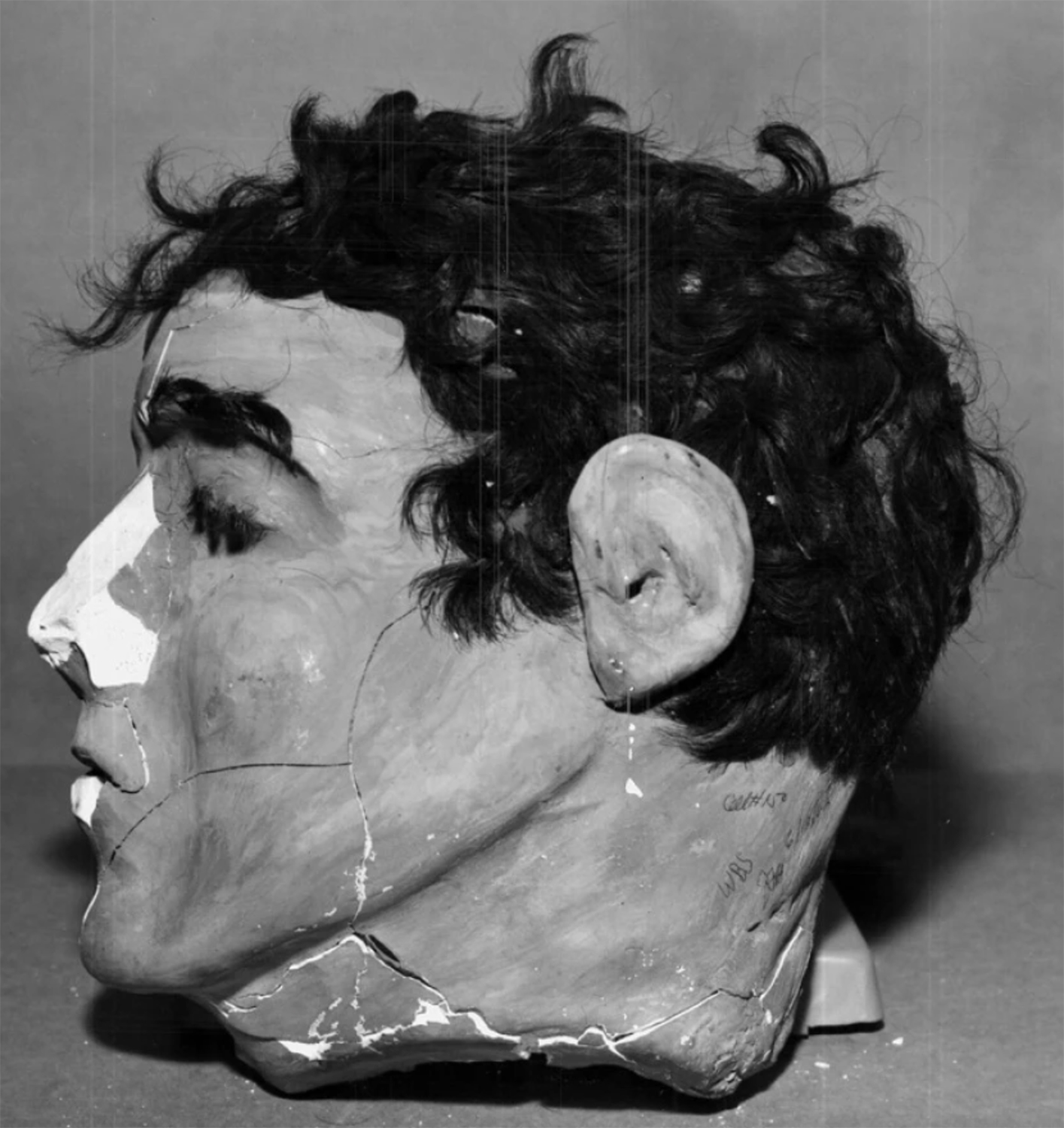
At seven o’clock on the morning of June 12, 1962, a guard at Alcatraz Federal Penitentiary walked along the cellblock doing what guards had done every morning for decades: waking the inmates. In one cell, Clarence Anglin seemed to be sleeping right through the bell. The officer reached in to rouse him – and the man’s head rolled off the pillow and onto the floor.
It wasn’t a head at all. It was a carefully painted dummy, made of soap, toothpaste, concrete dust and toilet paper, topped with real human hair swept up from the prison barbershop. Soon afterward, two more dummies were found in two more beds. Three of the most closely guarded men in America had vanished from “The Rock” – and more than sixty years later, nobody can say for certain where they went.
The Men Behind the Plan
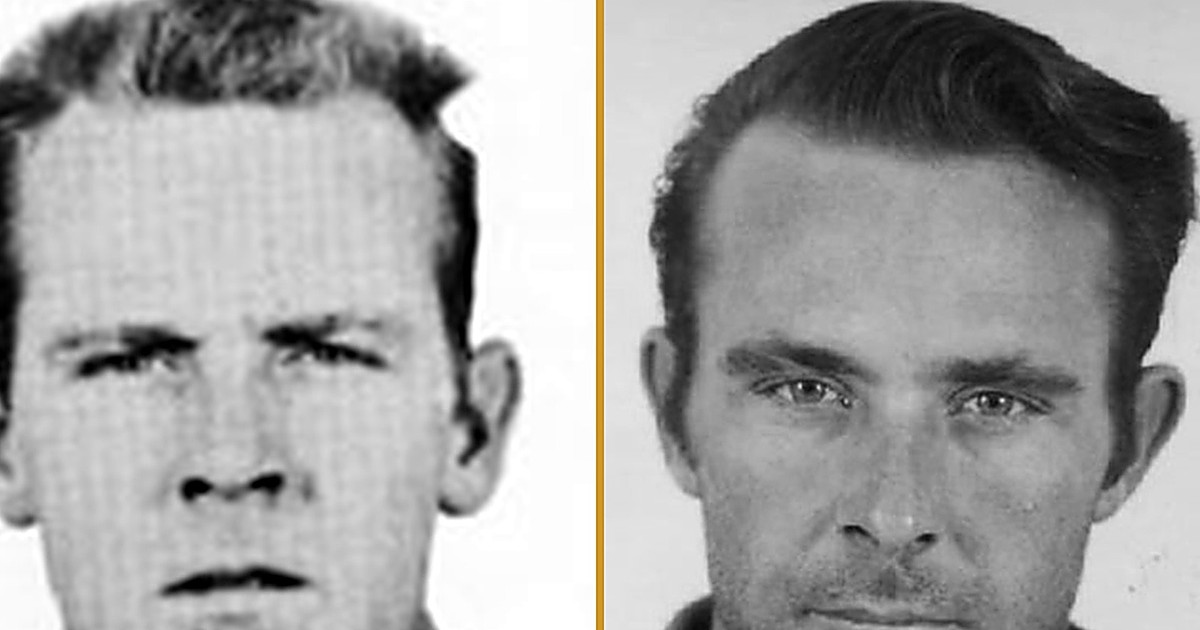
Frank Lee Morris had spent most of his life behind bars. Orphaned at eleven and raised in foster homes, he was convicted of his first crime at thirteen. Prison tests later put his IQ at 133, in the top two percent of the population. He had already escaped once, from the Louisiana State Penitentiary in 1955, before being recaptured and finally sent to Alcatraz in January 1960 as inmate AZ1441.
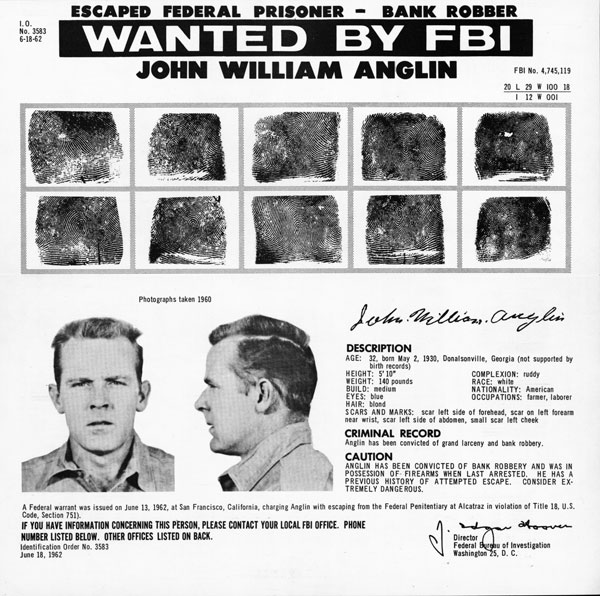
John and Clarence Anglin were two of thirteen children from a family of seasonal farmworkers in Georgia and Florida. As boys they were inseparable, and famously strong swimmers – their siblings remembered them swimming in Lake Michigan while ice was still floating on the water. As young men, they became bank robbers. After a 1958 robbery in Columbia, Alabama, the brothers were sent to federal prison, tried to escape more than once, and were eventually moved to Alcatraz.
A fourth man, Allen West, was in on the plan too. As we will see, that turned out to be the luckiest – or unluckiest – twist of all.
Six Months of Quiet Work
The escape was a masterpiece of patience. Over roughly six months, the men chipped away at the small ventilation grilles beneath the sinks in their cells, using discarded saw blades, spoons smuggled from the mess hall and a homemade drill built from the motor of a vacuum cleaner. They hid their progress behind painted cardboard, and Morris covered the noise by playing an accordion during the prison’s daily music hour.
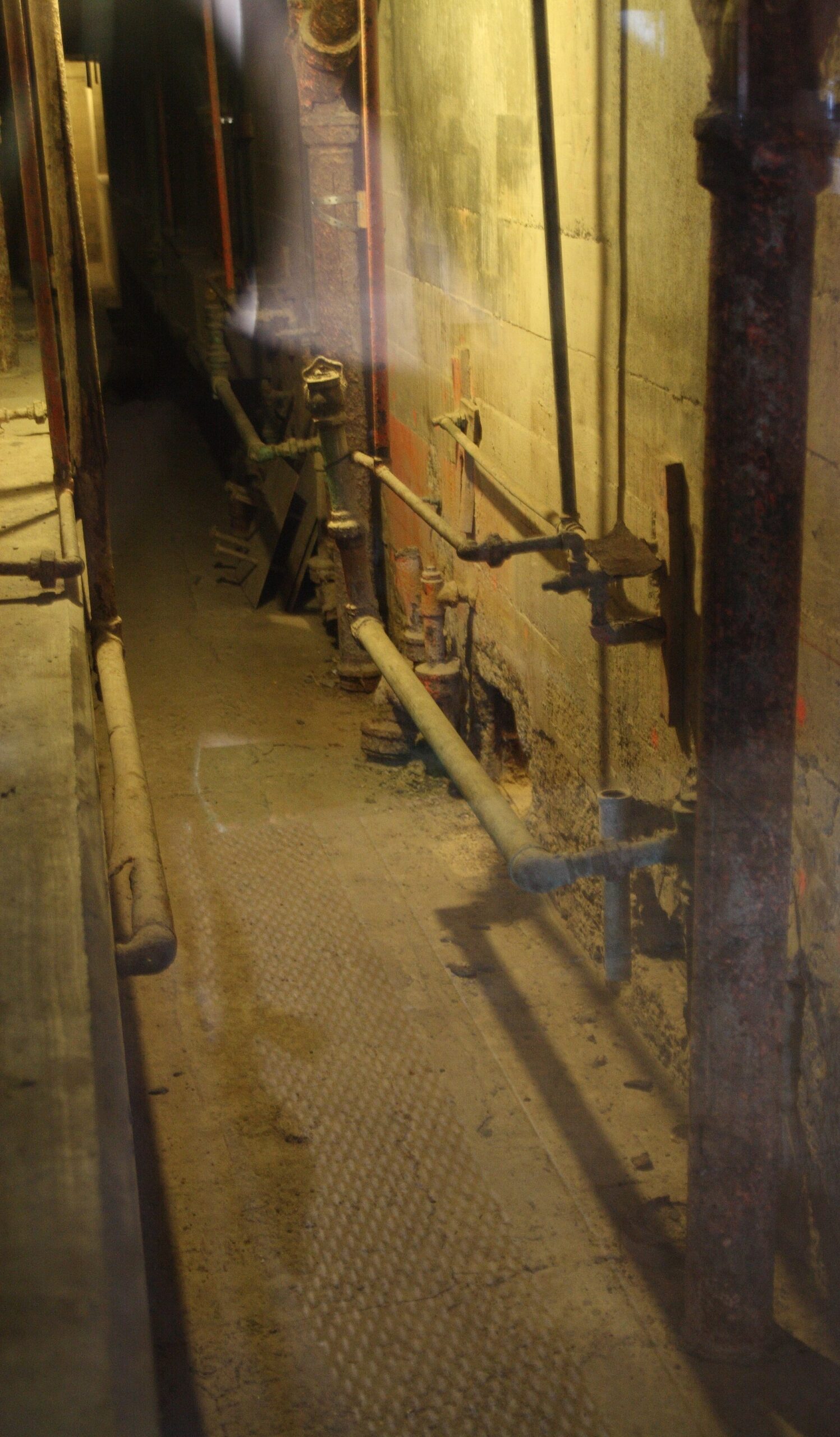
Once the holes were big enough, they slipped into the unguarded utility corridor behind their cells and climbed to an empty upper level of the cellblock, where they set up a secret workshop. There, using more than fifty stolen and donated raincoats, they built life preservers and a six-by-fourteen-foot rubber raft, its seams stitched by hand and sealed with heat from the steam pipes. Some of their ideas came straight from magazines, including the March 1962 issue of Popular Mechanics. Paddles were made of plywood. Every night the dummy heads lay in the beds below, “sleeping” for them.
The Night of June 11, 1962
After lights out at 9:30 p.m., the men made their move. Morris and the Anglin brothers set their dummies on their pillows and crawled out for the last time. But Allen West had a problem: the cement he had used to patch the crumbling concrete around his own vent had hardened, fixing the grille in place. Precious minutes ticked by. The others could not wait.
Morris and the Anglins climbed a ventilation shaft to the roof, slid fifty feet down a kitchen vent pipe to the ground, and scaled two twelve-foot barbed-wire fences. On the island’s northeast shore – a blind spot for the searchlights and gun towers – they inflated their raft using a concertina modified into a bellows. At about 10 p.m., the three men pushed off into the cold, dark water of San Francisco Bay.
By the time West finally forced his way out, his partners were gone. He climbed back down and returned, exhausted, to his cell.
What They Left Behind
The search that followed was enormous: ten days of air, sea and land patrols. On June 14, a Coast Guard cutter picked up a paddle floating off Angel Island. Workers on another boat found a wallet wrapped in plastic, holding the names, addresses and photographs of the Anglins’ friends and relatives. Two life vests turned up over the following week. Nothing else was ever recovered.
That same night, a San Francisco police officer had reported seeing a boat near Alcatraz that later headed toward the Golden Gate Bridge – fuel for the theory that someone had been waiting to pick the men up. The FBI dismissed the report.
A Mystery That Refuses to Close
In 1979, the FBI officially concluded that Morris and the Anglin brothers most likely drowned in the icy waters of the bay. But the U.S. Marshals Service never closed its file, and the three men stayed on its wanted lists for decades. Over the years, family members, reporters and amateur sleuths have put forward theory after theory – and every so often a new clue surfaces, keeping alive the question of whether the three men might have made it after all.
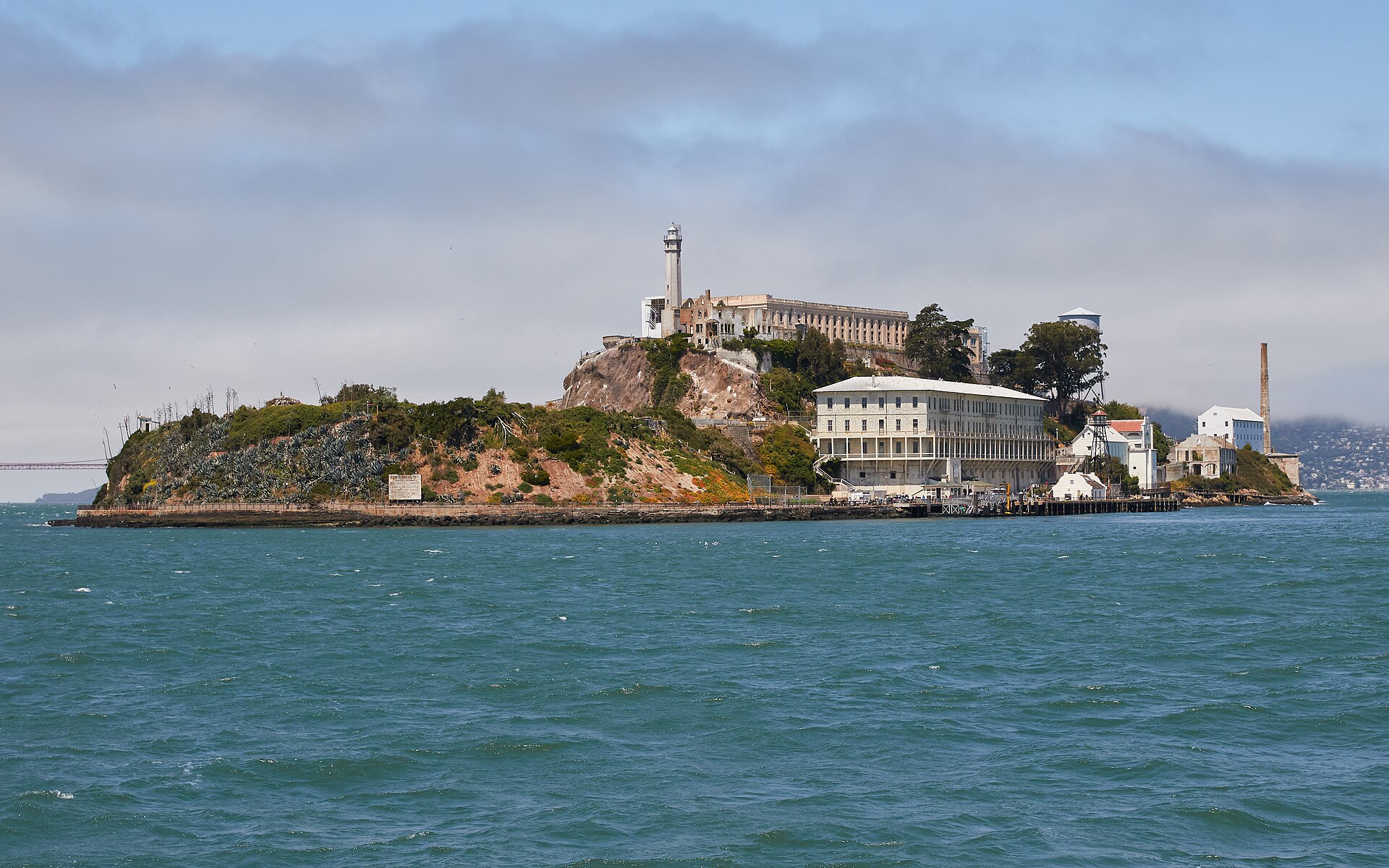
Alcatraz itself closed as a federal prison less than a year later, in 1963. Today, visitors can stand in the cellblock and look at the very openings the men carved under their sinks. The real ending of the story, though, went out with the tide that June night – and it has never come back.
What do you believe happened to Frank Morris and the Anglin brothers? Did they drown in the bay, or did they slip away to start new lives? Tell us your theory in the comments.