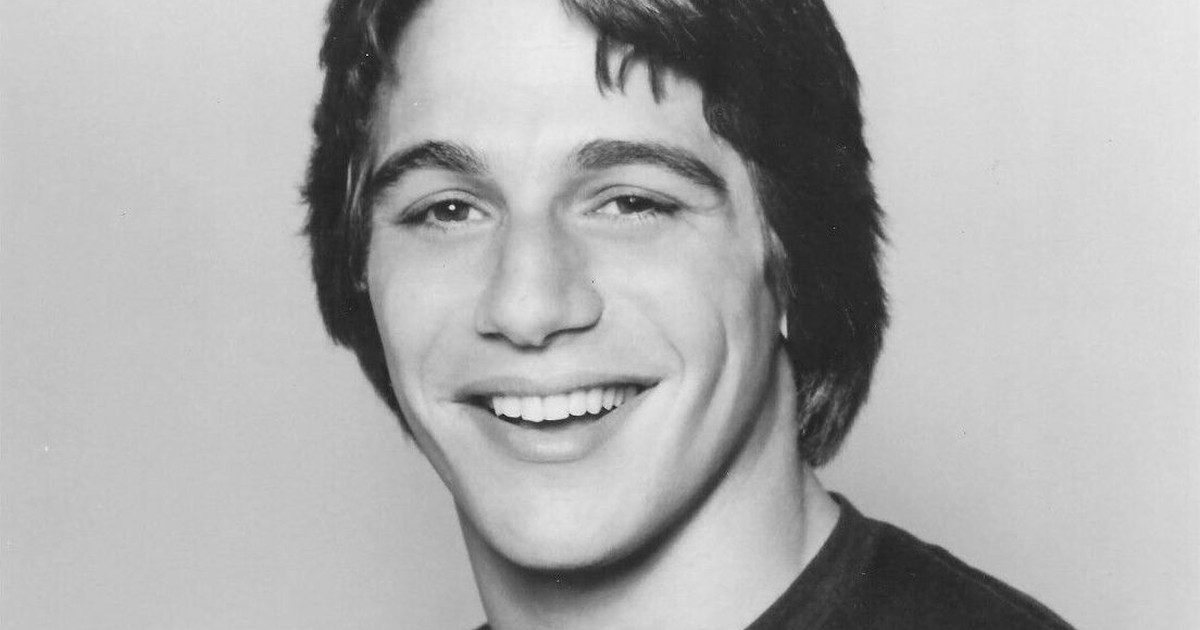
Top photo: ABC Television / Public domain, via Wikimedia Commons
If you were home on a Thursday night in the late 1970s, you probably remember the sound of a piano drifting in over a Checker cab crossing a bridge. For a certain generation, that moment meant the dishes could wait. What followed was half an hour in a grimy Manhattan garage with a dispatcher who hollered through a cage and a handful of drivers who kept hoping for something better. Here is how that half hour got made.
It Began With a Magazine Piece
The seed was journalism. Mark Jacobson wrote “Night-Shifting for the Hip Fleet” for New York magazine in the fall of 1975, spending time with the men behind the wheel on the late shift at a city cab outfit. James L. Brooks and his partner David Davis read it and saw a workplace in it — a whole cast of characters locked together in the small hours.
What is funny is how little of it survived the trip. Almost none of the article’s actual material ended up in a script. The piece supplied the spark; the writing staff supplied everything else.
Four Writers Who Already Knew Each Other’s Jokes
The creators came as a matched set: Ed Weinberger, David Davis, Stan Daniels and James L. Brooks. All four had just finished The Mary Tyler Moore Show, which wrapped in 1977, and that shared training shows on screen. They knew how to write for an ensemble where the laughs come out of people who care about each other and would never say so.
Taxi was made by the John Charles Walters Company with Paramount Network Television, and it landed on ABC on September 12, 1978.
The Dispatcher Who Insulted His Way Into the Job
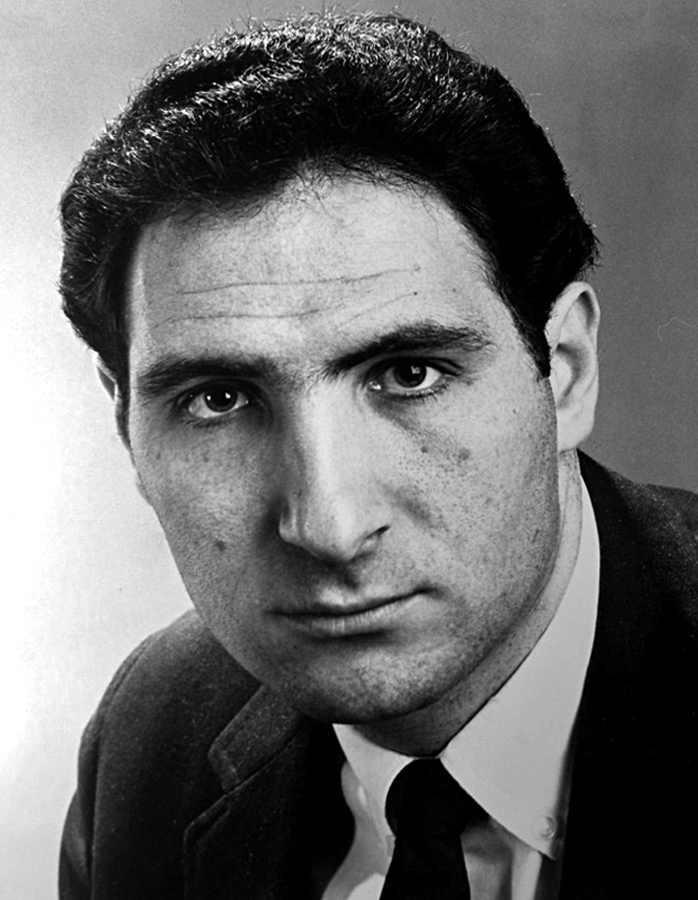
Danny DeVito’s audition is the story the cast still tells. He came in to read for Louie De Palma, looked over the pages, and asked the writers a blunt and unprintable question about who had written them. Then he threw the script down on the table, and the pages fell on the floor.
“They fell on the floor,” DeVito recalled later. “Louie walked into their lives.”
He told the tale years afterward to AARP: The Magazine, and you can hear the glee in it. It is hard to imagine the part being won any other way.
Part of what made Louie work is that DeVito never apologized for him. The dispatcher bullies, cheats, spies and steals, and he is proud of all of it. He also goes home to his mother — played, in two episodes, by DeVito’s own mother, Julia. And his on-and-off girlfriend Zena was played by his real-life wife, Rhea Perlman, which gave those caged-in office scenes a strange domestic warmth beneath all the shouting.
The One Who Got Away, and Two Who Left
Bobby Wheeler, the vain actor forever waiting for his break, very nearly went to somebody else. Robin Williams was considered, but he was already committed to Mork & Mindy, so the role went to Jeff Conaway. Conaway played Bobby for three seasons, left at the start of the fourth, and returned once so the character could be written out properly.
The reason is unusually plain. Writer Sam Simon explained that when Conaway missed an episode, his dialogue was handed out to the other actors and played just fine. That told the producers everything they needed to know about how essential the part was.
John Burns, the young cabbie putting himself through forestry school, disappeared after year one. Randall Carver’s own assessment was that John and Tony Banta were too similar — the two men’s lines could be swapped almost without anyone noticing. There was no farewell episode and no explanation on screen. He was simply not there when the next season started.
Reverend Jim Was Only Supposed to Visit
Christopher Lloyd arrived in 1978 as a guest and never really left; by 1979 he was in the main cast. The writers quickly learned that Jim Ignatowski — a Harvard student undone by a single drug-laced brownie, whose real surname had been Caldwell and who changed it to Ignatowski after deciding the name backwards sounded like “Star Child” — could do almost anything. He could also, to everyone’s surprise including his own, sit down at a piano and play beautifully.
Carol Kane came aboard later, recurring from 1980 and then starring in the final season as Simka, a woman from Latka’s homeland but from a rival group that traditionally despises his. Andy Kaufman’s mechanic had started life in his stage act as the “Foreign Man,” a wide-eyed innocent who claimed the invented island of Caspiar in the Caspian Sea. When Kaufman grew tired of the gag and felt he had lost control of the character, the writers gave Latka multiple personalities — which let Kaufman slip into other roles, most memorably a smooth-talking lounge lizard called Vic Ferrari.
Look Closely and Everyone Is Related
The show is quietly full of family. DeVito’s mother played Louie’s mother, and his wife played Louie’s girlfriend. Tony Danza’s son Marc Anthony played Brian Sims, the boy in a wheelchair whose fight Tony dedicates himself to, and whom Tony later tries to adopt.
Two of the characters even borrowed their last names from people close to the production: Elaine’s came from Patricia Nardo, a writer and old friend of Brooks, and Banta’s from Gloria Banta, another writer and friend of his.
One Soundstage, Real Cabs, and a Fifteen-Second Shot
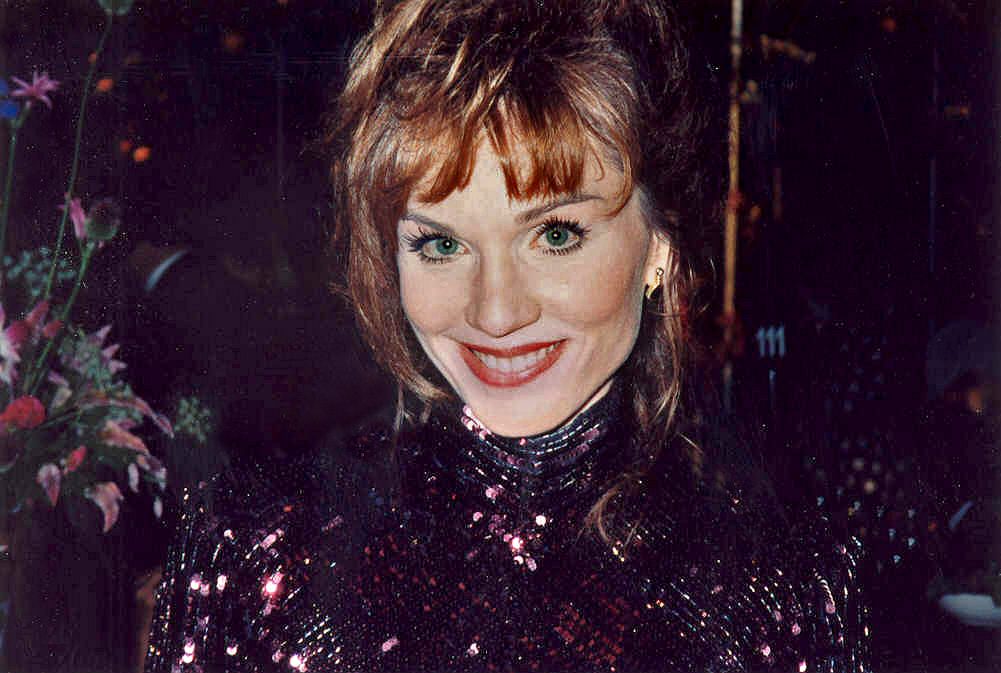
The entire series was shot on a single soundstage at Paramount in Los Angeles — Stage 23 — from the summer of 1978 through February 1983. The cabs parked in that garage were Checker A11s, that long, boxy shape you can still picture without trying.
And the opening? The shot of a cab heading east across the Queensboro Bridge was filmed at first as a short transition between scenes, barely a quarter of a minute of footage. It was stretched to fill the credits by repeating parts of it. Tony Danza is the one driving.
The Theme Song That Nearly Wasn’t
Bob James wrote “Angela,” and it was intended for a scene in the third episode, “Blind Date.” The producers heard it and preferred its melancholy to the bouncy tune they had already picked, a number called “Touchdown.” They managed to make the switch before the first episode aired. Both are on James’s 1978 album, also titled Touchdown. “Angela” runs on the chord progression of “Sunny,” which may be part of why it settles in so fast.
Guests Who Left a Mark
The guest list is a small museum of the era. Welterweight champion Carlos Palomino played himself and accidentally caught Danza in the face during a brief fight scene. Ruth Gordon won an Emmy for “Sugar Mama”; Eileen Brennan was nominated for “Thy Boss’s Wife.” Tom Hanks turned up as Jim’s college roommate in a flashback, and Martin Short played a failing network executive.
George Wendt and Ted Danson each did an episode, then followed primary director Jim Burrows to Cheers — as did Perlman.
The Ending, and the Bows That Weren’t Final
ABC dropped the show in 1982, and for a while it looked as though HBO might take it. When that fell through, NBC picked it up and left it in the same Thursday slot, right after the first season of Cheers. The promo captured the whole affair: DeVito, in character, promising “Same time, better station!” NBC canceled it for good in 1983, by which point much of the cast had become famous elsewhere.
The goodbye happened on Saturday Night Live, with DeVito hosting. In his monologue he read a letter supposedly from his mother, asking God to forgive ABC for canceling the show — though, she added, she would understand if He didn’t. The cast came out for a final bow, a farewell they had never been given. Then the network airing that very broadcast announced it was picking them up.
More than fifteen years later, most of the cast came back for Man on the Moon, playing their younger selves in recreated scenes. DeVito produced the film and played George Shapiro; Danza was on Broadway in A View from the Bridge at the time.
The tally: 114 episodes, 34 Emmy nominations, 18 wins, including three straight years as Outstanding Comedy Series. TV Guide’s ranking of television’s greatest characters put Louie De Palma in the top spot, with Jim Ignatowski at number 32. Andy Kaufman died in 1984, a year after the last episode aired, leaving behind a character nobody else could have played.
So the next time a rerun catches you on a weeknight, listen for that piano. It was almost a different song, over a shot that was almost cut. Some of the best things on television happen by accident, and a few of them happen because a short man walked into an audition and told the writers exactly what he thought. Did you watch Taxi the first time around, or did you find it in reruns? Tell us which character you’d have handed your fare to.