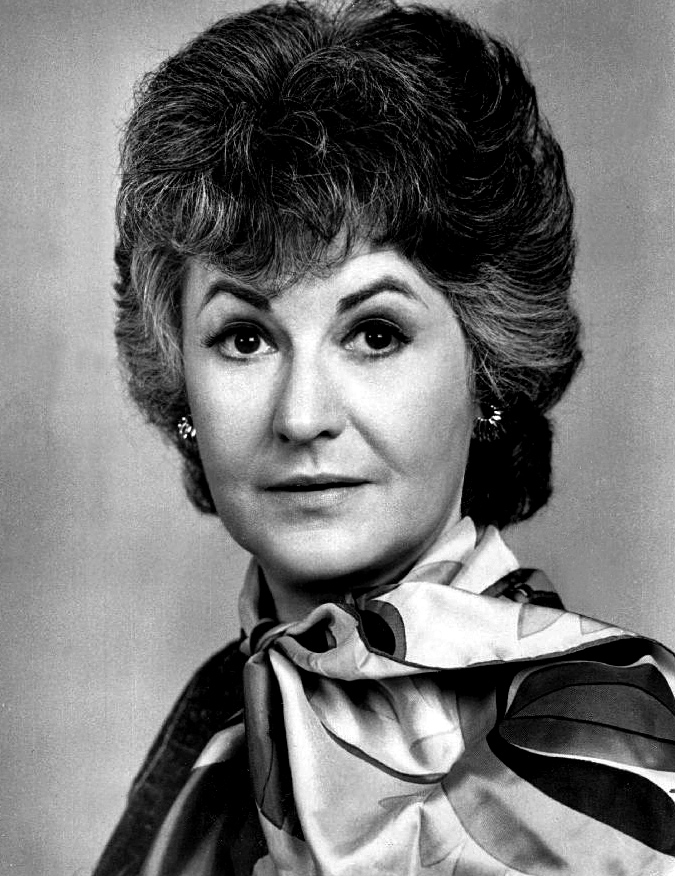
Top photo: GregoryButler / CC0, via Wikimedia Commons
Nighttime can change how we experience even the most familiar places. A room that seems ordinary during the day can feel different when it becomes quiet and dark. That contrast is one reason sleep-related fears have long been useful in horror storytelling.
INSOMNIA is the title of a horror short linked from the Cinemagic Pictures films page. Rather than inventing scenes or an ending, this article looks at the ideas suggested by that title and at the storytelling possibilities of sleeplessness, nighttime uncertainty, and vulnerability.
The filmmaker’s public films page contains a link to INSOMNIA, but the readable page text does not provide a detailed scene-by-scene synopsis of that short. The discussion below is therefore an editorial exploration of a horror theme, not a claim that every example appears in the movie.
Why the Title INSOMNIA Is Unsettling
Insomnia is an immediately recognizable word. It refers broadly to difficulty sleeping, whether that means struggling to fall asleep, staying asleep, or getting enough restorative rest.
For a horror audience, the title raises an intriguing possibility: how might ordinary nighttime unease change when sleep itself becomes uncertain?
Good horror often begins with something simple enough to understand without lengthy explanation. The desire to rest is one of those experiences. Viewers do not need a complicated backstory to recognize the discomfort of being tired and unable to relax.
That familiar feeling can become the starting point for suspense. The strength of the idea lies in its everyday nature, not necessarily in a spectacular monster or a complicated supernatural mythology.
The Difference Between Daytime and Darkness
During the day, people can usually identify the furniture, sounds, and movements around them without giving the surroundings much thought.
At night, fewer visual clues may be available. A faint noise can command more attention, and an otherwise unremarkable shadow may seem difficult to interpret.
For a horror storyteller, that shift creates room for anticipation. Viewers might be encouraged to pay attention to the spaces that a camera does not show, or to consider several possible explanations for an unexplained sound.
These are examples of techniques used in the horror genre generally. They should not be mistaken for a verified list of shots or incidents in INSOMNIA.
The important point is that uncertainty can be frightening even before anything definite happens.
When a Safe Place Feels Less Reassuring
A home or bedroom is normally associated with privacy and rest. Horror fiction frequently becomes more personal when it questions those expectations.
A threatening place does not have to be unfamiliar. In some stories, an everyday room becomes disturbing precisely because it is supposed to feel safe.
The tension comes from the contrast. Characters may want reassurance from their surroundings while the audience remains alert for an unexpected change.
That contrast is one possible way to explore the theme suggested by the title INSOMNIA. It is an interpretive idea, not a statement that the short features a particular apartment, resident, intruder, or supernatural being.
The Power of What an Audience Does Not Know
Horror can use uncertainty in many different ways. A story might reveal a threat quickly, or it might allow viewers to wonder whether their expectations are accurate.
Sometimes suspense comes from withholding information rather than adding more events. What the audience imagines can be more unsettling than what is clearly shown.
Short films can be particularly well suited to a concentrated idea. With less time for exposition, a filmmaker can organize an experience around a single mood or question.
That observation describes a possibility of short-form storytelling. Without an accessible detailed synopsis or the film itself as a verified source, it would be inaccurate to claim that INSOMNIA uses any particular reveal, camera trick, sound cue, or twist ending.
What Publicly Accessible Material Actually Confirms
The Cinemagic Pictures film collection includes a direct reference to a video titled INSOMNIA. The page is publicly readable and also presents other work associated with filmmaker Mitch Francis.
That relationship is useful for locating the film, but the accessible text on the page does not independently document the full plot, named characters, production year, running time, or a complete cast list for INSOMNIA.
It would therefore be misleading to present those details as facts based on that source alone.
Readers who want the film’s actual sequence of events should consult the complete film rather than rely on reconstructed scenes or an ending inferred from its title.
Why the Idea Still Invites Discussion
Sleep and fear are an interesting combination because they involve opposite needs. Rest generally requires relaxation, while fear keeps a person alert to possible danger.
That tension provides fertile ground for horror fiction, whether a story eventually offers a realistic explanation, a supernatural explanation, or no definitive answer at all.
The title INSOMNIA is enough to invite discussion about that contradiction. It suggests a subject that many viewers can imagine without asserting any specific event that cannot be checked.
For horror fans, the larger question is what makes nighttime fear so powerful: the sounds we hear, the things we cannot see, or our own expectations about what might happen next?
What frightens you more in a horror story: an obvious threat, or the feeling that something might be wrong when you are trying to sleep?