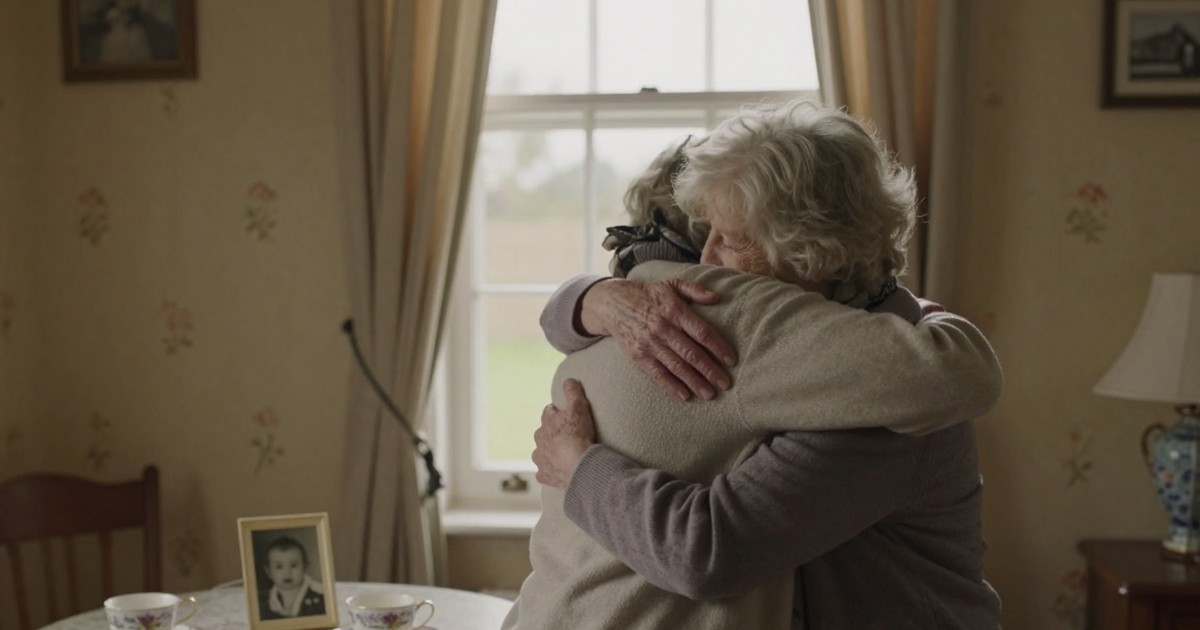
Some television programmes make you laugh. Some make you think. And every now and then, one comes along that has the whole family quietly reaching for the tissues before the first advert break. On the evening of 21 April 2011, ITV viewers met that kind of programme for the very first time. It was called Long Lost Family, and its opening episode set the tone for everything that followed.
The idea was simple and enormous at the same time: help people who had lost touch with a close relative – sometimes for a lifetime – find each other again. Fifteen years and more than a hundred episodes later, it still begins in exactly the same way: with one person, one question, and a great deal of hope.
A Show Built on Patience
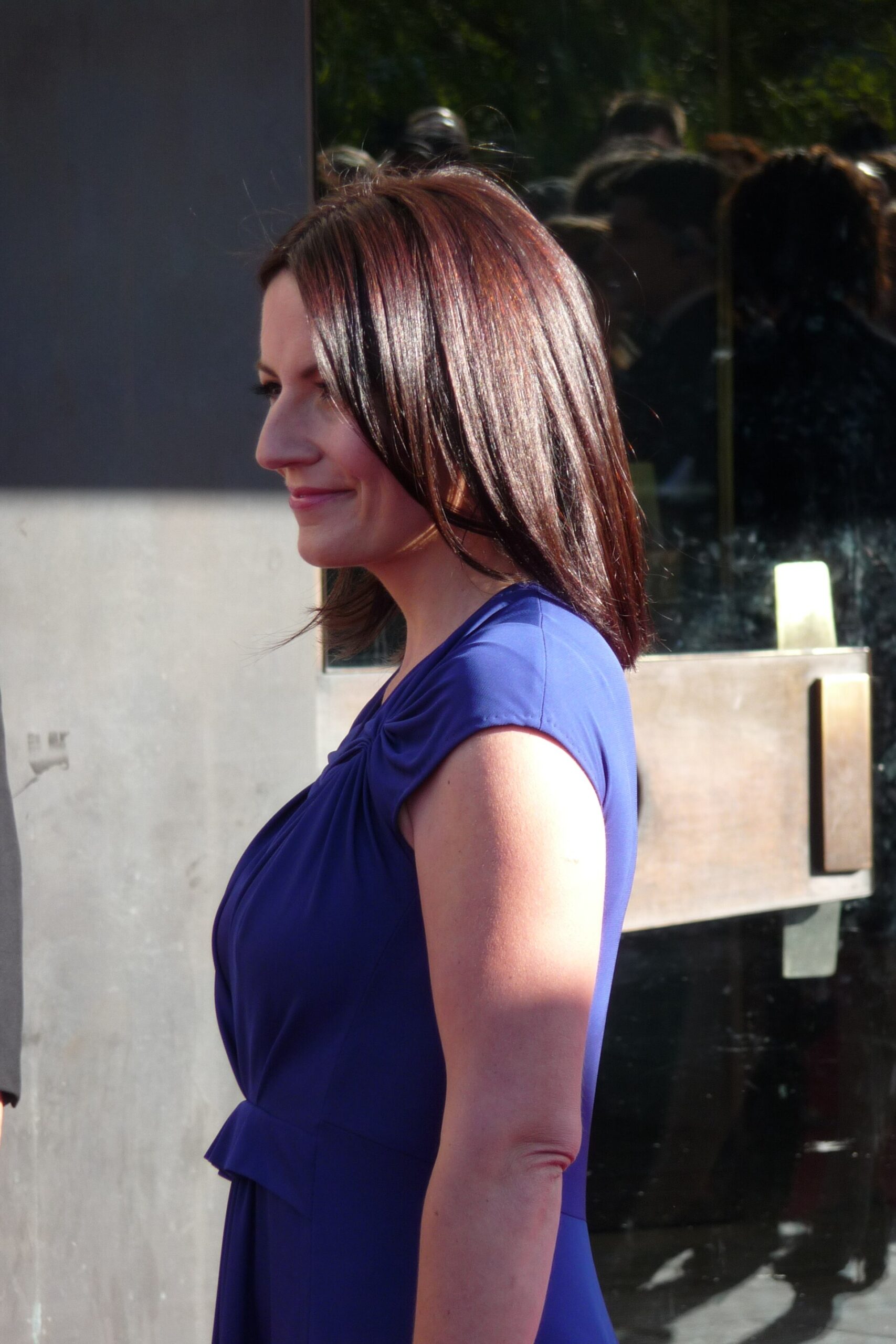
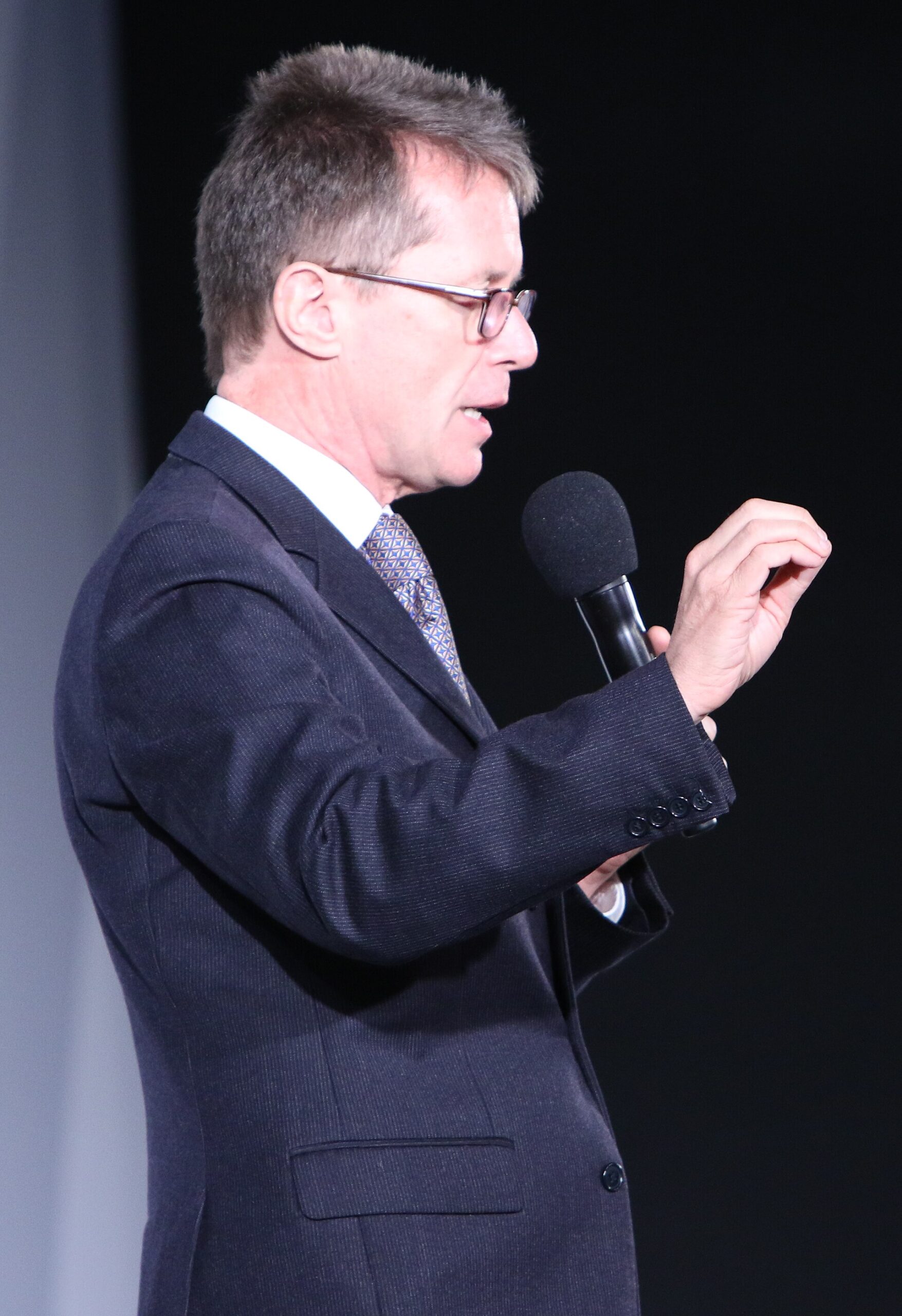
The series was presented from the very start by Davina McCall and Nicky Campbell, and made by the production company Wall to Wall. It was based on a Dutch programme called Spoorloos – “Without a Trace” – which had been reuniting families on Dutch television since 1990.
What set the British version apart was the care taken behind the scenes. The team spends months digging through archives and public records, and works with trained intermediaries who, under the Adoption and Children Act 2002, are allowed to open adoption files, trace new legal names and make the very first contact on a family’s behalf. Nobody is ambushed. Nobody is pushed in front of a camera before they are ready. That gentleness is a big part of why the show earned viewers’ trust from night one.
Jennifer’s Search for Her Twin
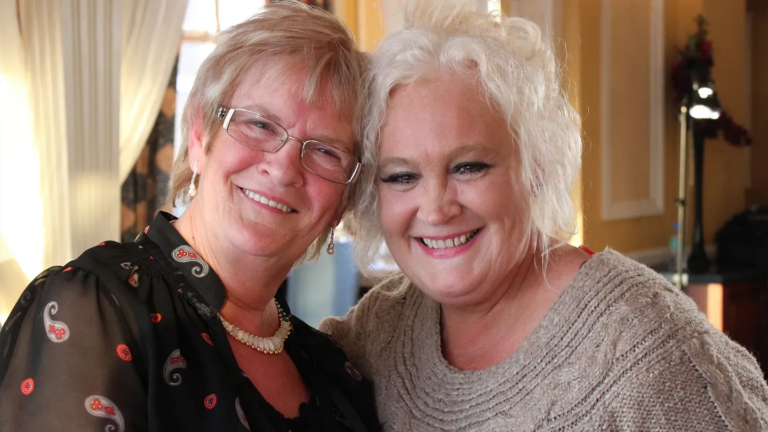
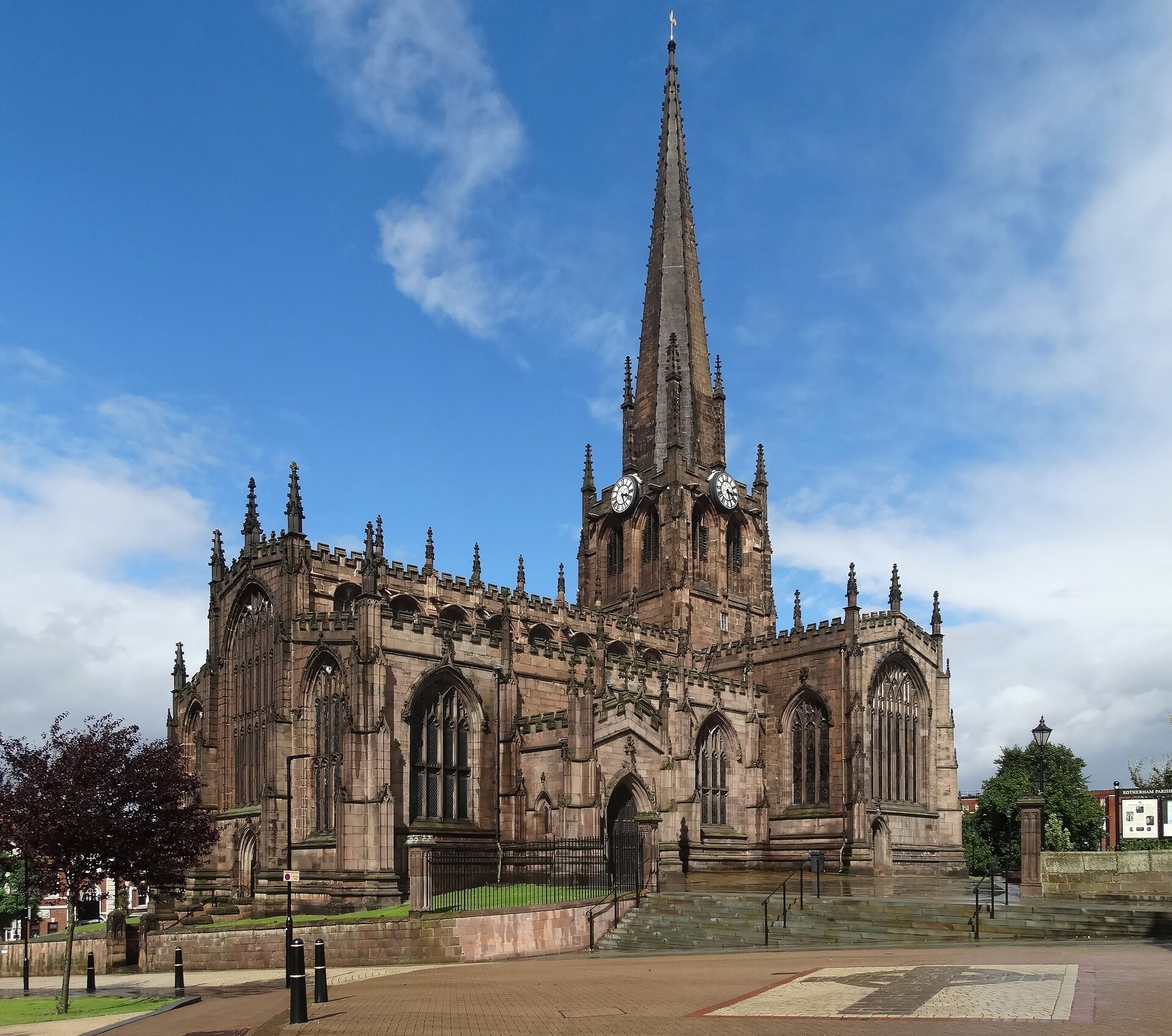
The first story belonged to Jennifer, a grandmother from Rotherham in South Yorkshire. She and her twin sister had been separated as babies and adopted by two different families. Jennifer only learned at the age of eleven that she had a twin at all – and from that day on, the missing half of her story never quite left her.
Years earlier, she had tried to trace her sister through social services, without success. So she did what many of us would do: she filled the gap with imagination. “I dreamed of one day finding my sister and, because I couldn’t find her, imagined she was in Australia,” she told reporters before the episode aired.
Australia, as it turned out, was a little wide of the mark. After four months of searching, the programme’s researchers found her twin – renamed Kathleen, or “Kath,” by her adoptive family – living in Rotherham too, roughly three miles away.
So Close, All Along
The details that came out afterwards were almost too remarkable for fiction. According to press reports at the time, the two sisters had shared the same doctor and the same dentist. Jennifer had worked for some forty years at the shop where her twin collected her prescriptions. Even their grandchildren belonged to the same local drama group.
Think of all the ordinary days those two women must have passed within a few yards of each other – a queue at the counter, a waiting room, a school play – never knowing. And then think of the moment that changed. “When I found she was ’round the corner, I felt so happy,” Jennifer said. Their new routine was the sweetest ending of all: “Now we see each other every week and pop round to each other’s home for cups of tea.”
Karen and the Secret in Her Own Home
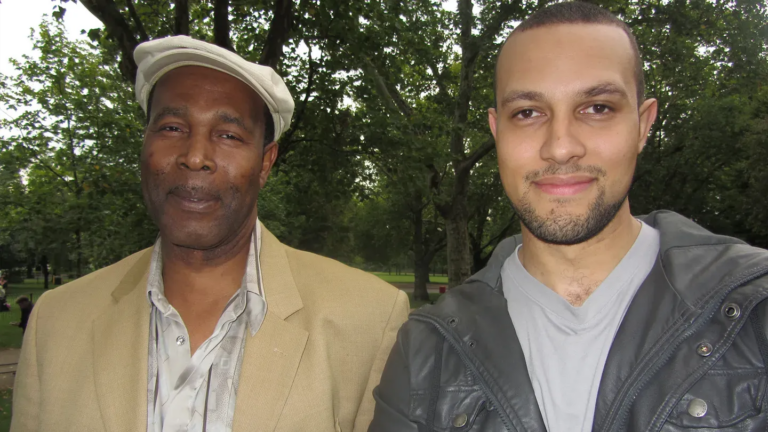
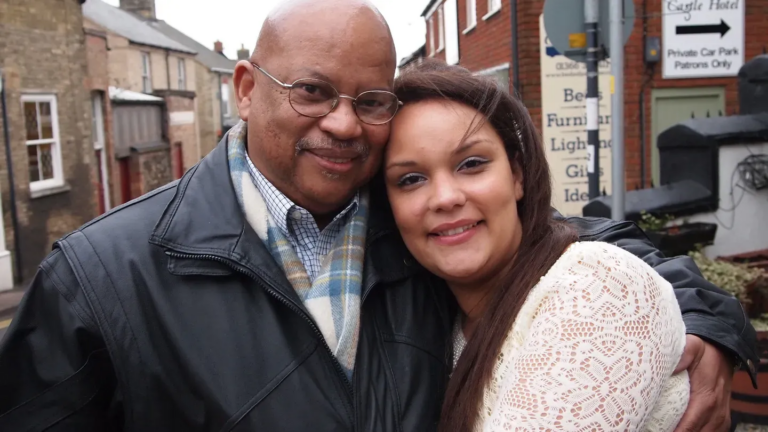
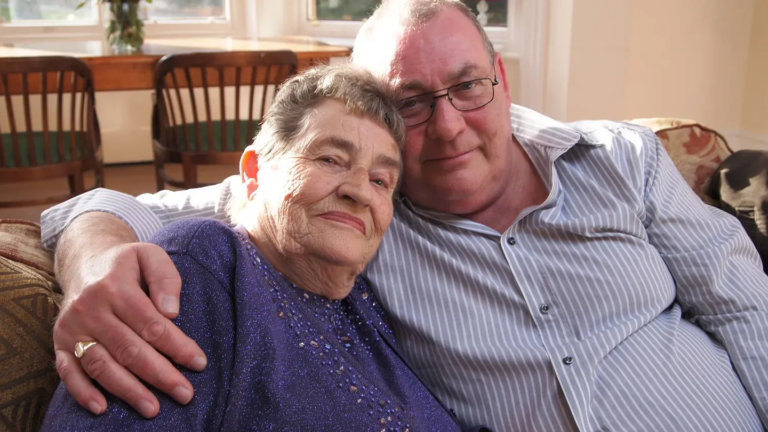
The episode’s second story was quieter, but no less moving. Karen, from Warmington in Warwickshire, was seven years old when she discovered that the woman she had always believed to be her older sister was, in fact, her mother. It was the kind of family secret that was once far more common than people like to remember – kept, as so many were, out of love, fear or the pressures of the time.
That discovery left Karen with a question she could not let go of: who was her father? She spent some twenty years trying to track him down. With the programme’s help, the search finally led across the Atlantic – all the way to Toronto, Canada.
The Reviews That Night
Not every critic was won over straight away. Writing in The Daily Telegraph, Michael Deacon gave the opener a mixed review and felt the presenters tried a little too hard to draw tears from their guests. Over at The Guardian, Lucy Mangan was warmer, praising the way the programme worked within its own limits and declaring that “Davina’s common touch remains infallible.”
Viewers, it seems, sided with the warmer view. The programme returned the following spring, and the spring after that, eventually running for fifteen series. It even grew a family of its own: Long Lost Family: What Happened Next, which began in 2014 and revisited earlier guests, and Long Lost Family: Born Without Trace, which helps foundlings search for any trace of their birth family.
Why It Still Matters
Looking back, that first episode had everything the show would become known for: patience, privacy, and two very different families finding a missing piece of themselves. It reminded a whole country that the people we are searching for are sometimes much closer than we think – occasionally, just three miles down the road.
Do you remember watching that first episode in 2011? Is there a reunion from Long Lost Family that you have never forgotten? Share your memories in the comments – we would love to hear them.
Sources
- Wikipedia: Long Lost Family (British TV series)
- TVmaze: Long Lost Family 1×01
- UPI (13 April 2011): Long-lost twins lived 3 miles apart
- PBS: Long Lost Family, Episode 1